








Navigating New Energy Standards with the iPhone 18 Pro Max
The release of the iPhone 18 Pro Max marks a significant milestone in mobile hardware, primarily defined by a substantial increase in battery capacity. This shift toward extended battery life, however, brings the device into direct contact with international aviation and maritime safety regulations regarding lithium-ion batteries. In response, Apple has implemented a sophisticated battery-firmware architecture to navigate these complex legal frameworks, ensuring that its most powerful handheld device can be transported globally without violating safety protocols.
At the core of this challenge is the 20 watt-hour (Wh) threshold. International regulations governing the transport of dangerous goods—specifically those concerning high-density energy storage—classify batteries exceeding 20 Wh as requiring more rigorous safety documentation and handling procedures. By designing the iPhone 18 Pro Max with a capacity that exceeds this limit, Apple has reached a new frontier in consumer power density. To maintain compliance, the company has integrated a firmware-based containment strategy that treats the battery as a variable component rather than a static piece of hardware.
The Mechanics of Firmware-Locked Capacity
To ensure the iPhone 18 Pro Max meets international transit standards, Apple utilizes a specialized firmware layer that acts as a gatekeeper for the battery’s chemical potential. From the point of manufacture through the supply chain, the device is restricted from accessing its full energy capacity. This firmware effectively caps the available charge below the 20 Wh mark, ensuring that every unit leaving the factory is considered safe for standard transit protocols.
This is not a permanent hardware limitation, but a software-defined state that is neutralized the moment a user completes the activation process. Upon setup, the onboard operating system detects the device’s authorization status and releases the firmware lock. This intelligent implementation allows Apple to ship the device as a low-energy product during transit, while unlocking the intended performance capacity once the phone is in the hands of the end-user. This approach demonstrates a clever fusion of hardware-level power management and software security.
The Prepare to Ship Feature for Consumers
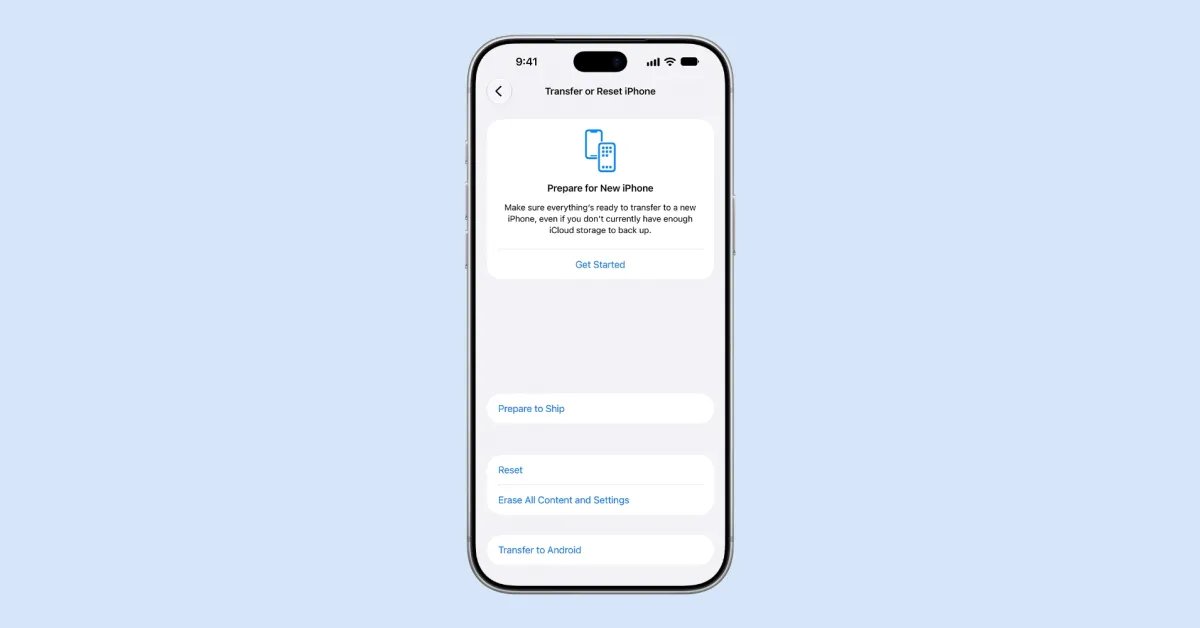
The regulatory burden does not end at the factory gates. Because the regulations apply to any entity moving the device, individual owners who wish to trade in, sell, return, or send their phone for repairs face the same shipping hurdles as the manufacturer. To prevent users from inadvertently violating aviation safety rules, Apple has introduced a native utility within the Settings app specifically for this purpose: “Prepare to Ship.”
When initiated, this feature forces the device to enter a state of discharge until its stored energy falls safely below the 20 Wh threshold. Because this process is managed by the system, it ensures that the discharge is steady and monitored. Users may notice their device becoming warmer during this process, as the energy is dissipated through the internal circuitry. The system proactively manages this thermal output, signaling to the user when the procedure is complete and the device is ready for logistics carriers. Once the discharge is finished, the device enters a state where it is effectively “deactivated” from a transit perspective, preventing the battery from recharging back above the threshold until the next cycle of use is established.
Logistical and Practical Implications
This transition highlights a growing trend in consumer electronics where software controls are becoming as essential as hardware design for regulatory compliance. As energy densities in mobile devices continue to push the boundaries of what is acceptable for common carrier transport, the distinction between a device’s maximum potential and its shipping state will likely become a standard industry feature.
For the user, the integration of “Prepare to Ship” within the General settings menu provides a transparent way to handle a process that was previously misunderstood or ignored by many consumers. By centralizing this in the “Transfer or Reset iPhone” menu, Apple has ensured that users who are preparing their devices for secondary markets or technical support are automatically guided toward compliance. If a user chooses to erase their iPhone during this process, the firmware-led discharge continues, providing a secure and compliant transition for the device’s lifecycle.
The Evolution of Battery Management
The iPhone 18 Pro Max serves as a case study for future mobile device engineering. By overcoming the friction between high-performance hardware and strict safety legislation through firmware, Apple has managed to deliver a larger battery without compromising the simplicity of the user experience. This design choice sets a precedent for how manufacturers might handle future advancements in battery technology.
While the requirement to discharge a phone before shipment might seem an unusual step for casual users, it is a necessary evolution. As power demands increase, the infrastructure supporting the delivery of these devices must keep pace. The “Prepare to Ship” function is more than a mere utility; it is a vital component of the device’s operational life, ensuring that the innovation contained within the iPhone 18 Pro Max reaches customers safely, regardless of where they are located in the world. As technology continues to push towards higher capacity, this firmware-managed safety approach will likely become an integral part of the standard mobile architecture.
Disclaimer: This content is auto-generated for informational purposes only.
Source: Read Original News