







NSA Ajit Doval Recalls Early Career Near-Miss During Sikkim Merger
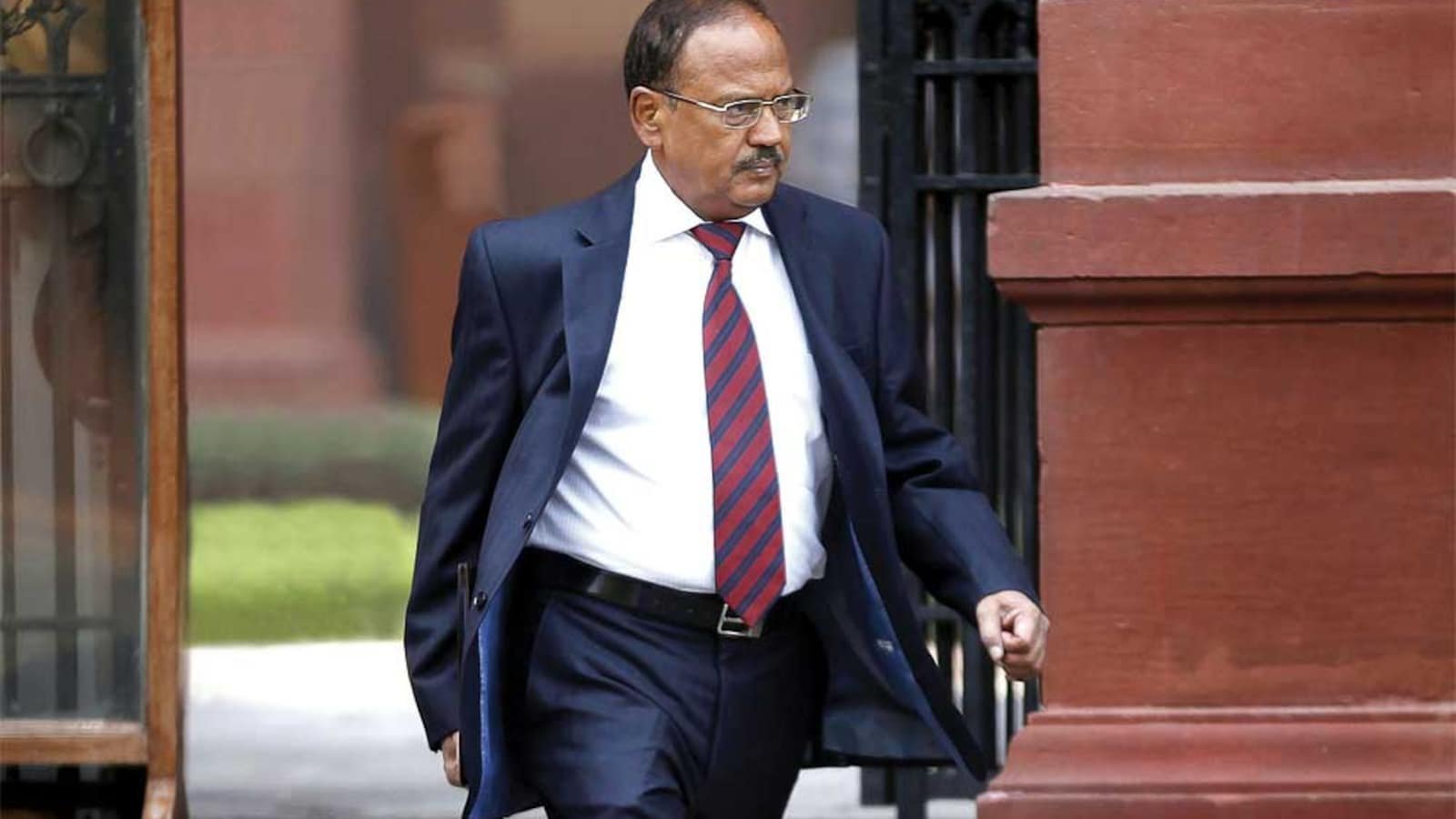
National Security Adviser (NSA) Ajit Doval offered a rare and candid glimpse into the high-stakes environment of intelligence gathering during his formative years. Speaking at the convocation ceremony of the Indian Institute of Technology (IIT) Roorkee, Doval recounted a harrowing episode from his time as a young Indian Police Service (IPS) officer in the 1970s, which he once believed would mark the definitive end of his professional career.
A Tense Assignment in the Himalayas
In the early days of his career, when he was in his twenties, Doval was tasked with overseeing intelligence operations in Sikkim. This period was historically significant, as the Himalayan kingdom was transitioning from a protectorate state to becoming the 22nd state of the Indian Union in 1975.
Part of his mandate included monitoring the border areas and gathering critical intelligence regarding the maneuvers and strategic activities of the Chinese People’s Liberation Army (PLA). The geopolitical climate was exceptionally volatile, and the risks associated with cross-border operations were immense.
The Disappearing Team
During one particular mission, Doval dispatched an intelligence team across the border with a clear timeline for their return. However, the mission deviated from the schedule. As days stretched into weeks, the silence from the border became a source of profound distress for the young officer.
“Five days went by, then ten days went by, then perhaps 15 days went by,” Doval shared with the students. He described the emotional and professional toll, noting that the uncertainty regarding the fate of the team members—whether they were alive or dead—was an immense burden to carry.
Caught Behind Enemy Lines
The mystery was eventually solved by a call from his superiors, who delivered the sobering news: the team had been captured by Chinese forces. Following a period of interrogation, the team members were eventually released and returned to Indian soil in a state of exhaustion and distress.
The incident triggered a formal government inquiry to determine how the mission had failed and who was responsible for the intelligence lapse. Doval, convinced that the incident would be the downfall of his career, braced for the worst. “I knew that this was the end of my career,” he confessed. “I saw the incident as something very unprofessional.”
Vindication and Lessons Learned
As the inquiry unfolded, Doval was ultimately cleared of any wrongdoing. The investigation revealed that the failures were not due to operational incompetence on his part, but rather stemmed from faulty maps and inaccurate sketches provided by his own headquarters.
Looking back on the incident, the experience served as a sobering lesson for the man who would eventually become India’s top security strategist. It reinforced the importance of precision, the fragility of international relations, and the heavy human cost of intelligence work in border regions. Doval’s account serves as a reminder of the quiet, often perilous work that occurred behind the scenes during the critical years of India’s integration of Sikkim.
Disclaimer: This content is auto-generated for informational purposes only.
Source: Read Original News