






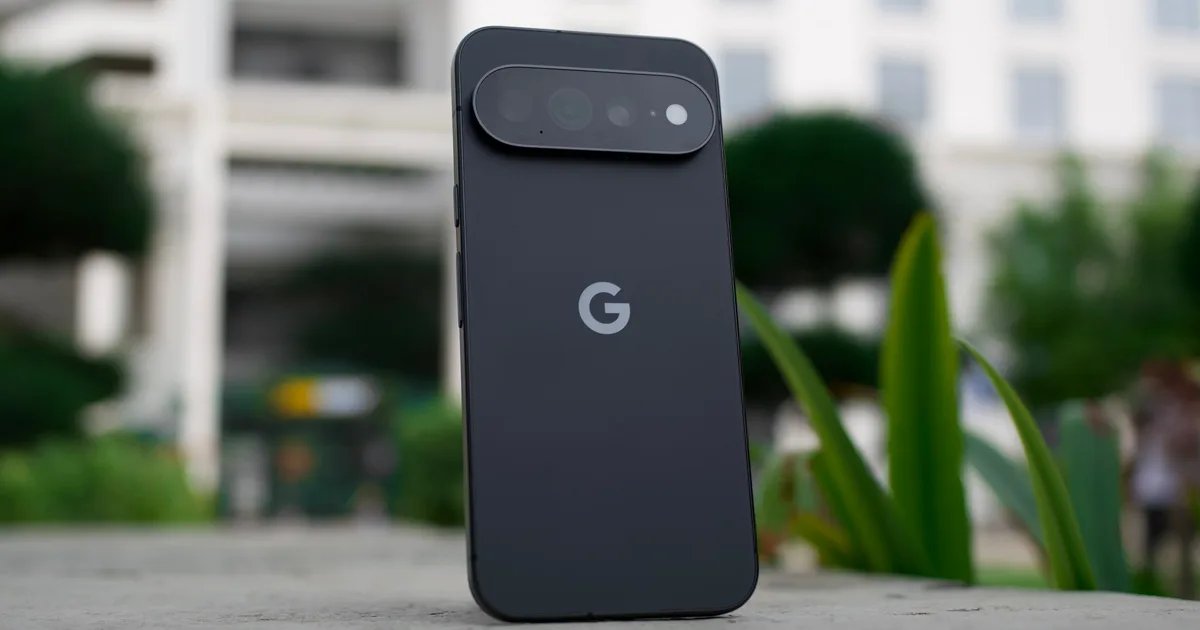
The smartphone landscape in 2026 presents a challenging environment for any new flagship. With the Google Pixel 11 Pro entering the market at a starting price of $1,099, consumers are faced with a dense field of high-end competition. While Google has introduced meaningful refinements—such as faster Night Sight processing, granular control via Camera Looks, and the utility of Magic Capture—the decision to purchase depends heavily on whether one prioritizes computational photography and AI integration over raw power or niche hardware form factors.
Apple iPhone 18 Pro: The Performance Contender
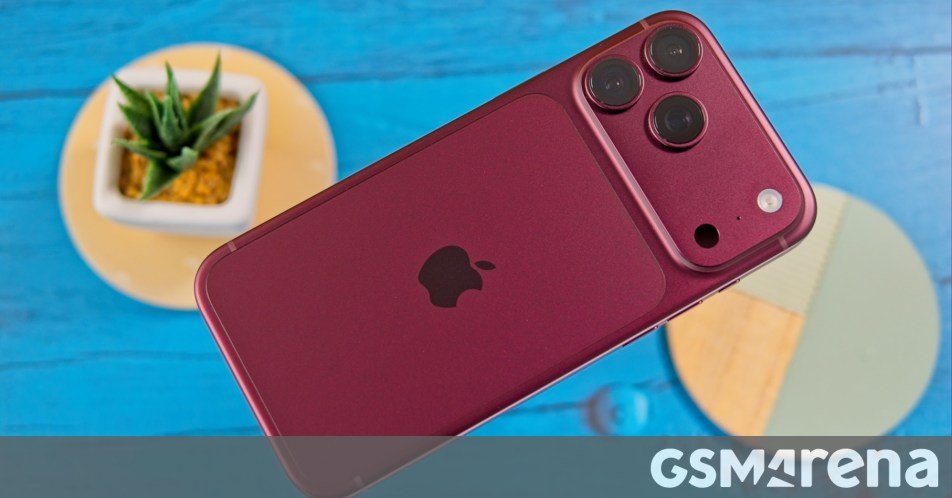
If a user is already prepared to spend over $1,000, the iPhone 18 Pro becomes a formidable alternative. For an additional $100, Apple offers the A20 Pro chip, which consistently outperforms Google’s Tensor architecture in sustained workloads and gaming. The hardware package is equally aggressive, featuring a 48MP main camera with a physical variable aperture that allows users to toggle between f/1.48 and f/4. This level of hardware-level control, combined with the integration of manual histogram adjustments and shutter speed settings directly in the camera interface, positions the iPhone 18 Pro as a primary tool for content creators. While the Pixel 11 Pro leads in unique computational aesthetics, the iPhone 18 Pro is the superior choice for those requiring sheer technical performance and industry-standard video capabilities.
Apple iPhone 17: Balancing Value and Necessity
For the average consumer, the base iPhone 17 offers a more balanced value proposition. It retains many flagship-tier features, including a 6.3-inch 120Hz ProMotion display and the capable A19 processor. Crucially, Apple has moved its latest intelligence features—including advanced personal-context searches and cross-app automation—to the non-Pro models this year. While the device lacks a dedicated telephoto lens, the high-quality 48MP main and ultrawide sensors cover the vast majority of daily use cases. With strong battery life and the convenience of the MagSafe ecosystem, the iPhone 17 remains a practical, cost-effective choice for those heavily invested in the Apple ecosystem who do not require specific professional-grade photography hardware.
Samsung Galaxy S26: Customization for Android Power Users
The Galaxy S26 stands as a compelling compact flagship for those who find the Google Pixel software experience too restrictive. Weighing only 167 grams, it provides a portable design without compromising on core hardware, such as a dedicated 3x telephoto lens and a 120Hz AMOLED panel. The true differentiator here is the software experience; One UI 9 offers extensive system-wide customization, DeX support, and the deep utility of the Good Lock suite. Despite the camera hardware falling slightly behind the latest advancements in computational imaging, the S26 is a refined, reliable device. At $899, it provides a $200 saving over the Pixel 11 Pro, making it an attractive entry point for users who prioritize software personality and multitasking features over proprietary AI camera tricks.
The Folding Alternatives: Samsung and Motorola
The market for folding devices has reached a point where flagship-tier internal components are now available in the clamshell form factor. The Samsung Galaxy Z Flip 8, priced at $1,199.99, offers a 6.9-inch internal display and a versatile 4.1-inch external FlexWindow. By supporting native app execution on the cover screen, Samsung has moved beyond mere notification management, allowing users to perform complex tasks without opening the device.
For those who desire the folding experience at a more accessible price point, the Motorola Razr 2026 is a standout at $799.99. It includes a large 4,800mAh battery and a generous 3.6-inch cover display. While the Dimensity 7450X chip and a shorter software support window (three OS upgrades) place it in a lower performance tier than the Galaxy Z Flip 8 or Pixel 11 Pro, its durability certifications and price make it a strong candidate for those prioritizing novelty and ergonomics over long-term software longevity.
The Persistent Case for the Pixel 11 Pro
Despite the stiff competition, the Pixel 11 Pro maintains a specific appeal. It remains one of the most intelligent devices on the market, with the Tensor G6 chip enabling features that simplify complex photographic tasks. Tools like HiLight and the improved speed of Night Sight demonstrate a commitment to user-centric convenience that is difficult to replicate with traditional hardware specs.
Choosing between these devices ultimately comes down to a prioritized list of needs. The iPhone 18 Pro is for the power user and creator, the iPhone 17 for the mainstream user, and the Galaxy S26 for those who demand deep system customization. The folding devices from Samsung and Motorola offer unique hardware utility that the standard slab design of the Pixel cannot match. However, for those who appreciate a balanced, premium build coupled with a distinctively intelligent software experience, the Pixel 11 Pro continues to hold its ground as a refined, highly capable flagship.
Disclaimer: This content is auto-generated for informational purposes only.
Source: Read Original News