







The Critical Role of Airport Infrastructure in Modern Aviation
In the contemporary aviation landscape, the success of a flag carrier is increasingly tied to the operational efficiency of its primary hub. While airlines focus heavily on fleet modernization, seat configurations, and onboard catering, the ground experience often dictates the overall perception of the service. Philippine Airlines, which is currently undergoing a period of significant international growth, faces a substantial challenge at its Manila Airport (MNL) hub. For an airline aiming to compete on a global scale, the transit experience—the bridge between one flight and the next—must be seamless. However, reports from recent transits suggest that infrastructure gaps at Terminal 1 are creating significant friction points for international travelers, threatening the airline’s efforts to improve its global standing.
Bottlenecks at Security and Transit Checkpoints
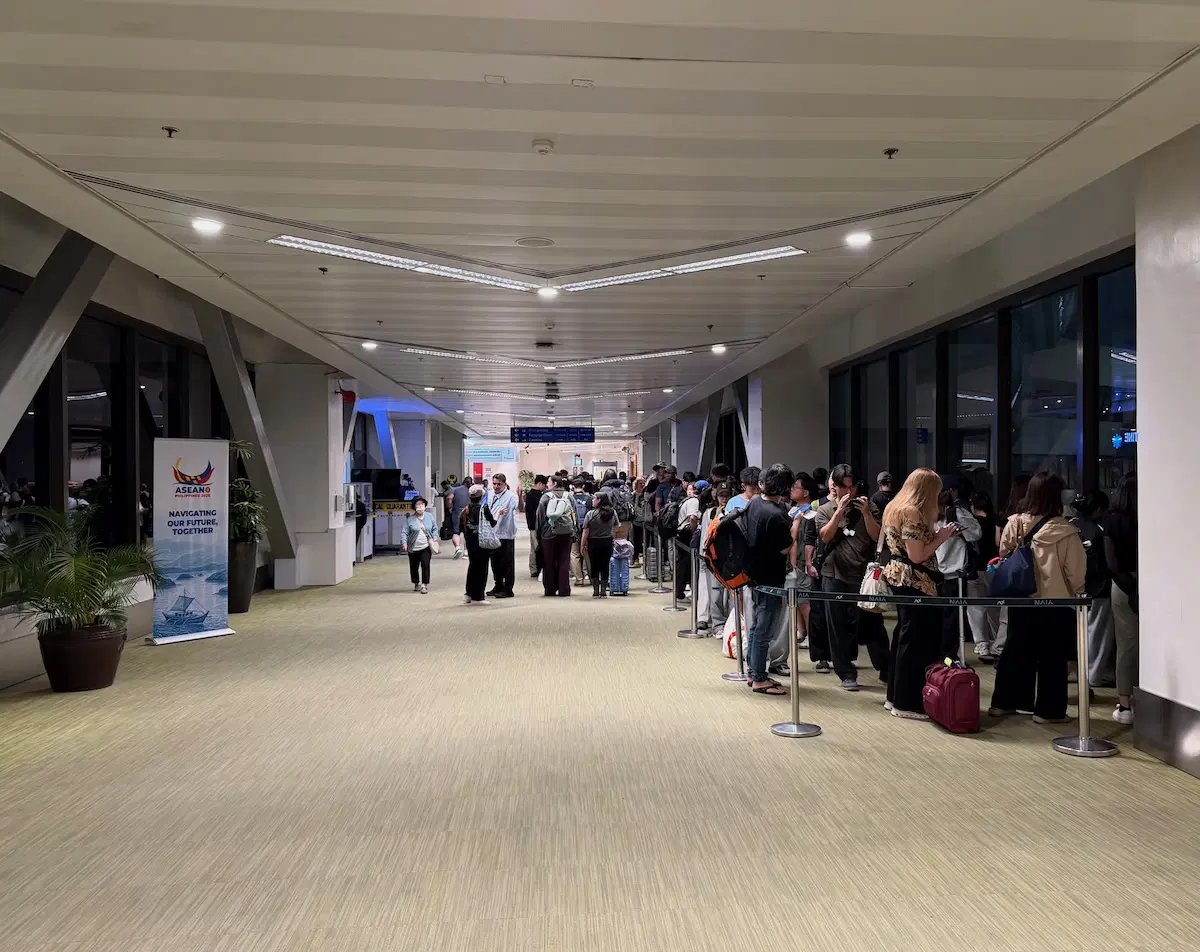
The primary failure point for transit passengers at Manila Airport is the international security screening process. As passenger volumes increase, the reliance on outdated or insufficient screening hardware becomes a severe impediment to flow. Observations indicate that transit security is often bottlenecked by a minimal number of operational scanners and metal detectors. A single checkpoint for a high volume of arriving international passengers creates significant wait times, frequently exceeding 40 minutes.
From an operational technology perspective, this creates a “last-mile” problem for the passenger experience. When transit passengers are forced to endure long, manual queues after deplaning, the perceived value of their premium cabin ticket diminishes. Furthermore, the reliance on manual labor, such as navigating physical staircases instead of automated accessibility systems like ramps or elevators, highlights a legacy infrastructure design that is no longer compatible with modern passenger demographics, particularly for those requiring mobility assistance.
Lounge Accessibility and Digital Infrastructure Challenges
A critical component of a premium airline product is its lounge facilities, which serve as a sanctuary for transit passengers. At Manila Airport, the challenge begins with wayfinding. Inadequate signage leads to confusion, as passengers struggle to navigate toward the airline’s proprietary space amidst generic, poorly marked concourses. Once inside, the physical environment often suffers from overcrowding, which is a common byproduct of high-density hub operations.
However, the most technical and perplexing issue lies in the lounge’s digital infrastructure. Reports suggest that the Wi-Fi network within the lounge exhibits compatibility failures, specifically with laptops configured for international networks. The admission that local network architecture cannot facilitate basic connectivity for foreign-registered hardware suggests a fundamental flaw in the configuration of the facility’s local area network (LAN) and firewall settings. In an age where business travelers view high-speed, reliable internet as a utility rather than a luxury, such technical failures are difficult to justify. This serves as a reminder that robust digital infrastructure—specifically properly configured WPA3 protocols and enterprise-grade DNS settings—is as essential to an airport lounge as comfortable seating or catering.
Acoustic Management and the Need for Automated Updates
While physical and digital connectivity are vital, the sensory experience within a lounge is equally important. Many legacy lounges suffer from an over-reliance on manual public address (PA) systems. At the Philippine Airlines Mabuhay lounge, the frequency of boarding announcements creates an environment that disrupts rest and productivity. Modern aviation hubs are increasingly shifting toward “quiet lounge” policies, where PA systems are reserved for emergencies, and boarding updates are managed via personal notifications or silent flight information displays (FIDs).
The use of repetitive, wordy announcements not only degrades the atmosphere but also signals an outdated approach to passenger communication. For an airline looking to scale its digital footprint, automating these status updates—potentially through mobile app integration or real-time digital signage synchronization—would be a logical step forward. Relying on an attendant to recite boarding information multiple times is an inefficient use of human capital and detracts from the professional environment that premium passengers expect.
The Gap Between Passenger Expectations and Ground Reality
The discrepancy between the airline’s ambitions and the ground infrastructure at Manila creates a negative feedback loop. Even when an airline invests in high-quality hardware, such as the upcoming Airbus A350-1000 fleet, the reputation of the carrier is often anchored to the ground-based components of the journey. When passengers are asked to provide feedback via QR-coded surveys regarding Wi-Fi reliability and lounge ambiance, the airline is effectively soliciting data on its most glaring operational weaknesses.
For the aviation industry, the lesson is clear: investment must be holistic. If a hub airport cannot support the throughput or the technical requirements of a modern fleet, the premium passenger experience will continue to lag behind expectations, regardless of the quality of the aircraft cabin. To move forward, stakeholders must prioritize the modernization of terminal security workflows, address the technical shortcomings of communal digital networks, and embrace more sophisticated, less intrusive communication methods. Until these fundamental pillars of the passenger journey are modernized, even the most consistent flight service will struggle to overcome the negative impact of an inefficient ground experience.
Disclaimer: This content is auto-generated for informational purposes only.
Source: Read Original News