








The Philosophy of Long-Term Value Creation
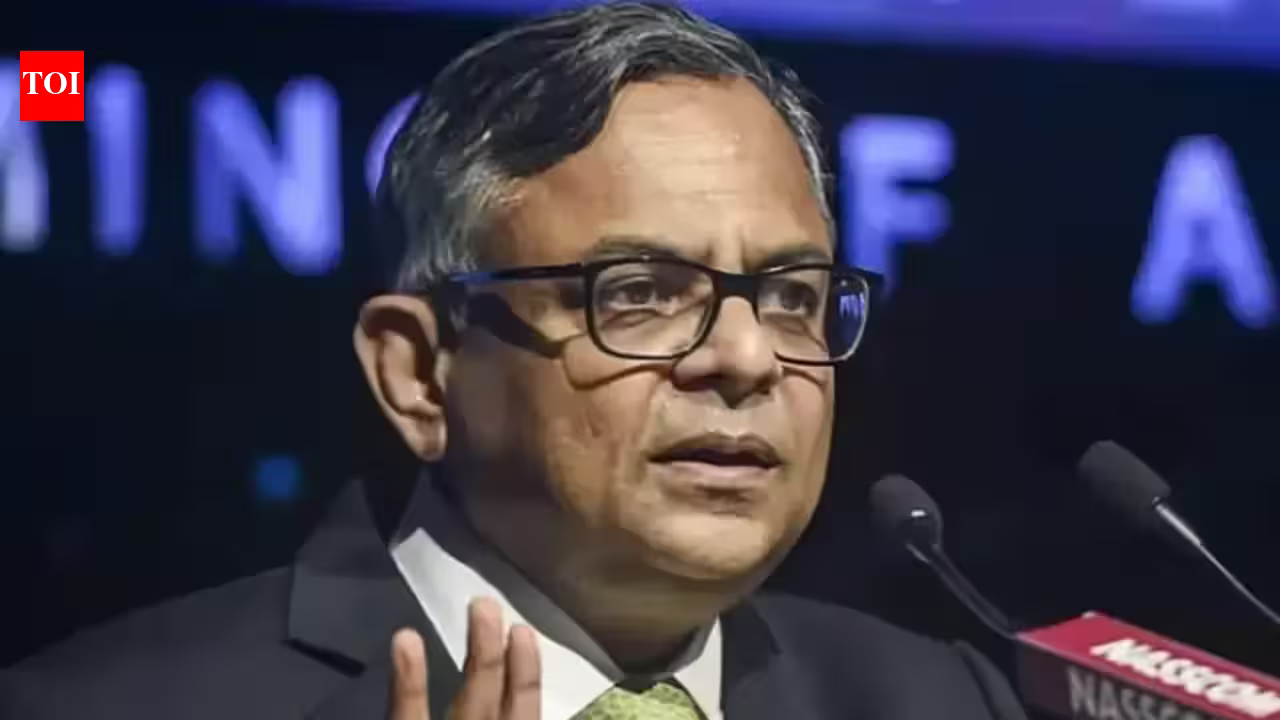
The recent address by N Chandrasekaran, Chairman of Tata Sons, at SAI University serves as a poignant reminder of the core tenets required to lead in a complex, fast-paced global economy. By equating professional success with a marathon rather than a sprint, Chandrasekaran highlights a fundamental shift in how leadership should be perceived in the contemporary era. In the Indian context, where the hunger for rapid growth often leads to premature scaling and a focus on short-term gains, his perspective provides a necessary corrective.
Building a business or a career is rarely about immediate victory. Instead, it involves a iterative process of self-improvement, resilience, and strategic patience. The Tata Group, under his leadership, has exemplified this through its disciplined approach to diversification and digital transformation. For professionals and entrepreneurs, the lesson is clear: the race is not against market competitors, but against the limitations of one’s own capabilities. By focusing on incremental progress, leaders can ensure that their organizations are built on a solid foundation capable of weathering market cycles, rather than merely burning through capital in pursuit of fleeting market share.
Navigating the AI-Driven Economic Paradigm
Chandrasekaran’s commentary on the role of artificial intelligence acknowledges the growing anxiety within the workforce regarding technological displacement. However, his outlook is distinctly bullish, positioning the current phase of industrial transformation as a precursor to immense opportunity. While headlines often focus on the disruptive potential of AI in terms of job loss, the reality is that such technologies are lowering the barrier to entry for innovation.
The Indian IT and manufacturing sectors are currently at a crossroads. As AI automates routine cognitive tasks, the value of human labor is shifting toward complex problem-solving, creative synthesis, and ethical oversight. The assertion that new industries will emerge within the next five years—industries for which we currently lack even the vocabulary—is a reminder of how quickly the market landscape shifts. To thrive in this environment, Indian businesses must move beyond traditional operational models. The emphasis must shift toward upskilling the workforce to act as architects of AI systems rather than mere users, ensuring that the country’s demographic dividend is fully utilized to lead the global digital transition.
India’s Unique Economic Trajectory
The Indian economy is currently navigating a period of growth that is largely unparalleled, both in the nation’s post-independence history and in the current global climate. Chandrasekaran’s optimism regarding India’s position is shared by many global observers who note the country’s focus on infrastructure development, digital public goods, and a burgeoning entrepreneurial ecosystem.
For domestic businesses, this presents a unique set of demands. As the nation scales, organizations must balance the urge to accelerate with the necessity of sustainability. The “marathon” approach is particularly relevant here; as India seeks to become a global hub for manufacturing and services, the focus must remain on quality, research, and long-term viability. The integration of traditional business wisdom with cutting-edge technology will likely determine which firms emerge as global leaders. The maturity displayed by India’s leadership, both in the public and private sectors, is essential for maintaining this momentum without falling into the trap of over-leverage or reckless expansion.
The Privilege of Professional Pressure
One of the most insightful components of Chandrasekaran’s address is his reframing of stress. By quoting tennis legend Billie Jean King—”to earn the right to feel the pressure is a privilege”—he flips the conventional narrative on workplace stress. In the competitive Indian corporate landscape, pressure is often viewed as a negative byproduct of high-stakes work. However, viewed through the lens of privilege, pressure becomes a metric of impact.
Those who are entrusted with significant responsibilities, whether in launching a startup, managing large-scale infrastructure, or leading digital transformations, are the ones who encounter this pressure. When individuals choose to view this weight as a sign of their importance in the broader ecosystem, they move from a state of reactive stress to proactive engagement. This mindset is crucial for the next generation of Indian leaders who will be tasked with managing complex, globalized enterprises. It encourages a culture of accountability and resilience, where individuals are equipped to embrace challenges rather than retreat from them.
Strategic Learning and Information Consumption
In an age characterized by information overload, the discipline required to curate one’s inputs has become a key competitive advantage. Chandrasekaran’s advice to students regarding the intentional use of social media and information consumption highlights the necessity of intellectual self-regulation. In the digital age, a professional’s output is only as good as the quality of the information they consume.
For the Indian workforce, which spends a significant amount of time engaged with global digital platforms, the ability to discern high-value insights from background noise is paramount. Leaders who are capable of synthesizing diverse viewpoints, while remaining focused on their strategic goals, are better positioned to steer their organizations through periods of volatility. By advocating for a conscious approach to learning, the Tata Sons chairman emphasizes that self-education does not end with a degree. Instead, it is a life-long requirement for those who aim to influence the direction of their respective fields.
Building for the Future
Ultimately, the message delivered at SAI University serves as a blueprint for long-term excellence. For India to realize its potential as an economic powerhouse, its corporate culture must foster a blend of patience, technological agility, and a balanced psychological approach to competition.
The focus on becoming “better by the day” is a strategic imperative. Organizations that build their cultures around this philosophy are better equipped to retain talent, iterate on their products, and eventually dominate their sectors. As India continues to integrate into the global supply chain and the digital future, the wisdom of the marathon runner—who understands the importance of pace, preparation, and perseverance—will remain the most reliable guide for navigating the complexities of the 21st-century marketplace. By aligning their individual career trajectories with this long-term vision, the youth of India will ensure not only their personal success but the sustained prosperity of the nation as a whole.
Disclaimer: This content is auto-generated for informational purposes only.
Source: Read Original News