







TEHRAN – Iran’s top security official announced on Sunday that Tehran has formally submitted a set of conditions for ending the ongoing regional conflict to the United States via Qatari mediators. The move marks a significant, albeit fragile, shift in diplomatic posturing as tensions across the Middle East reach a boiling point.
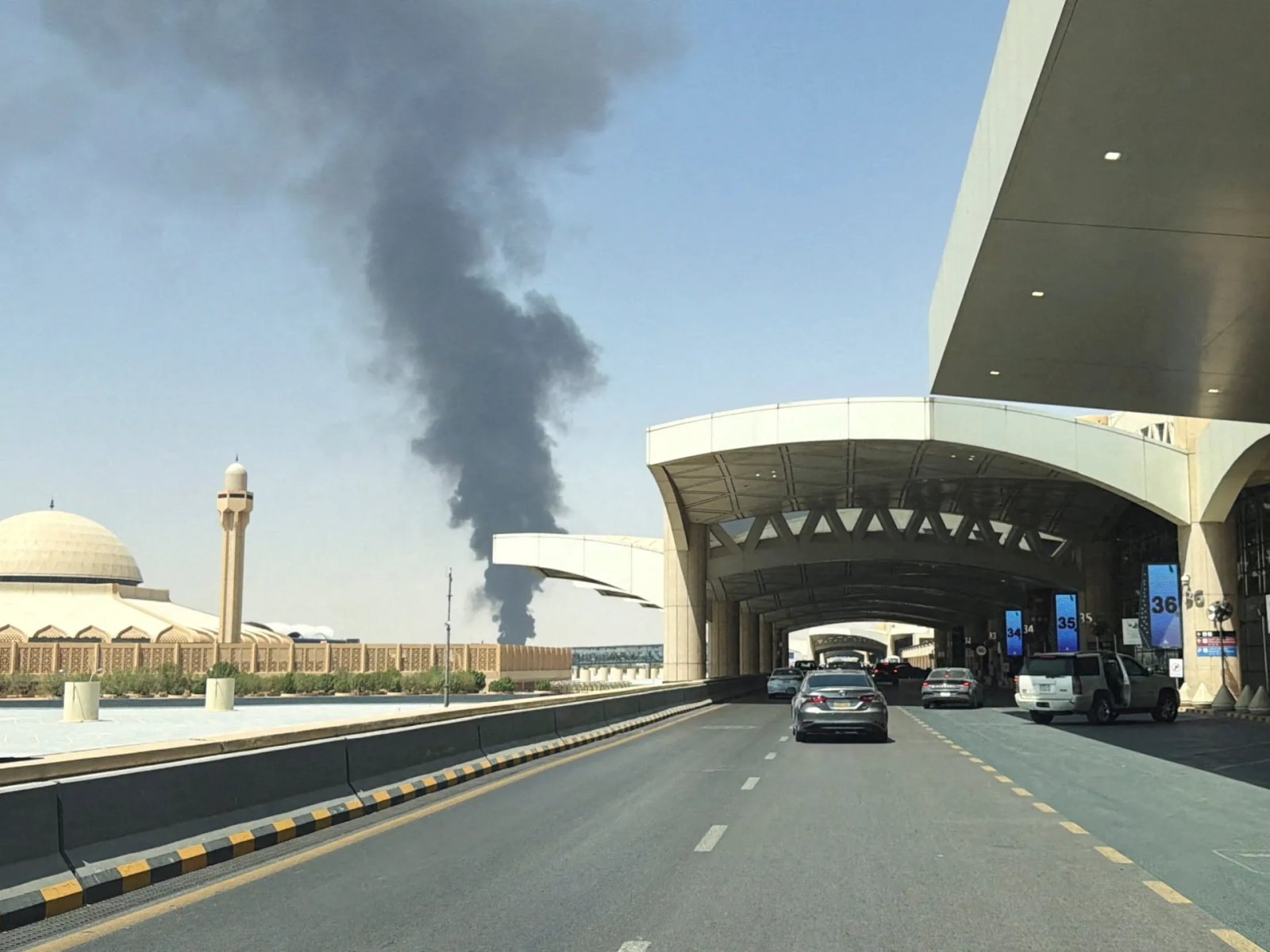
The announcement came on a day of heightened volatility, as Saudi Arabian military forces reported they had successfully intercepted an aerial attack targeting the capital, Riyadh. The strike, which Saudi officials attributed to Houthi rebels, was thwarted by advanced air defense systems, preventing casualties or significant infrastructure damage.
The coincidence of the proposed peace terms and the foiled drone assault has left regional analysts scrambling to interpret the Iranian leadership’s dual-track approach. While Tehran has publicly urged a de-escalation of hostilities, the continued activity of its regional proxies remains a major point of friction for international negotiators.
“We have relayed our framework for a sustainable end to the current hostilities to our American counterparts through our Qatari partners,” the top Iranian security official stated in a brief press release. While the specifics of the proposal remain classified, sources familiar with the matter suggest that Tehran is seeking a comprehensive regional security arrangement, a cessation of foreign intervention, and the lifting of economic sanctions in exchange for strict limitations on regional proxy operations.
The United States has yet to provide a formal response, though Washington has consistently maintained that it will not engage in direct negotiations while the regional escalation continues. For their part, Qatari officials, who have played a central role in mediating high-stakes dialogues in recent years, have confirmed their role in the exchange but refused to comment on the viability of the Iranian proposals.
In Riyadh, the atmosphere remains defensive. The attempted attack on the capital—the latest in a series of escalations—has bolstered the Saudi government’s stance that any peace deal must include ironclad guarantees against ballistic and drone strikes. “The Kingdom remains committed to regional stability, but our primary duty is the protection of our territory and our citizens,” a Saudi government spokesperson noted shortly after the incident.
The dual developments illustrate the complex web of interests currently pulling the Middle East in opposing directions. As diplomatic backchannels grow increasingly active, the reality on the ground—characterized by frequent interceptions and continued military mobilization—suggests that a breakthrough remains elusive.
International observers are closely monitoring the response from Washington. Should the U.S. find the terms worth pursuing, it could initiate the most significant diplomatic shift in the region since the conflict’s latest cycle of violence began. However, if the current pace of proxy attacks continues, the window for a negotiated settlement may rapidly close, leaving the region on the precipice of further instability.
Disclaimer: This content is auto-generated for informational purposes only.
Source: Read Original News