







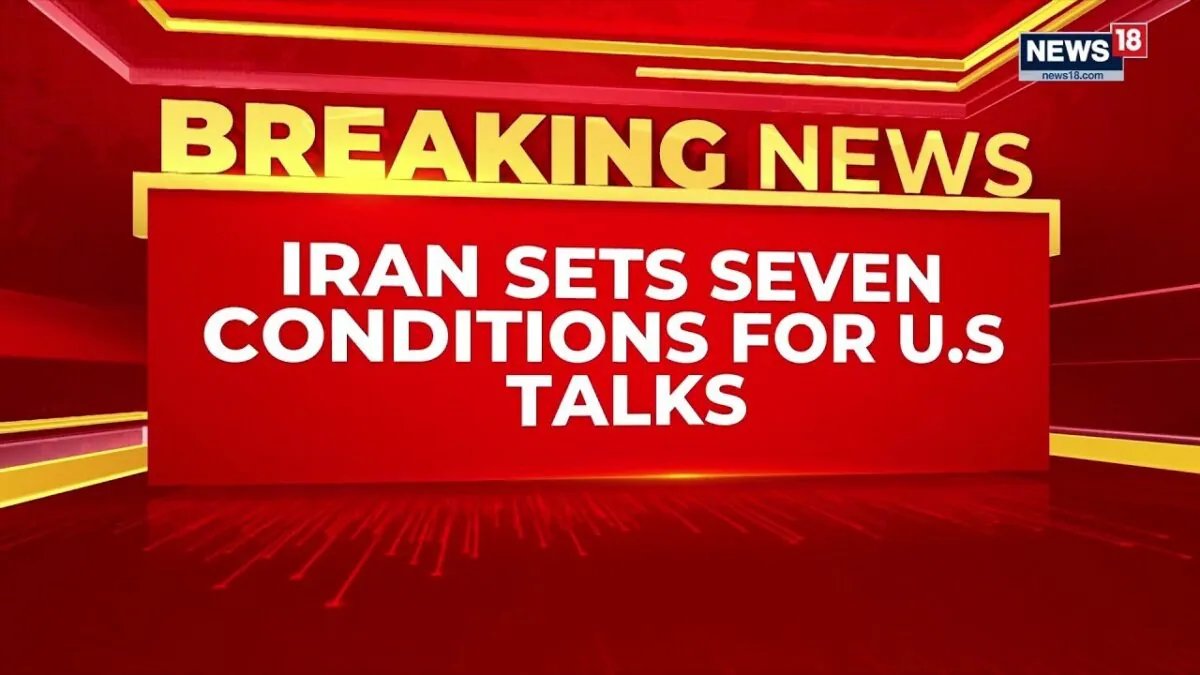
TEHRAN — In a sudden development that could signal a critical turning point in the escalating conflict, Iran has formally presented a list of seven conditions to the United States for a potential ceasefire. The ultimatum was conveyed via Qatari mediators, according to Mohsen Rezaei, secretary of Iran’s Supreme National Security Council, as the world watches for a response from the White House.
Rezaei confirmed that the demands have been delivered directly to Washington, placing the ball squarely in U.S. President Donald Trump’s court. While the full list remains under review by diplomatic channels, Rezaei publicly outlined three primary pillars for the proposed negotiations: a total cessation of hostilities across all active fronts, the immediate release of frozen Iranian financial assets, and the lifting of the ongoing naval blockade that has severely restricted the nation’s commercial shipping.
The proposal comes amidst weeks of intense military engagement that has sent global markets into a tailspin and fueled fears of a wider regional conflagration. For Tehran, the move represents a rare public acknowledgment of a desire to return to the negotiating table, though the administration has coupled the offer with a stern warning.
“Tehran is awaiting President Trump’s response to these essential conditions,” Rezaei stated in a broadcast address. However, he emphasized that Iran’s pursuit of diplomacy does not equate to a lack of military readiness. He warned that if the U.S. refuses to meet the identified terms, Iran is fully prepared to escalate the conflict into a “decisive war.”
The involvement of Qatar as a conduit for these negotiations follows a well-established pattern of Doha acting as a back-channel mediator between Tehran and Washington. Despite the high-stakes messaging, analysts remain cautious about the prospect of a swift breakthrough. The U.S. administration has yet to issue an official response, though sources indicate that senior security officials in Washington are currently scrutinizing the seven-point plan to determine if it provides a genuine pathway to peace or a tactical pause for Iranian forces to regroup.
The geopolitical landscape remains volatile. The U.S. has maintained a robust naval presence in the region, aimed at enforcing the very blockade that Iran is now demanding be removed. Whether the White House views these seven conditions as a viable opening for de-escalation or a non-starter remains the central question facing international observers.
As the deadline for a response looms, the international community is bracing for the outcome. Should the negotiations fail, the threat of a “decisive war” looms large, potentially drawing in further regional players and causing unprecedented disruption to global energy supplies and maritime trade routes. For now, the world remains in a state of high-tension anticipation, waiting to see if diplomacy can avert further catastrophe.
Disclaimer: This content is auto-generated for informational purposes only.
Source: Read Original News