







Textile Sector Braces for Impact: CITI Warns Against Potential US Tariffs Under New Sanctions Act
NEW DELHI – The Confederation of Indian Textile Industry (CITI) has sounded an urgent alarm regarding the potential economic fallout from the newly enacted “Lindsey O. Graham Sanctioning Russia and Iran Act of 2026.” With US President Donald Trump having officially signed the legislation into law, Indian industry leaders are expressing deep apprehension over the risk of collateral damage to India’s crucial textile and apparel export sector.
A Vulnerable Export Pillar
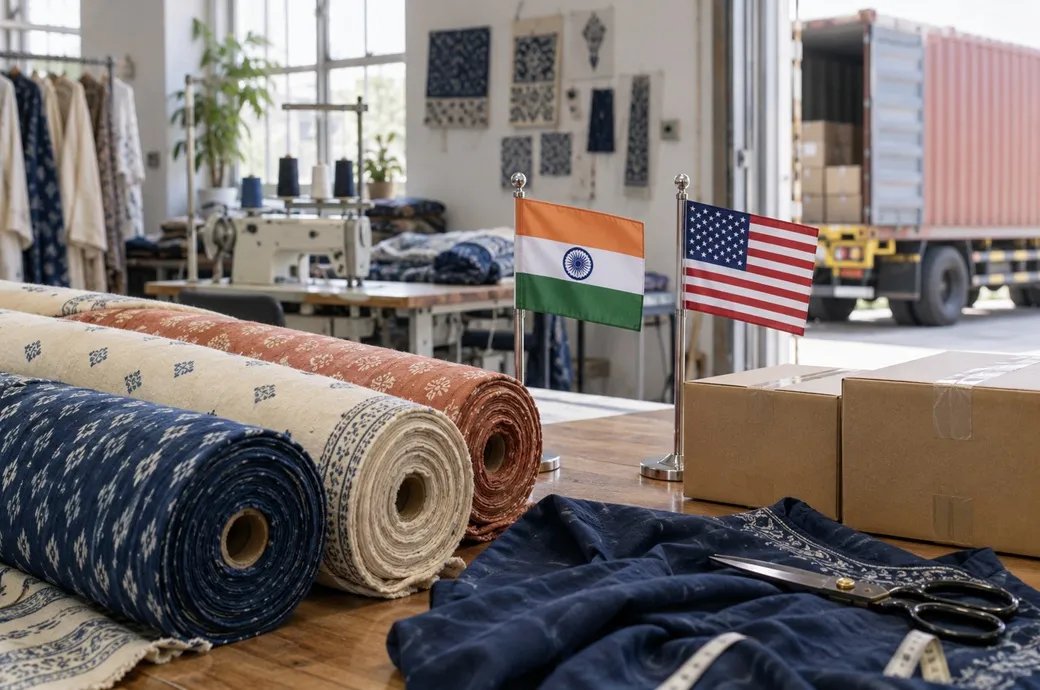
The United States remains the single-largest destination for Indian textile and garment shipments. For a sector that functions as a cornerstone of India’s manufacturing landscape, the US market is not merely an option—it is a lifeline. CITI Chairman Ashwin Chandran highlighted that the industry is already grappling with a fragile operating environment, burdened by rising costs and the ongoing geopolitical volatility in West Asia, which has disrupted shipping routes and increased freight expenses.
“The sector is already under significant stress from several external factors,” Chandran stated in a recent press release. “Adding further layers of tariffs at this juncture would be difficult for the industry to absorb, particularly for our micro, small, and medium enterprises (MSMEs).”
MSMEs in the Line of Fire
The primary concern for policy analysts and industry stakeholders is the disproportionate impact on India’s MSME-led exporters. Unlike large-scale conglomerates with diversified global footprints, small and medium units in India operate on razor-thin margins. These entities are essential to the country’s employment generation, yet they possess the least leverage to negotiate prices or absorb the shock of unexpected import duties.
If the new Act triggers widespread tariff hikes, thousands of smaller manufacturers could find themselves effectively priced out of the American market. The ripple effect of such an event could lead to production cutbacks and job losses in textile hubs across states like Tamil Nadu, Gujarat, and Punjab.
The Search for a Strategic Path Forward
While the government has been aggressively pursuing Free Trade Agreements (FTAs) with various nations to diversify export avenues, CITI has urged a reality check. Industry experts emphasize that FTAs are long-term instruments that cannot provide a quick-fix replacement for the massive demand generated by the US market.
“While we remain committed to exploring new markets, the immediate focus must be on mitigating potential trade barriers with our primary partner,” a CITI representative noted.
The industry body is calling for intensified diplomatic engagement between New Delhi and Washington. CITI advocates for a balanced trade deal that protects the interests of Indian manufacturers while addressing US policy objectives. As the regulatory dust settles on the implementation of the new sanctions, Indian exporters are looking toward the Ministry of Commerce to lead high-level talks aimed at securing exemptions or a structured transition period for the textile industry.
For now, the sector remains in a state of cautious anticipation. As the global trade landscape shifts under the weight of the 2026 Act, India’s textile giants and small-scale entrepreneurs alike are bracing for a period of uncertainty, hoping that the historically strong India-US commercial ties will provide a buffer against the looming threat of punitive tariffs.
Disclaimer: This content is auto-generated for informational purposes only.
Source: Read Original News