









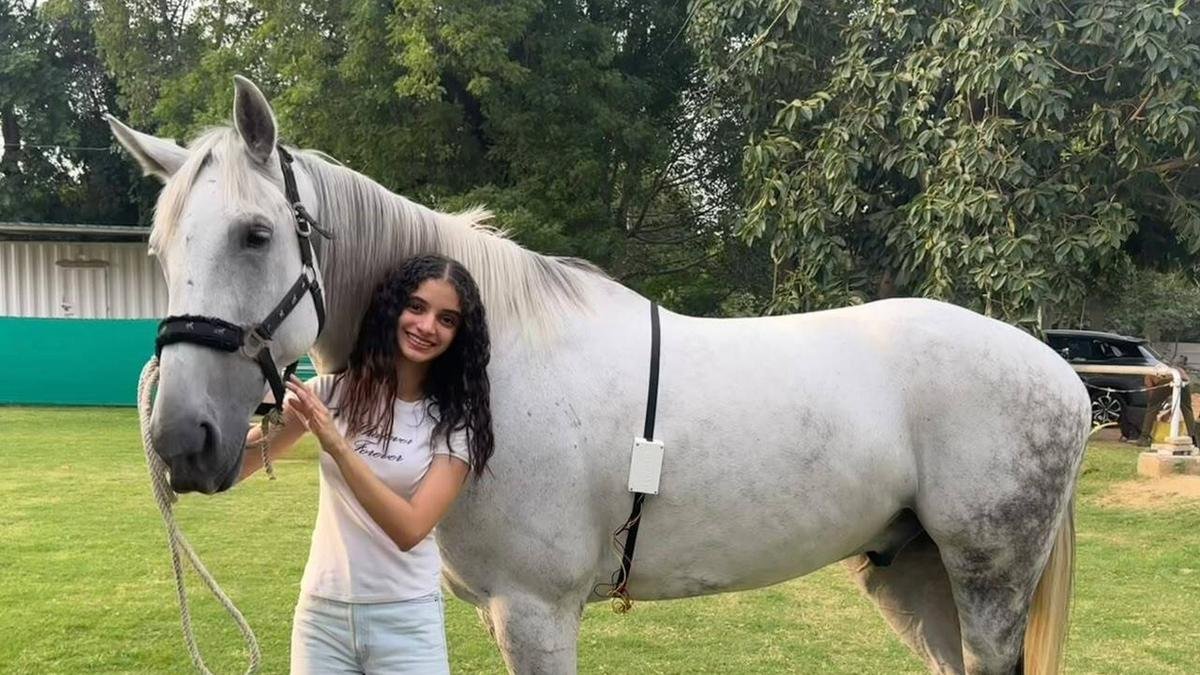
Bridging the Gap: How Student Innovation is Revolutionizing Veterinary Care
For young researchers and students, the classroom is no longer the only laboratory for scientific inquiry. Sanya Sharma, a Class 12 student and competitive equestrian, has demonstrated that the most effective research often stems from identifying real-world gaps in existing technology. Her project, EquiSense AI, serves as a compelling case study on how interdisciplinary learning—combining biology, engineering, and data science—can solve critical issues in animal welfare.
The Challenge of Silent Symptoms
In veterinary science, one of the greatest obstacles to animal health is the “stoic nature” of certain species. As Sharma notes, horses have evolved to mask pain to avoid appearing vulnerable to predators. This evolutionary trait often hides life-threatening conditions like colic until it is too late.
This real-world problem provided the catalyst for Sharma’s project. While existing wearable technology for horses exists, it often suffers from two primary flaws: it is prohibitively expensive due to high import costs, and it is narrow in scope, typically measuring only a single metric like heart rate. For students interested in innovation, this highlights a key lesson: meaningful research often begins by identifying an existing product that is either too costly or too limited in its functionality.
The Engineering of Interdisciplinary Solutions
The development of EquiSense AI required more than just coding; it demanded an integrated approach to hardware design and data science. Sharma’s methodology shifted from tracking a single variable to a multi-sensor ecosystem. By combining heart rate sensors, inertial motion sensors, temperature gauges, and skin response sensors, she created a system capable of interpreting a horse’s physiological state.
This phase of the project underscores a vital academic lesson: the importance of “iterative design.” Sharma recounts that early prototypes were bulky and uncomfortable, requiring several redesigns to ensure the device stayed in place without irritating the animal. This process mirrors the standard engineering design cycle taught in STEM curriculums: identifying a problem, creating a prototype, testing, and refining.
Machine Learning and Data Integrity
The heart of the project lies in its machine learning model. Rather than providing a “black box” alert—a common pitfall in AI where a system provides an answer without explaining how it arrived there—Sharma focused on interpretability. For veterinarians and trainers, an alert is only as good as the evidence provided. By training the system to classify states such as “calm,” “stressed,” or “at risk of colic,” the AI acts as a diagnostic support tool rather than a replacement for human oversight.
For students and policymakers, this is a crucial distinction. As artificial intelligence becomes increasingly integrated into professional fields, the ability to validate models and minimize false positives is becoming a cornerstone of technical literacy.
From School Project to Market Validation
The transition from a academic project to a practical application was solidified through rigorous testing. By collecting over 500 hours of data and securing interest from professional facilities like Sterling Stables, Sharma moved her work beyond the scope of a classroom assignment.
Her submission to the CREST awards program highlights the importance of peer and expert review in the academic journey. Even for the most brilliant students, having a methodology stress-tested by outside experts is essential for intellectual growth. The process forced a focus on validation and scientific rigor, which is an invaluable skill for any student looking to pursue careers in research, medicine, or technology.
Conclusion: Lessons for Future Innovators
Sanya Sharma’s journey with EquiSense AI provides a blueprint for how young researchers can impact their fields. It reinforces the value of:
- Problem-Based Learning: Seeking solutions to problems observed in one’s own life or community.
- The Iterative Cycle: Accepting that the first version of a project is rarely the final one.
- Data Literacy: Learning to interpret complex, multi-modal data to provide actionable insights.
As the lines between traditional disciplines continue to blur, projects like this demonstrate that the next generation of researchers is well-equipped to use technology to address complex, multi-faceted problems in both veterinary medicine and beyond.
Disclaimer: This content is auto-generated for informational purposes only.
Source: Read Original News