


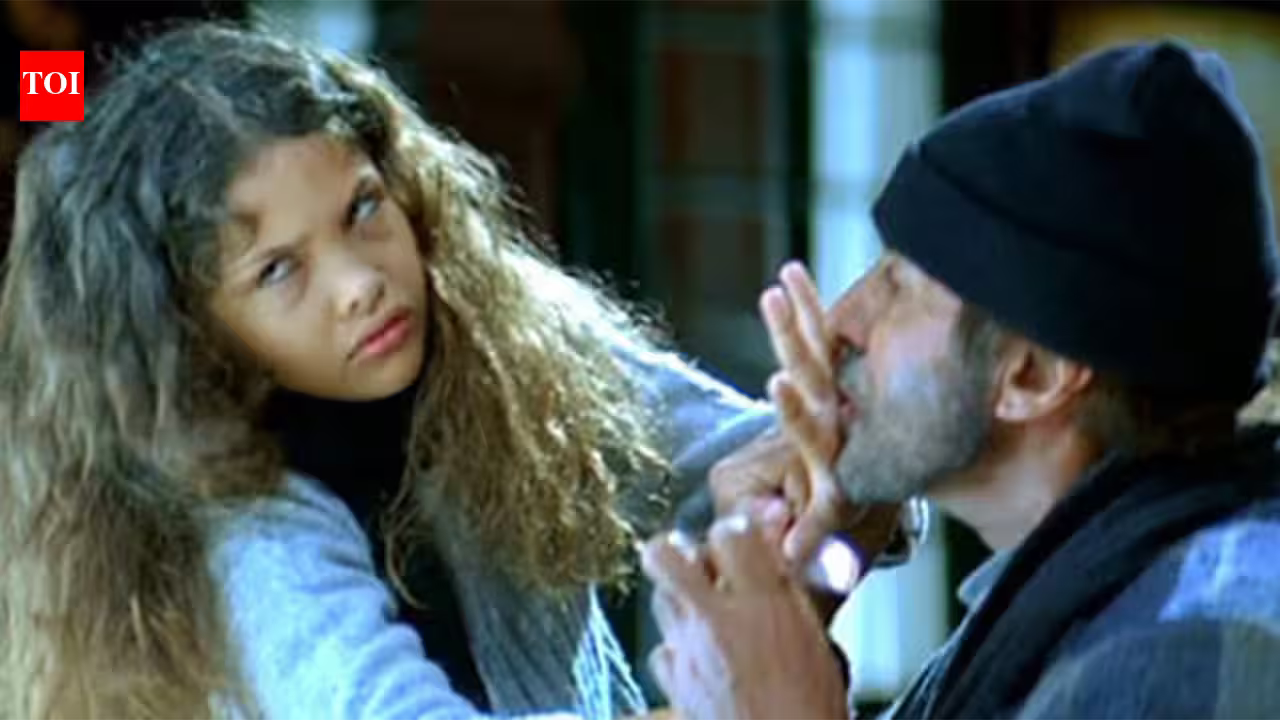






In the vast, often unforgiving landscape of Indian cinema, few debut performances have resonated with the same haunting intensity as Ayesha Kapur’s turn as the young, resilient Michelle McNally in Sanjay Leela Bhansali’s 2005 masterpiece, Black. At just ten years old, Kapur didn’t just share the screen with a cinematic titan like Amitabh Bachchan; she held her own, delivering a performance defined by raw vulnerability and a startling command of the craft.
For many, she became the face of a transformative cinematic experience. But as the credits rolled and the accolades poured in, the reality of life as a child star began to set in. Now, seventeen years later, as Kapur steps back into the spotlight, she is finally opening up about what it’s like to carry the weight of such an iconic performance and how she successfully navigated the complex path of carving out an identity beyond the shadow of her breakout role.
The Weight of a Landmark Debut
When Black hit theaters, the critical reception was nothing short of euphoric. Kapur’s portrayal of a young, blind, and deaf girl learning to navigate a world of darkness earned her a Filmfare Award, catapulting her into the upper echelons of child stardom overnight. While the accolades were deserved, the sheer intensity of that success had a double-edged quality.
In the years that followed, particularly after her appearance in the 2009 film Sikandar, the industry and the public alike seemed to keep her frozen in time. To the audience, she was, and perhaps will always be, the little girl from Black. Navigating the transition from child actor to adult professional is notoriously difficult in any industry, but when your introduction to the world is a performance that is still cited as one of the best in Indian cinema history, the challenge becomes monumental. Kapur’s choice to step away from the arc lights for a significant period wasn’t a rejection of her passion, but rather a strategic reclamation of her own life.
Redefining Life Beyond the Lens
The decision to retreat into relative obscurity was, in hindsight, a masterstroke of self-preservation. “It’s been a long break,” Kapur admits with a reflective candor that belies her youthful start. Stepping out of the public eye allowed her to grow up away from the intrusive gaze of the media and the relentless expectations of a film fraternity that often struggles to let child stars outgrow their childhood personas.
By stepping back, Kapur traded the superficial glamour of fame for the substance of a normal life. This period of quiet allowed her to develop an identity that was entirely her own, separate from the character that brought her fame. It was a period of cultivation, ensuring that when she eventually returned to the screen, she would be doing so as an adult actor with a grounded sense of self, rather than a former child star clinging to the echoes of a past hit.
The Return to a ‘First Love’
Despite the long hiatus, the itch to perform never truly faded. In recent years, audiences caught a glimpse of her maturity in the Tamil web series Sweet Kaaram Coffee, a return that was greeted with genuine curiosity and excitement. For Kapur, the medium might change, but the impulse remains unchanged.
“It’s great to be acting again,” she explains. “I love acting and the whole process of developing the character, working with the team, and being on set. Acting was my first love, and will always be my first love.”
This clarity of purpose is striking. For someone who experienced the pinnacle of professional success before reaching double digits, there is a refreshing lack of cynicism in her words. She isn’t chasing the nostalgia of Black; she is chasing the craft of storytelling. Her return is driven by a genuine hunger to explore new narratives and inhabit characters that challenge her current sensibilities as an adult performer.
The Legacy of ‘Black’ in the Public Consciousness
One of the most interesting aspects of Kapur’s conversation is her acceptance of the public’s enduring connection to Black. She recognizes that no matter how many roles she takes on or how much she evolves, the film occupies a singular space in the hearts of Indian cinephiles.
“The break definitely allows people to see me as an adult in a film, separately from that girl from Black,” she notes. “Of course, people still remember that for some reason. It’s still in people’s hearts.”
There is no resentment in her tone regarding this association. Instead, there is a mature understanding of how cinema works. She understands that Black isn’t just a movie to her fans—it is a cultural touchstone. Being part of such a legacy is a privilege, even if it brings the challenge of being “pigeonholed.” By returning now, she isn’t trying to overwrite her history; she is simply adding a new chapter to it.
Looking Toward the Future
As Ayesha Kapur looks ahead, the industry stands in a very different place than it did in 2005. With the rise of streaming platforms and a more diverse range of storytelling, the opportunities for an actor of her caliber are plentiful. She is no longer just the “child star” trying to find her footing; she is an artist who has deliberately chosen her path, taken the time to grow, and returned to the industry on her own terms.
Her journey serves as a quiet reminder that success, when it comes too early, requires a deliberate, often difficult, step back to truly comprehend. Ayesha Kapur has navigated the transition from the screen’s youngest prodigy to a thoughtful, intentional actor with grace. Whether she is tackling complex dramatic roles or experimenting with new formats, one thing is clear: the passion that made her a star at ten is precisely what will sustain her as an actor for the decades to come. The girl from Black has arrived, and this time, she is firmly in control of the narrative.
Disclaimer: This content is auto-generated for informational purposes only.
Source: Read Original News