







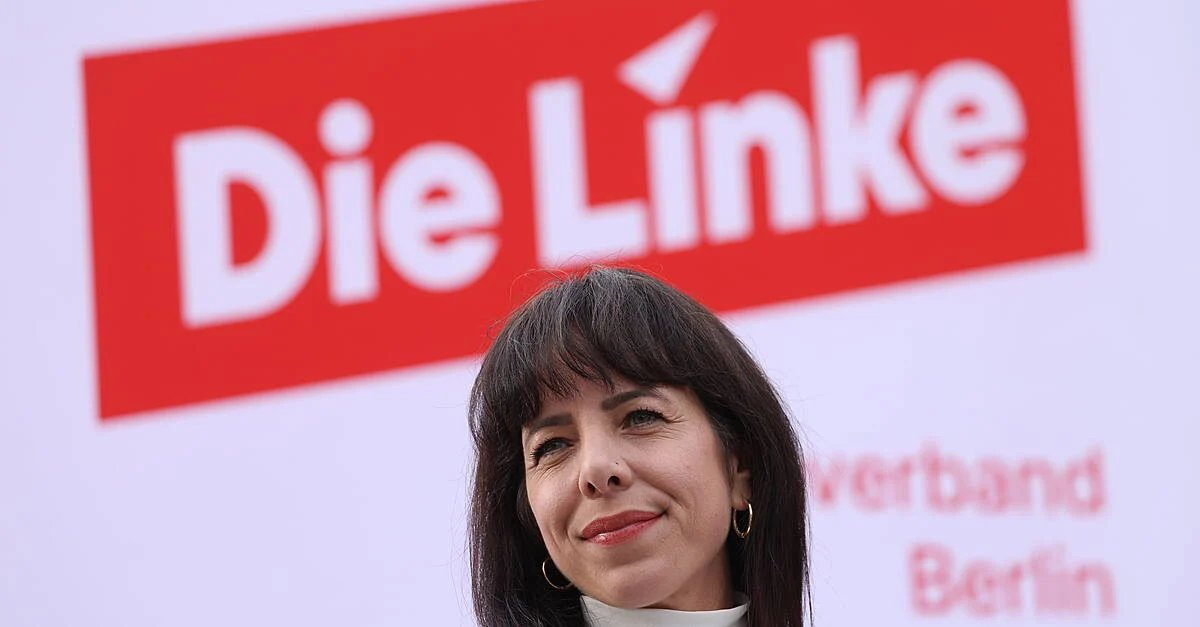
BERLIN — With just hours remaining before polling stations open for Sunday’s pivotal regional elections, a charismatic, unconventional candidate is poised to disrupt the German political landscape. Drawing direct comparisons to New York assemblyman Zohran Mamdani, the Berlin-based firebrand has become the face of a surging, far-left, anti-capitalist movement that is currently challenging the city’s political establishment for the top spot.
The campaign has tapped into a deep vein of public frustration, specifically targeting the dual anxieties of skyrocketing housing costs and the rising threat of the far-right. In a city where rents have doubled in many districts over the last decade, the candidate has successfully reframed the debate from mere municipal policy to an existential struggle against corporate landlords and neoliberal stagnation.
Observers suggest that this “Mamdani-style” approach—combining grassroots organizing, social media savvy, and a radical economic platform—has energized a demographic that had long since disengaged from traditional politics. By positioning the party as the only genuine alternative to both the entrenched governing coalitions and the surging nationalist rhetoric of the far right, the campaign has moved beyond the fringes and into the center of the mainstream conversation.
“We aren’t just running a campaign; we are building a coalition of the disenfranchised,” said a spokesperson for the party. “People are tired of being priced out of their own neighborhoods while local government looks the other way. This election is about reclaiming the city for those who actually live and work here.”
The strategy appears to be working. Recent polling data indicates a dramatic late-stage surge, with the anti-capitalist movement now neck-and-neck with the traditional center-left and conservative parties. If successful, it would mark the first time an openly anti-capitalist platform has claimed victory in a major German state election, a result that would send shockwaves through federal politics in Berlin and beyond.
The party’s manifesto, which includes calls for strict rent caps, the expropriation of large-scale corporate housing firms, and a massive expansion of public services, has faced fierce criticism from industry leaders and political opponents. Critics label the platform “economically illiterate” and warn that it could trigger a flight of capital that would damage the city’s post-pandemic recovery.
Yet, for thousands of young voters and low-income residents, these warnings have only served to galvanize support. The campaign has effectively utilized the specter of the far-right to draw a sharp contrast: while right-wing populists have focused on cultural grievances and xenophobic rhetoric, this left-wing alternative has grounded its message firmly in material conditions and economic class warfare.
As Berliners head to the polls on Sunday, all eyes will be on whether this insurgent force can consolidate its momentum. Whether or not they secure a first-place finish, the movement has already succeeded in fundamentally shifting the goalposts of Berlin’s political debate, proving that the appetite for radical change in the capital is far greater than the status quo dared to imagine.
Disclaimer: This content is auto-generated for informational purposes only.
Source: Read Original News