






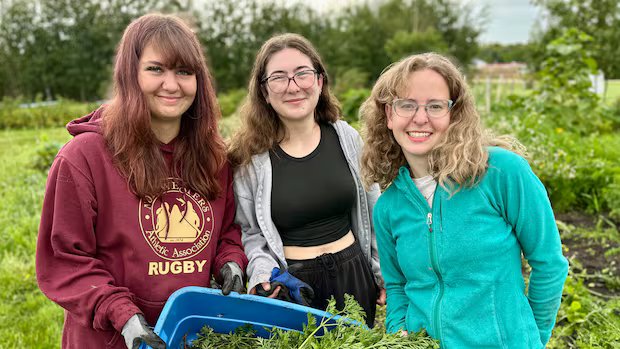
In a region where local youth are finding traditional employment increasingly hard to come by, a group of teenagers in Beaumont, Alberta, has turned to an unlikely source of professional growth: the soil. The newly formed youth club at the Beaumont and District Agricultural Society (BADAS) has spent the summer transforming vacant land into a thriving produce business, offering a blueprint for how community organizations can leverage grassroots initiatives and modern funding to bridge the gap between education and entrepreneurship.
## Cultivating Careers in a Digital Age
While the agriculture industry often conjures images of industrial-scale machinery and aging demographics, the BADAS youth program is successfully rebranding farming for the digital native generation. Under the guidance of youth coordinator Terra Pombert, six teenagers took charge of the garden, managing everything from crop selection and pest mitigation to the complexities of retail sales at the local farmers’ market.
This pilot project, bolstered by a $16,000 grant from the Canada Post Community Foundation, was designed to provide more than just gardening tips. It served as a functional laboratory for leadership, mentorship, and business operations. In an economy where young people are actively seeking ways to pad their resumes and gain practical experience, the project provided a rare, hands-on opportunity to engage with the food supply chain directly.
## Overcoming Environmental and Operational Hurdles
The debut season for the club was far from easy. The teens faced significant environmental stressors, including volatile weather patterns and pest infestations that wiped out one of their initial plots during a heavy rainy spell in June. These setbacks, however, provided an accelerated course in crisis management and resilience.
“We’ve still managed to grow something pretty good and make the best of it,” noted 16-year-old club president Kiera Lang. Avery Sheppard, the club’s vice-president of communications, echoed this sentiment, highlighting that the experience provided an authentic look at the unpredictable nature of agricultural production. By navigating these challenges, the participants learned that successful businesses often rely on adaptability—a trait that remains the cornerstone of the modern tech and startup landscape.
## Scaling Up: The Role of Community and Technology
The success of the “BADASyouth” pilot has already spurred further investment. With an additional $5,000 grant secured from The Dream Community Foundation, the organization plans to expand its operations next year.
This model of community-driven agricultural development reflects a growing trend in utilizing local hubs to address regional economic gaps. By integrating business planning, financial literacy, and agricultural skills, the program is teaching participants that the “new economy” isn’t strictly limited to software development or digital media.
As the program looks toward its second year, it highlights an important intersection: the ability for youth to harness entrepreneurial tools to solve local problems. Whether it is through managing garden plot scheduling or marketing their harvests to the public, these teens have demonstrated that traditional industries—when paired with the right mentorship and community support—can offer highly relevant pathways for the next generation of workers. By “growing their own jobs,” the Beaumont youth have secured more than just a seasonal harvest; they have gained a foundation of skills that will serve them long after the final carrots are pulled from the ground.
Disclaimer: This content is auto-generated for informational purposes only.
Source: Read Original News