





SANO, Japan — Alan Curr has spent the better part of this week oscillating between the roles of stadium groundskeeper, logistics manager, and diplomat. With a typhoon looming on the horizon, the Japan Cricket Association (JCA) COO has been a blur of activity—hauling covers off the wicket, erecting hospitality tents, and coordinating security details for a venue that usually caters to a quaint, 500-seat capacity.
However, the transformation of this modest ground into a world-class theater is not merely for a local exhibition. On Tuesday, if the skies allow, the reigning T20I world champions will step onto the field to face Japan in what marks the country’s first-ever men’s senior international against a Full Member nation. For the JCA, the scoreboard is secondary; the event itself represents a seismic shift for the sport in the region.
“A lot of success has almost already happened,” Curr said, speaking to select media amid the final preparations. “The fact that India has agreed to come, the fact that I’m sitting here talking to you, the fact that Japanese media are coming to learn about cricket—we’re having successes already.”
More than just another T20I match
Cricket in Japan is a sport with roots dating back to the 1870s, yet it has perpetually struggled to find airtime in a nation dominated by baseball, football, and traditional martial arts like Sumo. While Japan has previously fielded teams in Under-19 World Cups and participated in the Asian Games through their women’s program, hosting the Indian men’s team is a different caliber of challenge.
“It certainly helps to say that the reigning world champions, the No. 1 ranked team in the world, are coming to Japan,” Curr noted. “It’s piquing interest, but we’ve still got a long way to go before cricket breaks into the mainstream sporting audience.”
The JCA is banking on this match to serve as a high-profile introduction. With cricket set to feature in the upcoming Asian Games in Aichi-Nagoya, the presence of an Indian side provides the sport with the legitimacy it has long sought. As Curr aptly puts it, “You can’t be what you can’t see.”
Cricket’s quiet, but slow, growth in Japan
While the headlines this week are focused on the glamour of international superstars, the JCA has been playing a long game of “Kaizen”—the Japanese philosophy of continuous improvement. Since Curr arrived in 2014, the growth metrics have been undeniable. The registered player base has surged from 3,000 to 8,800, and the domestic “Japan Cup” T20 competition has expanded from a dozen teams to over 80.
The infrastructure, too, has evolved. The country now boasts a domestic 40-over league spanning four divisions, signaling that the sport is no longer just a niche interest for expatriates, but a developing pathway for local athletes. While growth is often incremental, matches like this are viewed as accelerants—catalysts that turn curiosity into a permanent following.
Winning hearts and viewers, not necessarily the match
Japan is under no illusions regarding the competitive reality of the upcoming fixture. Taking on an Indian squad flush with world-class talent is, as Curr put it, “an extremely difficult challenge for players who have never played at that level before.”
Instead of measuring success through runs and wickets, the JCA is measuring it through cultural impact. The goal is to project an image of cricket that is accessible, competitive, and, above all, fun. Drawing inspiration from the Japanese women’s team—who famously stayed behind after their Asian Games match against India to interact with fans and acknowledge supporters—the men’s side aims to cultivate a similar connection with the crowd.
“We want cricket to be played hard but also be accessible and friendly,” Curr added. If the spectators leave the Sano ground with a positive impression of the game’s spirit, the JCA will consider the day a resounding victory for the growth of the sport.
How the historic fixture came into being
The road to this historic encounter was paved not with grand marketing blueprints, but with clay. Eighteen months ago, the JCA prioritized upgrading the turf square at Sano, bringing in a consultant from Sri Lanka Cricket to identify the right soil composition.
The high-quality pitches produced were so successful that they were replicated at the Asian Games venue in Nagoya. This gave the JCA a bold idea: if they had international-standard facilities, why not pitch the idea of using them to the world’s cricket powerhouses?
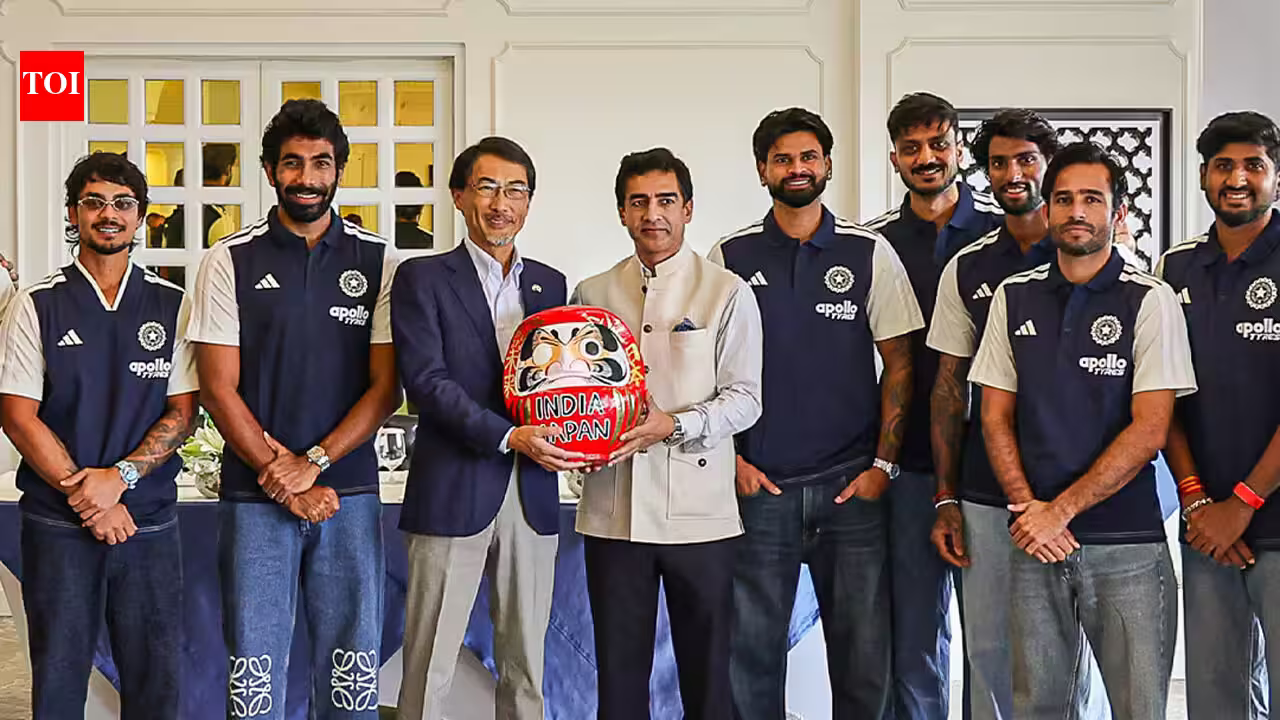
“The BCCI were really keen to have an opportunity to train,” Curr said, reflecting on the surprise ease of the negotiations following the ICC conference in Edinburgh. “It’s huge credit to them that they’re excited about coming here and building this relationship with the JCA.”
The timing aligned perfectly. With the Asian Games approaching, the Indian squad needed a training base, and Sano offered the ideal sanctuary. What began as a logistical solution for a training camp has now blossomed into a landmark sporting event.
As the countdown to Tuesday begins, all eyes in the cricketing world will turn toward Japan. Whether or not the match survives the typhoon’s path, the JCA has already cleared a significant hurdle. They have invited the world to their front door, and for the first time in history, the world is paying attention.
Disclaimer: This content is auto-generated for informational purposes only.
Source: Read Original News