







In the high-stakes, hyper-competitive ecosystem of modern Bollywood, where a single spreadsheet-calculated box office failure can derail a career, the art of casting has become a high-wire act of ego management and strategic persuasion. No one understands this better than Mukesh Chhabra, the industry’s most influential gatekeeper. Recently, Chhabra peeled back the curtain on the making of the year’s biggest cinematic juggernaut, Dhurandhar, revealing a tale of initial rejections, stubborn artistic conviction, and an eleventh-hour pivot that turned a missing puzzle piece into the film’s most explosive performance.
The “Villain” Problem: When Stars Calculate Instead of Feeling
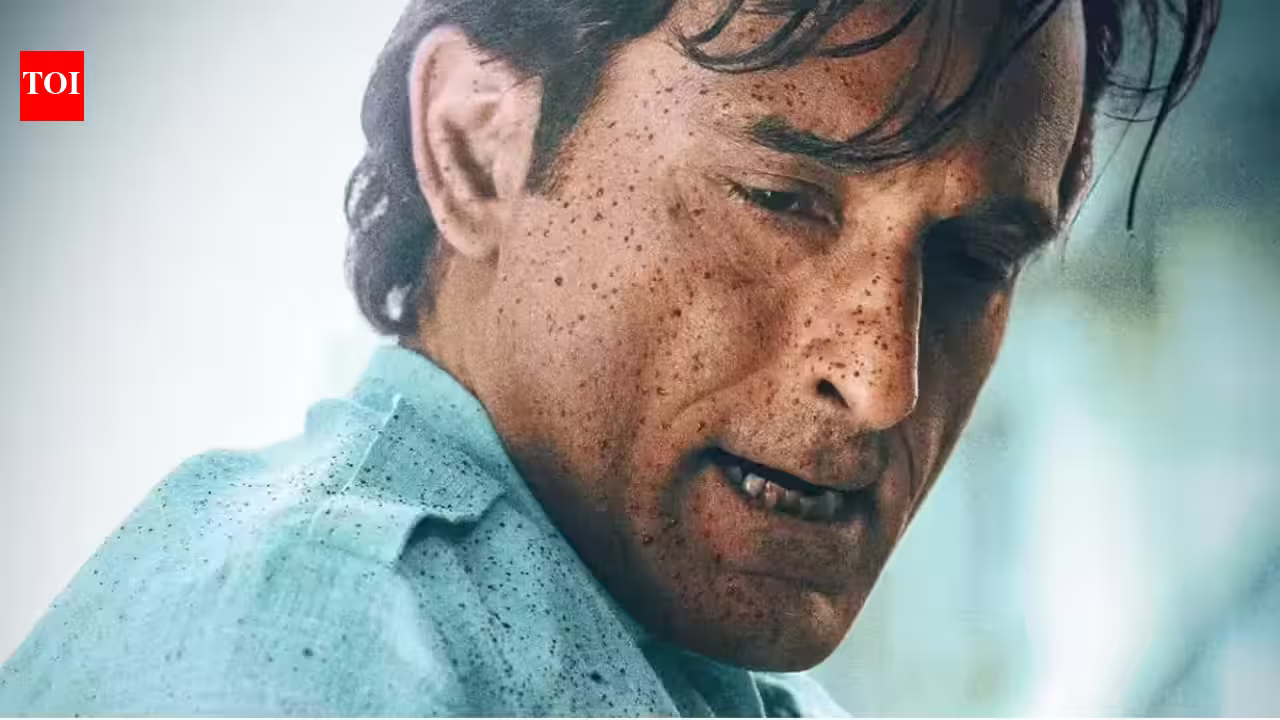
The cinematic landscape of Dhurandhar is vast, but the gravitational pull of the film is undeniably centered on Akshaye Khanna’s haunting, masterful portrayal of Rehman Dakait. Yet, as Chhabra revealed on Shekhar Tonite, that performance almost never happened.
The casting process was riddled with hesitation from the industry’s top tier. According to Chhabra, two or three prominent A-listers looked at the script, looked at the ensemble nature of the project, and promptly walked away. Their rationale was grounded in the cold, hard arithmetic of the box office: Aditya Dhar hadn’t helmed a project since the 2019 blockbuster Uri: The Surgical Strike. To these stars, the gap in time represented a risk that outweighed the allure of the material.
“When an artiste starts thinking with his mind instead of heart, then that’s a problem,” Chhabra remarked, highlighting a growing malaise in the industry where the “calculations” of marketability often stifle the instinctual pull of a great character.
Akshaye Khanna’s Near Miss
When Chhabra approached Akshaye Khanna, the actor’s reaction was characteristically blunt—a reflection of his reputation for being one of the most discerning and occasionally guarded actors in Indian cinema. Upon hearing the role was that of an antagonist, Khanna famously fired back: “Pagal ho gaya hai kya tu? Villain kyun karunga main?” (Are you mad? Why would I play the villain?)
It’s a classic Khanna response—a demand for substance over spectacle. But the trajectory of the conversation shifted in less than five minutes. As Chhabra began to peel back the layers of the script, the actor’s skepticism dissolved into genuine intrigue. “After listening to the story for five minutes, he said fantastic and said yes the same day,” Chhabra shared. It wasn’t just a role; it was an invitation to inhabit a complex, multi-dimensional antagonist that hadn’t been seen in mainstream cinema for years. Khanna didn’t just step into the shoes of Rehman Dakait; he brought an unnerving, cerebral intensity that added layers to Aditya Dhar’s already dense writing.
The Unsung Heroism of Ranveer Singh
A pivotal aspect of the Dhurandhar phenomenon was the promotion strategy, which often centered on the rivalry and the conflict rather than the typical “hero-first” marketing approach. While the film features a massive ensemble—including Sanjay Dutt, R. Madhavan, and Arjun Rampal—the dynamic between the hero and the antagonist was the spine of the narrative.
Chhabra was quick to point out the professional maturity of the film’s lead, Ranveer Singh. In an industry where young stars are notoriously protective of their screen time, image, and “hero” status, Singh’s approach was an anomaly. “Hats off to Ranveer,” Chhabra noted. “If you tell a young hero today that you just have to stand and walk behind, he wouldn’t do it. Ranveer knew what was going to happen in the second half. He just surrendered in this film.”
That act of surrender—the willingness to let a performance like Khanna’s bloom—is perhaps the secret ingredient to the film’s unprecedented ₹3,120.74 crore global haul. By focusing on the story’s structural integrity rather than individual ego, the lead cast allowed Dhurandhar to function as a cohesive, high-octane machine.
Aditya Dhar’s Quiet Conviction
At the center of this storm is Aditya Dhar, a director who, according to Chhabra, operates with a level of clarity that borders on the visionary. In an industry defined by focus groups, producer notes, and constant pivots, Dhar is known for his unshakable internal compass.
“Aditya Dhar only listens to himself,” Chhabra admitted. “He is very sure of himself. He has the conviction of doing what he wants.” This conviction manifested in the script’s intensity, which left Chhabra stunned during the initial narration. The casting director recalled sitting in total silence for half an hour after the final page was turned, fully aware that he had just held a blockbuster in his hands.
The Changing Currency of Casting
The success of Dhurandhar has done more than just pad the bank accounts of the producers; it has fundamentally altered the power dynamic for Mukesh Chhabra himself. While he has been the architect behind the casts of massive cultural touchstones like PK, Sanju, Dangal, and Gangs Of Wasseypur, he admits that the post-Dhurandhar era feels different.
“The respect and popularity I received after Dhurandhar is unmatched,” he says. The role of the casting director, once a back-room task, has moved into the spotlight. Today, Chhabra carries a weight of credibility that allows him direct access to the biggest stars in the business. It is a rare position of power, one that he views not as a tool for ego, but as a responsibility to continue pushing for the unconventional choices—like casting Akshaye Khanna against type—that make the difference between a hit movie and a cinematic landmark.
In retrospect, the story of Dhurandhar is a lesson in the necessity of creative intuition. It serves as a reminder that the best decisions in entertainment are rarely the ones that look best on a spreadsheet. They are the ones that provoke a visceral “yes” from an actor who, just minutes prior, thought the idea was madness.
Disclaimer: This content is auto-generated for informational purposes only.
Source: Read Original News