






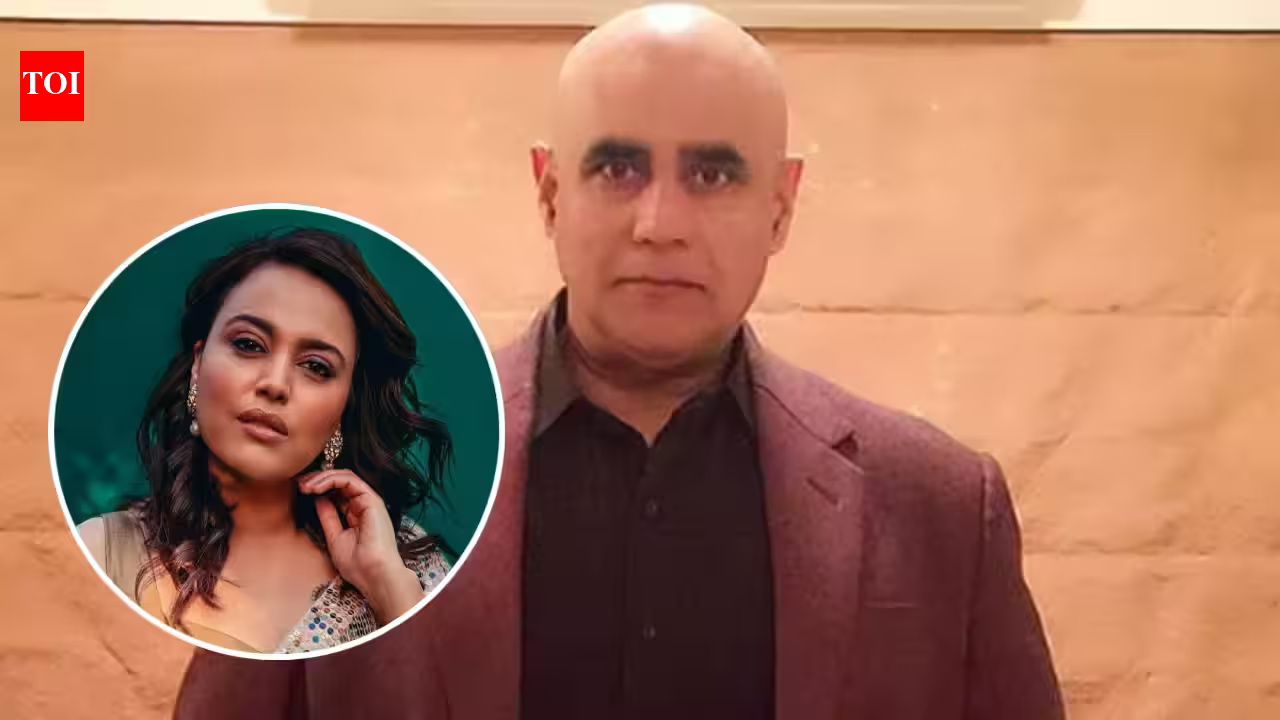
The divide between the silver screen and the volatile arena of public discourse has never been wider. In an industry where public image is currency, veteran actor Puneet Issar has stepped into the fray, delivering a sharp rebuke to fellow artist Swara Bhasker over her long-standing comments regarding the 2019 Ayodhya verdict. Issar, currently gearing up for the highly anticipated Border 2, took a firm stance during a recent conversation with IANS, challenging the necessity—and the sincerity—of stars who use their platform to weigh in on sensitive communal issues.
The Collision of Art and Activism
For decades, Puneet Issar has remained a stalwart of the Indian film industry. Known for his imposing screen presence and iconic portrayal of Duryodhana in B.R. Chopra’s Mahabharat, the actor speaks from a place of old-school discipline. His philosophy on the role of an artist is simple, perhaps even traditionalist: keep the focus on the craft.
“We are artists. We should take care of our 140 crore people. Your job is to entertain. You just entertain. You just perform,” Issar remarked, drawing a clear line in the sand. According to the veteran, the blurring of lines between a performer’s professional identity and their personal political activism creates unnecessary friction that alienates the very audience they are meant to serve. He contends that if an actor feels a pull toward activism or legislative change, the cinematic stage is not the place for it; they should step out of the spotlight and into the political arena if they are truly committed to the cause.
The Contested Remarks That Sparked the Fire
The source of this friction dates back to the aftermath of the landmark 2019 Supreme Court verdict on the Ram Janmabhoomi-Babri Masjid dispute. Swara Bhasker, an actress frequently noted for her vocal presence on social media, sparked significant outrage when she declared that she felt “really ashamed as a Hindu” following the court’s decision.
Her comments didn’t stop at a public proclamation. In a recent podcast appearance, Bhasker revealed that the weight of her conviction was such that she felt compelled to reach out to prominent Muslim figures within the industry—including Shah Rukh Khan, Salman Khan, and Aamir Khan—to personally apologize and express her dissonance with the judicial outcome. For Bhasker, the act was one of solidarity and moral alignment. For critics like Issar, however, it represents a performative gesture that risks stoking communal embers rather than cooling them.
The Question of Motive and Funding
Perhaps the most stinging part of Issar’s critique was his questioning of the underlying motives behind such high-profile declarations. He didn’t stop at suggesting that actors should stay in their lane; he hinted at something more calculated.
“Just to get into news, or if someone is supporting you, or if someone is funding you, and you follow someone for your personal gain, and give such a shocking statement, I think that is in a very bad taste,” Issar stated. This allegation—that social activism in Bollywood can sometimes be a byproduct of influence or financial backing—is a recurring theme in the culture wars currently plaguing the industry. By questioning whether these statements are genuine reflections of conscience or tactical plays for relevance, Issar tapped into a sentiment shared by a segment of the public that views celebrity activism with deep skepticism.
The Price of Public Opinion
In an age of “cancel culture” and 24-hour news cycles, an actor’s brand is increasingly linked to their political optics. Puneet Issar’s comments highlight a fundamental tension in Bollywood: the expectation that stars should be relatable idols versus the reality that they have their own personal, often polarizing, beliefs.
For many, the Ayodhya verdict was a historic milestone. For others, it remains a point of deep contention. By choosing to voice her dissent so loudly, Bhasker became a lightning rod for criticism. Issar’s rebuttal serves as a reminder that in the eyes of many of his generation, the sanctity of the industry lies in its ability to be a collective, unifying force—a “dream factory” that transcends religious and political divisions, rather than one that exacerbates them.
Looking Ahead: The ‘Border 2’ Factor
It is worth noting that this clash of ideologies surfaces at a time when nationalistic themes in cinema are seeing a massive resurgence. As Issar prepares to return to the screen in Border 2, a film that inherently leans into patriotic sentiment, the contrast between his brand of cinematic storytelling and Bhasker’s brand of activist discourse becomes even more pronounced.
The public’s appetite for “nationalistic” cinema is currently at an all-time high, and actors who align themselves with the prevailing patriotic mood often find themselves in the public’s good graces. Conversely, those who challenge the narrative are often met with the kind of scrutiny Issar is now directing at Bhasker.
Ultimately, this latest exchange between two generations of artists is more than just a clash of personalities; it is a symptom of a larger, ongoing debate about what we want from our stars. Do we want them to be mirrors of our own societal conflicts, or do we want them to be the escapists who help us forget those conflicts for a few hours in a dark theater? Puneet Issar has made his position clear: keep the politics off the screen and stick to the entertainment. Whether the industry at large—or the audience—agrees is a question that will continue to play out in every headline, tweet, and box-office report to come.
Disclaimer: This content is auto-generated for informational purposes only.
Source: Read Original News