




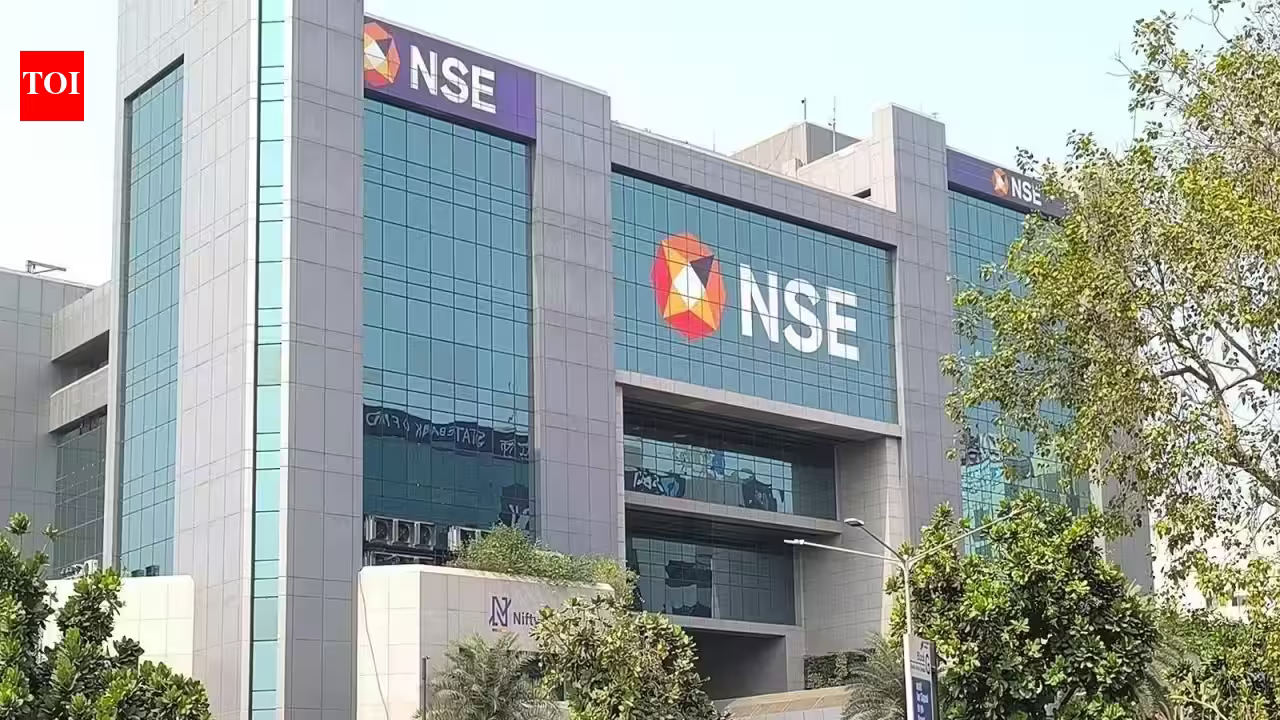



Strategic Capital Realization: Analyzing the NSE Public Issue
The National Stock Exchange of India (NSE) initial public offering (IPO) stands as a landmark event in the history of Indian capital markets. With a valuation reaching Rs 4.42 lakh crore at the upper price band, the exchange’s decision to move toward public listing reflects the maturing state of India’s financial infrastructure. However, the structure of this issue, which is entirely an offer-for-sale (OFS), provides a unique window into the investment philosophy of the exchange’s long-term institutional backers.
By offering 12.64 crore equity shares, the NSE IPO effectively serves as a secondary market exit mechanism for pre-IPO investors rather than a primary capital-raising event for the exchange itself. This distinction is critical for understanding the motives behind the sale. Unlike a fresh issue of equity, which would dilute existing ownership to fund growth initiatives, the OFS allows legacy stakeholders to unlock liquidity while maintaining a meaningful footprint in one of the most profitable financial entities in the country. The fact that the issue is the second-largest in Indian history, trailing only Hyundai Motor India, underscores the massive scale of investor interest in India’s dominant stock exchange.
Institutional Retention and Long-Term Confidence
A granular analysis of the shareholding data reveals a compelling trend: institutional investors are not seeking an exit from the NSE story. On the contrary, their participation in the OFS is characterized by restraint. Prior to the IPO, a cohort of 20 institutional investors—comprising nine foreign and 11 domestic entities—held a combined 36.82 percent stake in the exchange. Through the current offer, these entities collectively reduced their exposure by only 5.11 percent.
This conservative divestment strategy suggests that these institutions view the NSE as a core asset. For instance, major players such as Aranda Investments, Stock Holding Corporation of India, SBI Capital Markets, and ChrysCapital reduced their respective holdings by only approximately 7 percent on average. Similar patterns are visible among foreign investors like Crown Capital and TA Asia Pacific. By shedding only a small fraction of their portfolios, these shareholders are signaling confidence in the future trajectory of the Indian securities market. This behavior is typical of sophisticated institutional investors who seek to capture partial gains while continuing to benefit from the compounded growth of an entity that holds a near-monopoly position in the domestic derivatives and equity segments.
The Mechanics of the Offer-for-Sale Structure
The NSE IPO is a classic case study in how mature companies utilize the secondary market to provide an exit for early-stage capital. Because the entire proceeds of the Rs 22,569-crore issue are directed toward selling shareholders, the exchange does not receive capital for its operational expansion or technological upgrades. This structure is often employed when an entity is already cash-flow positive and does not require additional equity funding to maintain its dominant market position.
From a regulatory perspective, the reduction of the offer size from the initially proposed 14.9 crore shares to 12.64 crore shares is a point of intrigue. This downward revision reduced the total issue size from an estimated Rs 30,000 crore to the current level. Such a pivot typically indicates a balancing act between achieving the necessary float for public listing and ensuring that existing shareholders do not relinquish too much equity at a price point that may be perceived as conservative relative to the company’s long-term earnings potential. For the retail and institutional buyers participating in the IPO, the limited nature of the shares on offer creates a sense of scarcity, which has likely contributed to the strong subscription rates observed during the bidding process.
Market Sentiment and the Macroeconomic Context
The enthusiasm surrounding the NSE public issue must be viewed against the backdrop of India’s broader macroeconomic performance. With domestic participation in the equity markets at an all-time high, the NSE serves as the primary gateway for millions of individual investors. The exchange’s business model, characterized by high operating leverage and robust fee structures derived from trading volumes, makes it a proxy for the health of the entire Indian economy.
The fact that the issue achieved full subscription by the second day of bidding reflects a high level of market confidence. The demand, led heavily by qualified institutional buyers and non-institutional investors, suggests that the market has fully embraced the exchange’s valuation, even at the higher end of the Rs 1,700–1,785 price band. This robust demand indicates that investors are not merely viewing the NSE as a utility provider but as a high-growth technology platform capable of continuous innovation in clearing, settlement, and data services. By listing, the NSE is stepping into a new era of transparency and governance, which is likely to further institutionalize its operations and potentially improve its market valuation over the medium to long term.
Implications for the Indian Financial Ecosystem
The successful listing of the NSE is likely to trigger a ripple effect across the Indian corporate landscape. First, it provides a benchmark for the valuation of financial infrastructure providers in an emerging market. Second, it encourages other major unlisted entities in the financial services sector to consider public markets as a viable path for unlocking shareholder value.
Furthermore, the participation of both domestic public sector entities and foreign institutional investors demonstrates the heterogeneous nature of the NSE’s ownership structure. By balancing these interests, the exchange has successfully navigated complex regulatory and shareholder requirements. For the Indian investor, the NSE listing serves as a definitive milestone, cementing the transition of the domestic market from a niche domestic arena to a globally integrated financial hub. As the exchange prepares for its trading debut, the focus of the market will shift from the mechanics of the IPO to the long-term governance of the listed entity. With substantial institutional interest remaining intact, the NSE is positioned to maintain its role as the backbone of Indian finance, now under the oversight of a wider, public base of shareholders. This transition toward public ownership, while maintaining the stability of existing institutional support, positions the NSE to continue its evolution as a world-class financial institution.
Disclaimer: This content is auto-generated for informational purposes only.
Source: Read Original News