








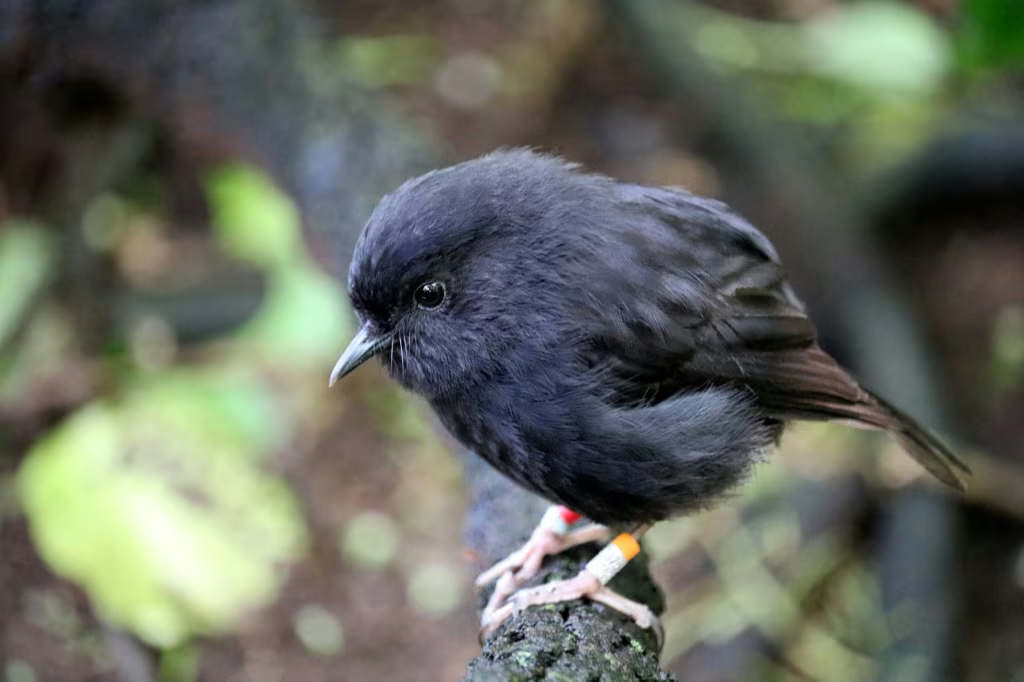
In a display of democratic enthusiasm usually reserved for national elections, a record-breaking 105,000 New Zealanders have cast their ballots to crown the country’s 2024 “Bird of the Year.” This year, the electorate turned its back on celebrity-endorsed campaigns and internet meme culture, instead throwing its support behind a conservation success story: the critically endangered black robin.
The diminutive bird, which hails from the remote Chatham Islands some 800 kilometres off the South Island’s east coast, secured a landslide victory with over 26,000 votes. Its win marks a triumphant moment for a species that, just over four decades ago, was on the precipice of extinction. In 1980, only five black robins remained in the world, including a single breeding female. Through intensive conservation efforts, that number has since climbed to approximately 350.
The black robin soundly defeated two of New Zealand’s most iconic feathered icons: the flightless kakapo, which took second place, and the native karearea falcon, which rounded out the top three.
Organized by the independent conservation group Forest and Bird, the annual competition has gained a reputation for being as chaotic as it is beloved. The contest has weathered its fair share of controversy over the past decade, including the 2019 “foreign interference” scandal, where organizers were forced to investigate hundreds of suspicious votes originating from Russian IP addresses. Furthermore, last year’s race was defined by the intervention of international celebrity John Oliver, whose aggressive “Last Week Tonight” campaign helped propel the eccentric puteketeke to a viral victory.
This year, however, the focus shifted back to local advocacy and genuine conservation needs. Rebecca Hatch, a spokesperson for Forest and Bird, noted that the record turnout—with roughly one in every 50 New Zealanders participating—was a testament to a growing national commitment to the environment.
“This year has seen record numbers of votes with 105,000 people choosing their favourite,” Hatch said. “New Zealanders have really shown up for nature.”
The winning campaign was spearheaded by the Chatham Islands Landscape Restoration Trust. The organization utilized the high-profile win not just for prestige, but to advocate for the survival of the species. The Trust is currently pushing for the creation of a third habitat for the robins, a move they argue is essential to ensure the long-term biodiversity and resilience of the population.
By elevating the black robin to the top of the “pecking order,” New Zealand voters have signaled a clear preference for the preservation of their most vulnerable native treasures, ensuring that the bird’s miraculous recovery from the brink of oblivion continues for generations to come.
Disclaimer: This content is auto-generated for informational purposes only.
Source: Read Original News