







When we think of winter garden care, most of us picture ourselves safely tucked away indoors with a warm cup of tea, blissfully ignoring the outdoor chores. Once the lawnmower is cleaned and stored, the grass usually drops to the bottom of our priority list. However, if you want to avoid a patchy, lackluster yard when the first signs of spring appear, November is actually the most critical time to pay attention.
Moss loves the damp, chilly conditions that late autumn brings. If you leave it to spread during the colder months, it will quickly choke out your grass, leaving your lawn looking like a desert of brown fuzz by the time you want to start hosting garden gatherings again. The good news is that keeping your lawn in top shape is much simpler than you might think, and it involves a secret weapon that many gardening experts swear by: iron sulphate.
Why Your Lawn Needs a Little Boost
Think of iron sulphate as a specialized tonic for your grass. While moss thrives in the damp, shaded nooks of your garden, it absolutely hates iron. When you apply this substance, it acts as a direct hit to the moss, causing it to dehydrate and wither away within just a few days.
Beyond its ability to act as a deterrent for unwanted moss, it also serves as a mild fertilizer. Because your grass can absorb a small amount of the iron through its roots, it helps the turf maintain a deep, rich green color even when the weather is at its gloomiest. It essentially keeps your lawn strong and resilient, helping it endure the stresses of winter so that it is ready to grow back thicker and lusher once the sun finally decides to stick around.
The Simple Process for Application
You do not need to be a professional landscaper to master this technique. The most effective way to use iron sulphate is to dissolve it into water for a consistent, even coverage. Start by finding a dry day in your calendar. You want to avoid rainy days because you do not want your hard work washing away before the soil has a chance to absorb it.
For the mixture, aim for a ratio of one gram of iron sulphate per litre of water for every square metre of your lawn. Once the granules are fully dissolved in your watering can or pump sprayer, coat the area evenly. It is a quick task that takes very little time but pays off significantly in terms of garden health.
Managing the Aftermath
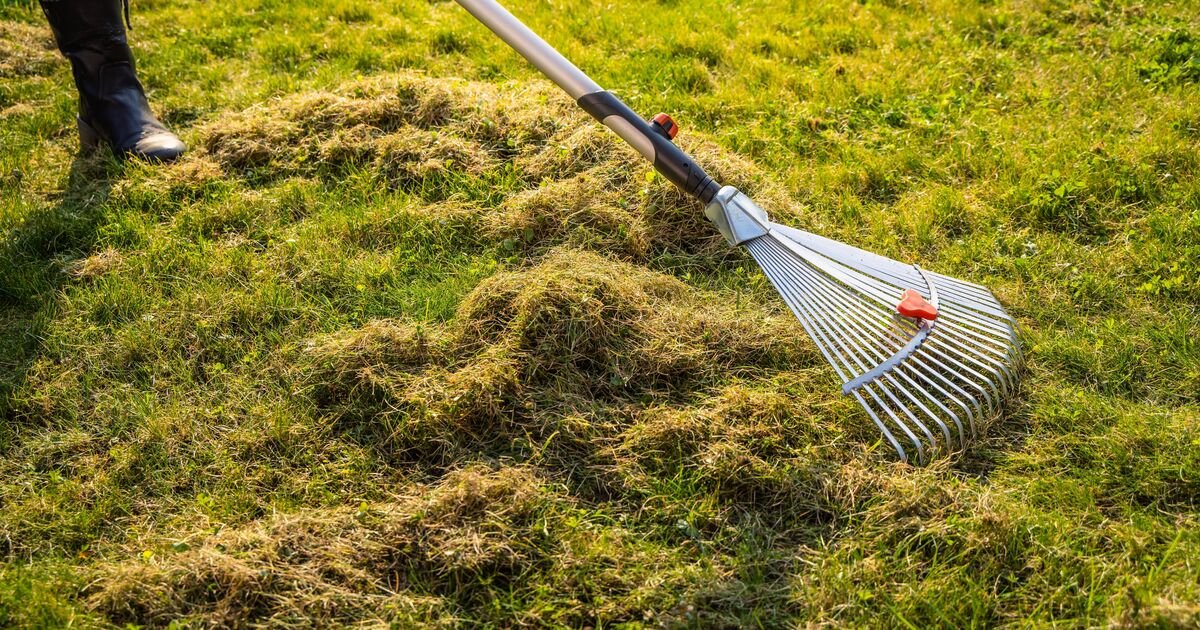
After a few days of letting the solution work its magic, you will notice the moss turning brown and becoming brittle. This is exactly what you want to see. Since the moss is now dead, it is no longer competing with your grass for nutrients or space.
At this stage, you can grab a rake and easily clear the debris. By removing the dead moss, you are essentially opening up the soil, allowing light and air to reach the grass roots. This small effort provides the perfect environment for your lawn to recover and thicken up. Seeing the difference in how much cleaner and healthier the patch looks after you have cleared the dead material is incredibly satisfying.
Planning for a Greener Future
Tackling the moss problem during the winter months is a smart, proactive strategy. Because the iron sulphate alters the pH levels of the soil, it creates a surface that moss simply finds unappealing, which drastically lowers the likelihood of it making a comeback the following year. By being vigilant now, you are effectively saving yourself hours of remedial work in the spring.
Gardening is often about playing the long game. While a quick spruce-up in May might help the appearance of your lawn, addressing the underlying issues in November is what truly builds a resilient, beautiful, and envy-worthy outdoor space. So, on that next dry, crisp afternoon, grab your watering can and give your lawn the attention it deserves. Your future self will be very happy you did when those first spring blooms start to pop up against a backdrop of healthy, green grass.
Disclaimer: This content is auto-generated for informational purposes only.
Source: Read Original News