







Why Your Backyard Visitors Need a Seasonal Menu
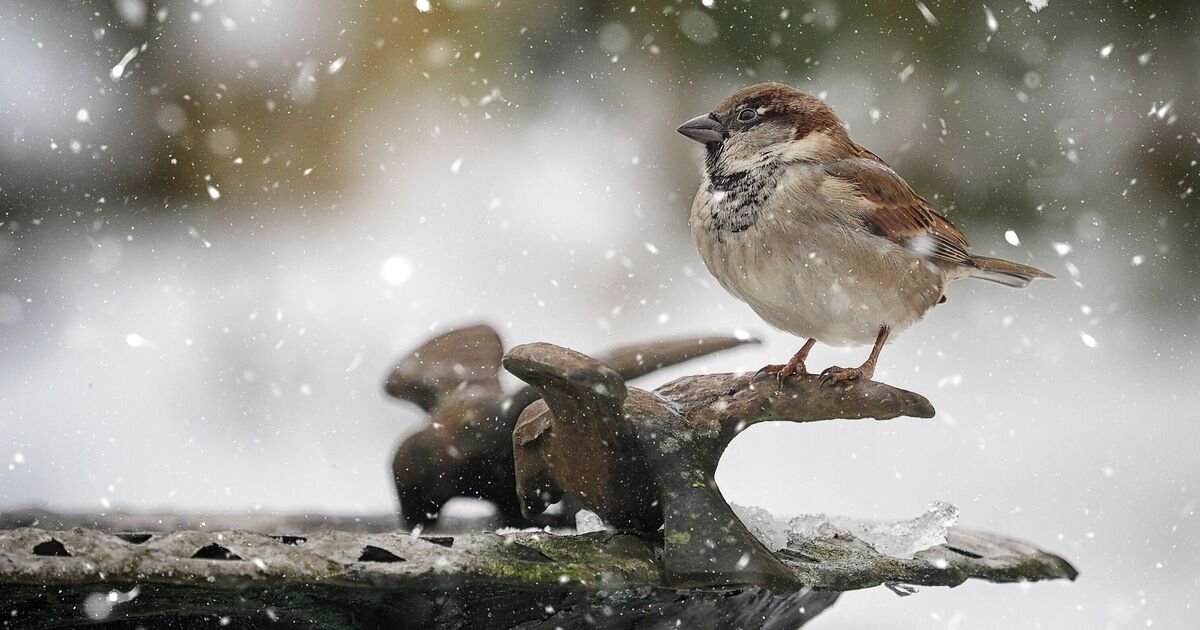
As the temperature drops and the frost starts to coat the grass, our gardens become much quieter. Yet, for the birds that stick around through the winter months, this time of year is a period of intense survival. Robins, fieldfares, and finches are now relying more than ever on the hospitality of our outdoor spaces. Natural food sources—like late-summer berries and insects—are becoming scarce, making it the perfect time for us to step in and offer a helping hand.
Updating your bird-feeding routine isn’t just about charity; it is about creating a thriving sanctuary. Just as we switch our own diets to heartier stews and warming comfort foods when the weather turns, our feathered friends require high-energy fuel to keep their body temperatures stable. By shifting your feeding habits this November, you ensure your garden remains a safe haven that keeps your neighbors chirping rather than struggling.
The Hidden Danger in the Bird Bath
While providing water is a kind gesture, it comes with a hidden catch. You may have heard of trichomonosis, a condition that sounds technical but is quite common among garden birds. It is a parasitic illness that spreads rapidly through contaminated water. When birds drink from a pool of stagnant or dirty water, or when they interact at feeders, they can inadvertently pass this parasite to others.
The impact of this disease can be devastating, leading to trouble swallowing, lethargy, and weight loss. Because this illness thrives in damp, unhygienic environments, keeping your feeding station clean is just as important as the food itself. The good news is that with a few simple tweaks to your cleaning schedule, you can drastically reduce the risk to your local bird population.
Mastering the Art of Fresh Feeding
One of the most effective ways to keep birds healthy is to manage how you serve their meals. The rule of thumb is simple: keep it fresh and keep it dry. Damp food is a breeding ground for bacteria, so avoid putting out large amounts of seed that will sit in the rain for days.
If you use seeds or peanuts, try to ensure they are finished within forty-eight hours. Suet products and mealworms have a slightly longer shelf life, but should still be rotated within a week. If you notice a pile of discarded hulls or soggy seed accumulating beneath your feeder, take a moment to clear it away. Keeping the ground clean prevents droppings and old food from becoming a source of sickness.
The Weekly Refresh Routine
It can be easy to set up a bird feeder and forget about it, but the best practice for a healthy flock is to stay mobile. The RSPB suggests moving your feeders to a different spot in the garden once every week. This simple shift stops waste and bacteria from building up in one specific patch of soil.
If you currently rely on a flat bird table or a tray, consider swapping it for a hanging feeder. Flat surfaces are much harder to keep sanitary and often become dirty quickly. Additionally, if you provide water, make it a point to swap it out for fresh tap water every single day. Using fresh tap water is a great preventative measure, as it is far less likely to harbor the parasites found in pond or rain water.
Building a Winter Feast
So, what should be on the menu this month? Focus on high-fat, high-energy items. Suet pellets, cakes, and balls are excellent for providing the calories birds need to survive a freezing night. Sunflower hearts and nyjer seeds are also top-tier selections that provide essential fats.
If you want to get creative, don’t be afraid to add a bit of natural variety. Dried fruits, such as raisins or currants, are a welcome treat, and slices of apples or pears can be placed on a clean surface for those birds that prefer to forage. By keeping your feeders stocked with this variety, keeping them clean, and moving them frequently, you turn your garden into a winter fortress. Your small, feathered guests will thank you with their presence throughout the entire season.
Disclaimer: This content is auto-generated for informational purposes only.
Source: Read Original News