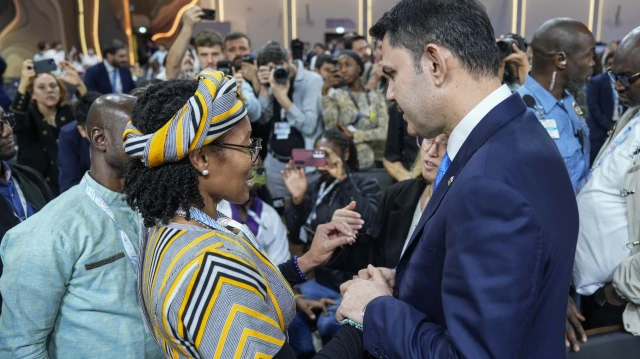









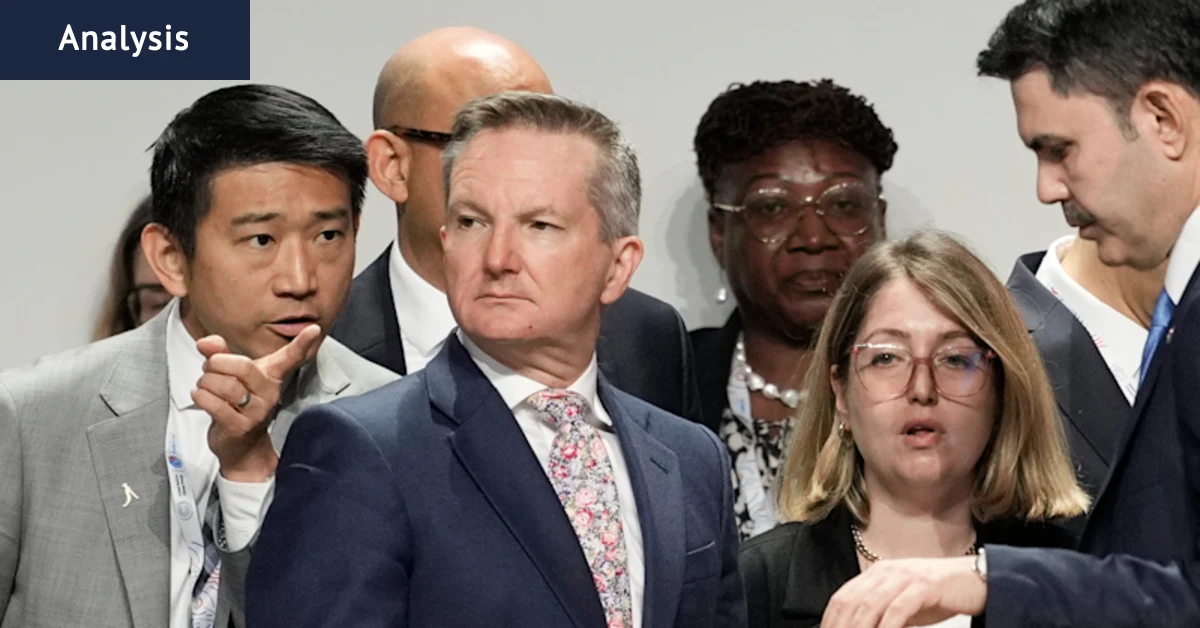
The international climate negotiation process has reached a breaking point, culminating in a collapse of proceedings at the 31st Conference of the Parties (COP) in Turkey. The event, intended to be a landmark gathering, instead ended in discord and mutual recrimination, leaving the future of global climate policy in a state of deep uncertainty.
At the center of the fallout was Australia’s Climate Change and Energy Minister, Chris Bowen, who served as a president of negotiations for the summit alongside Turkey’s Environment Minister, Murat Kurum. As the talks in Antalya drew to a close, Bowen acknowledged that the geopolitical environment surrounding the summit was the most fraught in living memory, ultimately leading to “unbridgeable red lines.”
The tension reflected a deepening divide between nations committed to urgent climate action and a coalition of oil-producing states determined to prevent explicit language regarding the phase-out of fossil fuels. The impasse became clear when the European Union, led by Ireland’s Environment Minister Darragh O’Brien, categorically rejected a draft of the proposed “Antalya Pact.”
“We will not endorse a cover decision, or an Antalya Pact, that does not even mention fossil fuels, which is the key driver of climate change,” O’Brien stated during the plenary.
Bowen had championed the creation of the Antalya Pact, viewing a binding, overarching agreement as essential to providing momentum and structure to global climate goals. However, critics argue that his insistence on a formal “cover decision”—combined with a draft document that failed to address the core issue of fossil fuels—effectively invited the confrontation. Observers noted that while Bowen promised transparent negotiations, his strategy left him exposed, particularly as the diplomatic influence of the United States—historically a key mediator in such disputes—has significantly waned.
Saudi Arabia led the bloc of nations that successfully blocked any mention of fossil fuels in the final text, arguing that such language was redundant following agreements made at the 2023 Dubai summit. Conversely, many nations pointed to the accelerating impacts of climate change and the reality that the world is currently on a trajectory to overshoot the 1.5-degree Celsius warming target established by the Paris Agreement.
While Bowen highlighted a voluntary pledge on electrification signed by 90 nations as a key success, the broader failure to secure a unified agreement has left the legitimacy of the COP process in question. Christiana Figueres, one of the primary architects of the Paris Agreement, offered a different perspective on the collapse. “More than 130 countries refused to sign a deal that would have belied the true state of our crisis,” she said, characterizing the rejection as a victory for scientific integrity and justice over a compromised, empty agreement.
The aftermath of the Antalya summit now poses a significant political challenge for the Australian government, which invested $150 million in the effort. The failure is expected to provide ammunition to populist movements that oppose coordinated climate action and will likely be welcomed by oil companies looking to maintain the status quo.
As the dust settles, the fundamental challenge remains: global climate impacts continue to intensify, and the divide between fossil fuel-reliant economies and those demanding radical transitions appears wider than ever. The collapse in Turkey serves as a stark reminder that as the costs of climate change rise, the traditional model of seeking consensus at international forums may no longer be sufficient to meet the scale of the crisis.
Disclaimer: This content is auto-generated for informational purposes only.
Source: Read Original News