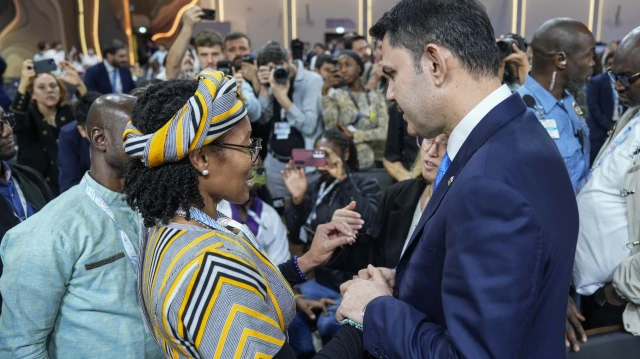








The international climate negotiation process has reached a breaking point. Following years of mounting tension between the urgent scientific necessity for climate action and the resistance of oil-rich nations, the 31st round of UN climate talks in Turkey concluded in discord and recrimination this weekend.
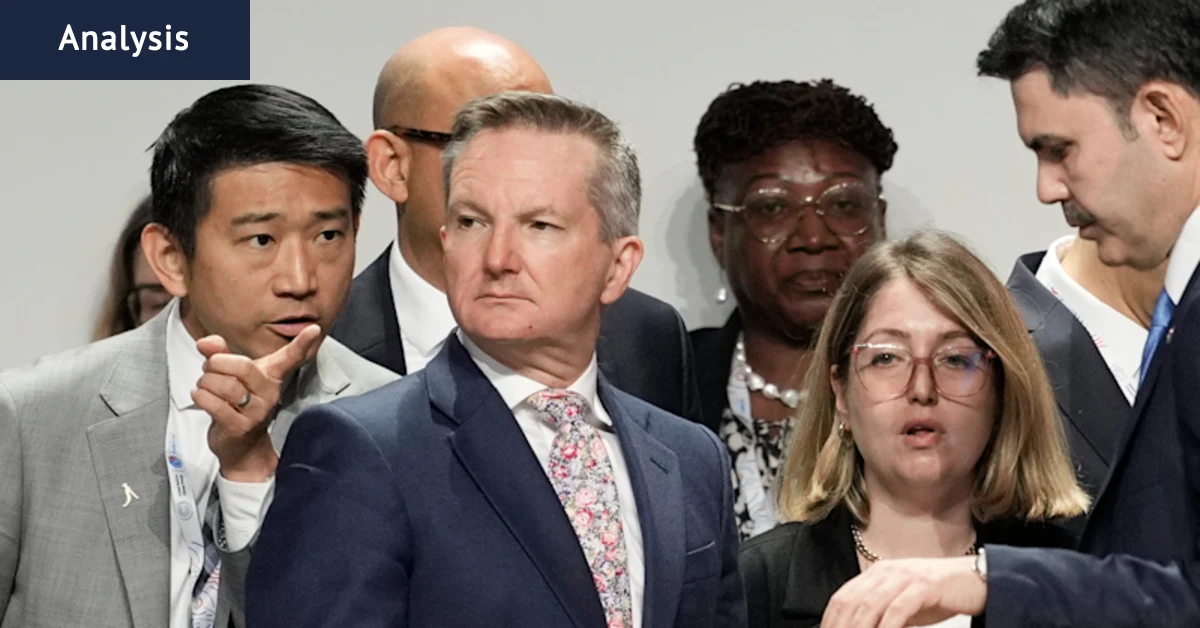
The collapse of the summit, known as COP31, left Australia’s Climate Change and Energy Minister, Chris Bowen, at the center of the diplomatic fallout. Having taken on the role of “president of negotiations” to work alongside Turkey’s Environment Minister Murat Kurum, Bowen found himself in the crosshairs as the summit’s attempt to secure a landmark “Antalya Pact” dissolved.
“Australia left nothing on the field, trying to find solutions to reach what I now see as unbridgeable red lines,” Bowen said shortly after leaving the final plenary session. He characterized the summit as occurring within the “most complicated and fraught geopolitical environment in living memory.”
The failure was not merely a result of broader global tensions but was exacerbated by the procedural choices of the summit’s leadership. While the intention was to drive momentum through a comprehensive cover decision, the decision to force a final agreement created a high-stakes collision on the summit floor. Observers noted that the dual-presidency structure—coupled with language barriers—hampered the agility required during the final, frantic hours of negotiation.
The breakdown became inevitable when Ireland’s Environment Minister, Darragh O’Brien, rejected the proposed agreement on behalf of the European Union. “We will not endorse a cover decision, or an Antalya Pact, that does not even mention fossil fuels, which is the key driver of climate change,” O’Brien stated, signaling a refusal to participate in what many delegates viewed as the “greenwashing” of the crisis.
This position was directly opposed by a bloc led by Saudi Arabia, which refused to endorse any document that explicitly called out fossil fuels, arguing that the issue had been settled in previous rounds. While such debates were common in earlier summits, the context of 2026 has shifted; with the world now firmly in an “overshoot” of the Paris 1.5-degree target, many nations felt that a non-committal agreement was no longer acceptable.
“I think the 1.5 overshoot, combined with the climate impacts that we’re seeing around the world, really increased the ambition of some parties,” Bowen admitted. “But that made those red lines irreversibly irreconcilable.”
The absence of a robust US diplomatic presence—a traditional force in mediating between oil-producing nations and those demanding more ambitious action—left a vacuum that ultimately proved fatal to the proceedings. While Bowen pointed to modest successes, such as a voluntary pledge on electrification signed by 90 nations, the failure to secure a unified, ambitious cover decision casts a long shadow.
Some climate advocates have framed the collapse as a necessary correction. Christiana Figueres, one of the architects of the Paris Agreement, praised the outcome for different reasons, noting that more than 130 countries chose to reject an insufficient deal rather than compromise on the science. “Today nations stood up for what science and justice demand,” she said.
However, the failure carries significant political weight. It provides ammunition for populist movements seeking to dismantle coordinated climate action and offers a victory to global fossil fuel interests. As the dust settles in Antalya, the focus shifts to how the international community will reconcile its deepening divisions as global temperatures and the economic costs of climate change continue to rise. For the Australian government, the focus will now turn to defending the $150 million investment in these negotiations, which yielded no landmark treaty.
Disclaimer: This content is auto-generated for informational purposes only.
Source: Read Original News