








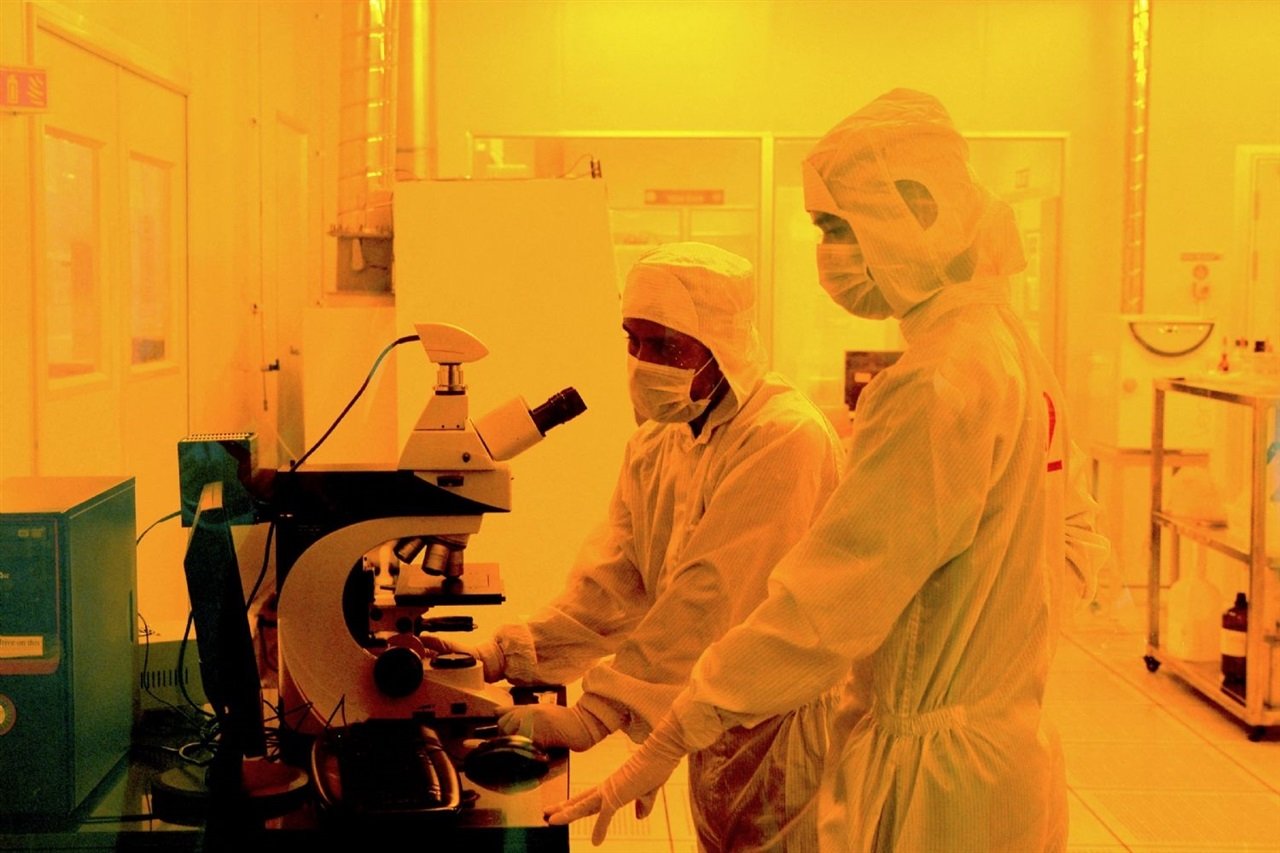
India’s Semiconductor Ambition: High Stakes, Higher Hurdles
India is aggressively positioning itself as a global semiconductor powerhouse, leveraging a mix of heavy subsidies, localized research initiatives, and strategic manufacturing incentives. By positioning itself as a “China Plus One” alternative, New Delhi aims to integrate deeply into the global chip supply chain. However, as the government pours billions into these ventures, a complex web of structural challenges—ranging from technical manufacturing complexities to a high-profile customs dispute—threatens to temper the nation’s soaring technological aspirations.
The Push for Localization
The cornerstone of India’s strategy is the Semicon India Program, which offers significant fiscal support for companies setting up fabrication units and assembly, testing, marking, and packaging (ATMP) facilities. Beyond capital expenditure support, the government is focusing on the “localization of equipment.” By encouraging domestic firms to build the specialized machinery required for chip production, policymakers hope to reduce the dependency on expensive imports from East Asia and the West.
Recent research collaborations between top-tier academic institutions and private industry players aim to foster a skilled talent pipeline. This bottom-up approach is intended to ensure that India does not just become a site for low-end assembly, but a hub for high-value research and development (R&D) in silicon design and advanced materials.
The Cloud of Uncertainty
Despite this optimism, the path toward semiconductor sovereignty is fraught with friction. A major point of contention currently roiling the industry is a significant customs duty dispute. Several multinational players have flagged that complex, inconsistent, and often retroactive tax structures on imported capital equipment create a precarious investment environment. For companies operating on razor-thin margins and long gestation periods, tax instability is a primary deterrent.
Furthermore, industry analysts have noted a growing “customer skepticism.” While the Indian government has courted major global chipmakers, many of these firms remain wary of the country’s infrastructure gaps. Reliable electricity, a stable water supply, and a seamless logistics chain—all critical for the highly sensitive environment of a wafer fabrication plant—are currently being built out, but they are not yet fully matured to the level of incumbents like Taiwan or South Korea.
Manufacturing Hurdles and Long-Term Viability
The technological leap required to go from basic assembly to cutting-edge logic chips is immense. Critics point out that India’s current focus remains heavily skewed toward legacy nodes (mature chip technology) rather than the advanced sub-7nm chips that power modern AI and high-end consumer electronics. While mature nodes are essential for automotive and industrial applications, they do not carry the same geopolitical or economic weight as advanced processors.
Moreover, the manufacturing ecosystem requires a vast network of chemical suppliers, specialized gas providers, and ultra-high-purity infrastructure. Building this from scratch in India requires not just capital, but years of institutional knowledge and industrial synergy. Without a robust local supplier ecosystem, even a state-of-the-art factory risks becoming an isolated “island” of production, vulnerable to global logistics disruptions.
The Path Forward
The roadmap for India’s semiconductor mission is bold, but it is currently in a “make-or-break” phase. To succeed, New Delhi must balance its ambitious fiscal incentives with regulatory clarity. Resolving the ongoing customs disputes and streamlining the bureaucratic hurdles for setting up specialized industrial zones will be as crucial as the subsidies themselves.
India’s vision of becoming a global chip destination is technically feasible, but success will not be measured by the size of the initial investments alone. It will depend on the government’s ability to create a sustainable, predictable, and world-class manufacturing ecosystem that can withstand the cyclical volatility of the global semiconductor market. If India can bridge the gap between policy intent and on-ground execution, it stands to emerge as a critical anchor in the global technology architecture.
Disclaimer: This content is auto-generated for informational purposes only.
Source: Read Original News