








DOHA — The intense rivalry between India and Pakistan produced another volatile chapter on Sunday, as the West End Park International Cricket Stadium became the stage for a heated confrontation during the Asia Cup Rising Stars 2026 clash. While Pakistan A ultimately walked away with a 48-run victory, the headlines were dominated by a series of aggressive exchanges, centered largely around India A pacer Harshit Rana.
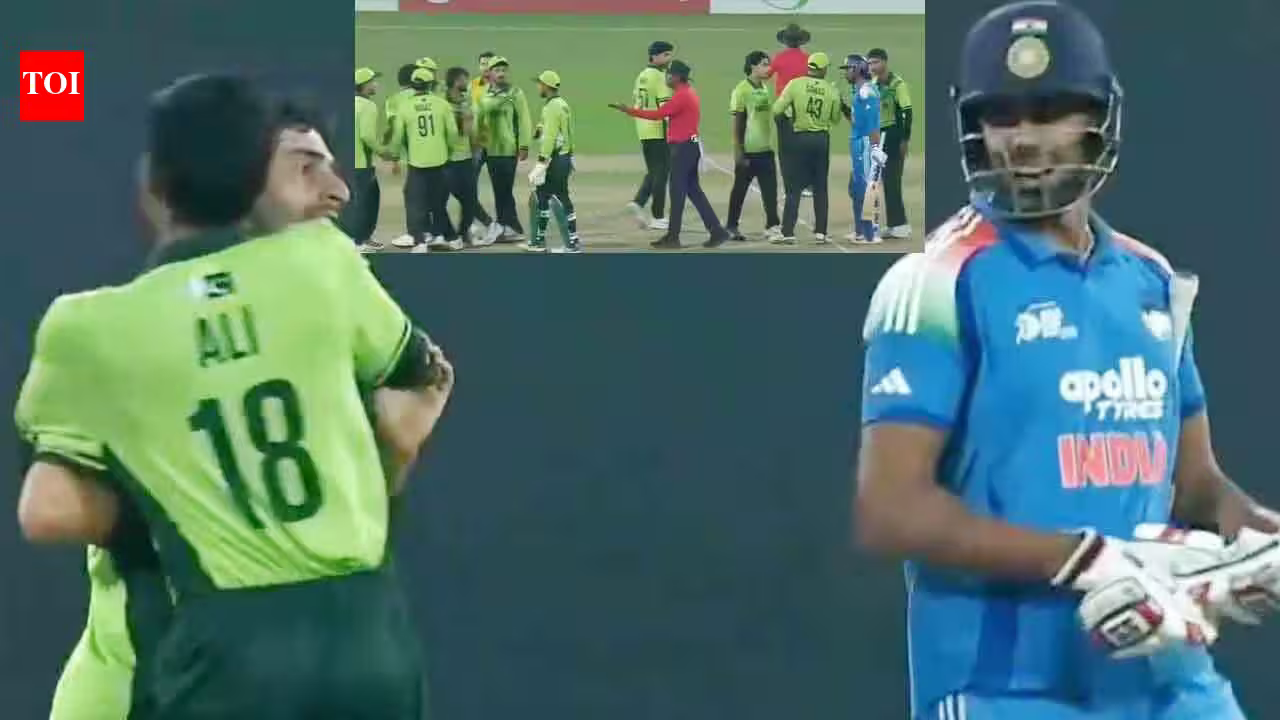
The tension, which simmered throughout the contest, reached a boiling point in the 45th over when Rana, having been dismissed for a duck, began his long walk back to the pavilion. As he navigated the field, Pakistan A spinner Sufyan Moqim intercepted his path, launching a verbal tirade that forced a physical intervention. A Pakistan teammate was seen restraining Moqim, pulling him away to prevent the altercation from escalating further as officials and players looked on in an atmosphere thick with hostility.
Rana at the Heart of the Storm
The friction was not a localized incident but rather the climax of a pressure-cooker environment that had been building since the first ball. Rana, known for his combative presence on the field, was deeply involved in the ebb and flow of the match’s temperament from the outset.
During the Pakistan A innings, Rana was frequently spotted engaging with the opposition batters. His most notable moment of aggression occurred following the dismissal of opening batter Shamyl Hussain. After the batter fell to a catch off the bowling of Ayush Badoni—a wicket for which Rana was the primary architect in the field—the Indian pacer delivered a fiery, face-to-face send-off that set an aggressive tone for the remainder of the encounter.
By the time Rana arrived at the crease, the atmosphere had become increasingly fraught. When his innings was swiftly cut short, the Pakistan side appeared ready to return the favor. Moqim’s aggressive approach as Rana exited the field signaled that the rising stars of the two nations are mirroring the intensity of their senior counterparts, where every encounter is treated as a high-stakes battle for national pride.
A Match Defined by High-Octane Performance
Away from the sparks of the confrontation, the match itself was a compelling display of skill, characterized by a formidable total from Pakistan A and a valiant, albeit insufficient, pursuit by India A.
Pakistan A’s innings was built on the back of a rapid start provided by openers Maaz Sadaqat and Shamyl Hussain. The pair set a blistering pace, accumulating 66 runs in just 7.5 overs to put the Indian bowlers on the back foot immediately. While the run rate stabilized in the middle overs, the team found a crucial anchor in the middle order. Nawaz, already an established name in Pakistan’s senior white-ball setup, played a composed yet destructive knock of 79 runs. His 82-ball effort, studded with five boundaries and four maximums, pushed Pakistan to a daunting total of 313 before they were eventually bowled out.
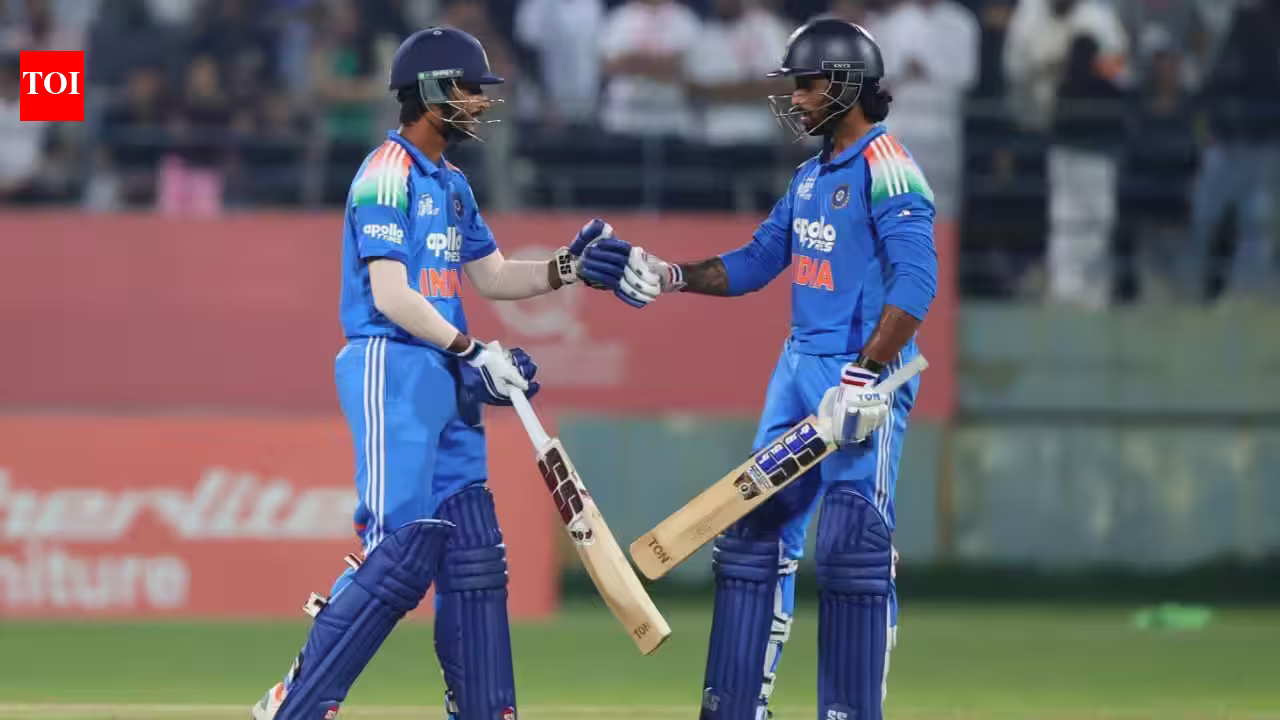
Facing a challenging target of 314 on a surface that offered assistance to the bowlers, India A required a cohesive unit performance. They found hope in the form of captain Tilak Varma and the explosive Abhishek Sharma.
The Valiant Chase Falls Short
The Indian pursuit was defined by the contrasting styles of Varma and Sharma. While Varma played the role of the master tactician, crafting a measured century that kept India in the game, it was Abhishek Sharma who provided the necessary firepower. Sharma’s 70-run outburst was a masterclass in aggressive stroke play; he dismantled the Pakistan bowling attack during his 42-ball stay, clearing the ropes six times and finding the fence on six other occasions.
However, the departure of Sharma acted as a catalyst for a collapse in the Indian middle and lower order. With the scoring rate dipping, the pressure mounted on Varma, who found little support from the remaining batters. As the required run rate climbed, the Indian wickets tumbled with regularity. Pakistan’s bowling unit, buoyed by their early psychological victories, maintained their discipline, eventually bowling India A out for 265.
The defeat leaves India A with significant tactical questions to answer, but the talking point in the aftermath of the match remains the conduct of the players. With the rivalry between these two nations often serving as the litmus test for temperament, the incidents in Doha will likely draw the attention of tournament officials. For now, Pakistan A celebrates a significant victory, while India A is left to reflect on a match where, despite flashes of individual brilliance, the collective fire proved too difficult to handle.
Disclaimer: This content is auto-generated for informational purposes only.
Source: Read Original News