








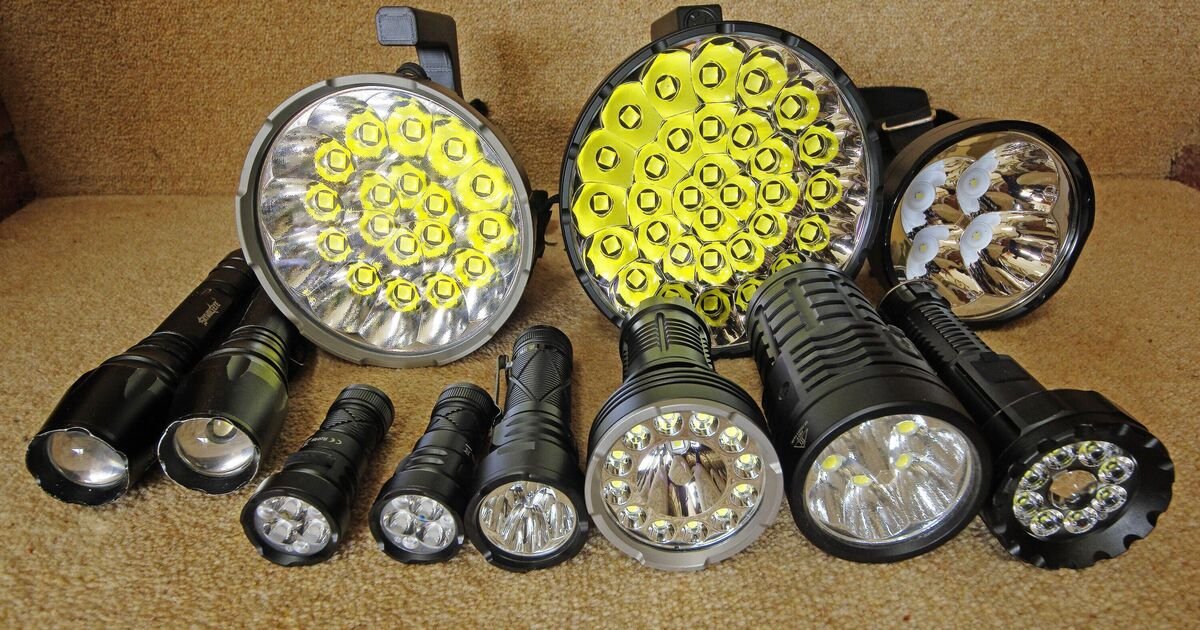
Preparing for unexpected disruptions at home has become a frequent topic of conversation, and for good reason. Whether it is severe weather or a sudden power outage, being ready is about peace of mind. While most of us have a junk drawer filled with mismatched cables and dead batteries, the recent advice from official sources suggests it is time to get a bit more intentional about our household emergency kits. Central to this preparation is the humble torch. It might seem basic, but there is a surprising amount of nuance to choosing the right lighting for a blackout.
Why Candles Are Not the Answer
For generations, the instinct during a power cut was to reach for a box of matches and a few candles. While they provide a cozy glow, they are far from the most practical or safe solution in an emergency. Open flames represent a fire risk, especially if you have pets, children, or are navigating a cluttered room in the dark. Furthermore, a candle only illuminates a tiny radius.
Modern LED torches have changed the game completely. They are long-lasting, significantly brighter, and far safer to leave running while you focus on other tasks. By making the switch to battery-powered lighting, you remove the unnecessary risk of accidental fires, allowing you to focus on keeping your household calm and functional until the lights come back on.
The Case for Hands-Free Lighting
When the power goes out, you rarely just sit still. You might need to check the fuse box, prepare a snack for the kids, or locate a first-aid kit. This is why a handheld torch, while essential, should not be your only source of light.
Investing in a head torch is a game-changer. By strapping the light to your forehead, you gain total freedom of movement. It feels a bit like a piece of utility gear, but the convenience of having both hands available for cooking or comforting a family member is unmatched. Think of a head torch as your primary tool for productivity, while handheld torches or lanterns serve as great sources for lighting up an entire room. Having a mix of these tools ensures you are never fumbling in the dark while trying to perform basic tasks.
Prioritizing Reliability Over Flashiness
It is tempting to look for the most powerful, tactical-looking torch on the shelf. However, you should resist the urge to buy the brightest item available. In an indoor setting, a super-high-lumen beam can be blinding and actually make it harder to see. Instead, look for models with adjustable brightness settings. Being able to dim the light helps preserve battery life and prevents the glare from becoming a distraction.
Furthermore, consider the power source carefully. While rechargeable gadgets are great for daily use, they can be a liability during an extended outage where electricity is unavailable. It is wise to keep at least a few torches that run on standard, replaceable batteries. Keep a stash of fresh, non-expired batteries in your emergency kit and check them periodically to ensure they are still in working order. A rechargeable torch is a great secondary tool, but always have a battery-operated backup on hand.
Strategic Placement and Quantity
One common mistake is having a single, powerful torch hidden in a remote cupboard. If the power fails at night, you do not want to be navigating stairs in total darkness to find your light source. A smart strategy is to have a dedicated torch for every person in the household, ideally stored in bedside drawers or near frequently used areas like the kitchen.
Consider a “room-filling” approach as well. A lantern that can sit on a table is perfect for lighting a shared space, such as the living room or kitchen table, while everyone sits together. If you have several family members, having everyone equipped with their own light source makes it much easier to move around independently without relying on a single, shared beam. By keeping your lighting distributed throughout the house, you ensure that no one is ever left in the shadows, no matter where they are when the power cuts out. Staying prepared does not have to be a major project; it is simply about making small, sensible choices today that will make life significantly easier tomorrow.
Disclaimer: This content is auto-generated for informational purposes only.
Source: Read Original News