







The Strategic Nexus of Energy Security and Global Trade Policy
The global energy landscape is currently undergoing a period of profound restructuring, driven by geopolitical tensions and shifting alliances. For India, the third-largest consumer of crude oil in the world, energy security is not merely a macroeconomic priority; it is a fundamental pillar of national stability. Recent legislative developments in the United States, which empower the executive branch to impose tariffs of up to 100% on nations purchasing Russian energy, have introduced a significant variable into the bilateral trade discourse between Washington and New Delhi. As the Indian government begins its assessment of these measures, the situation highlights the complexity of navigating domestic growth requirements against a backdrop of intensified international sanctions.
India’s decision to increase its intake of Russian crude oil following the conflict in Ukraine was largely a pragmatic response to market volatility. By diversifying its energy basket and leveraging discounted pricing, India effectively shielded its consumers from the hyper-inflationary pressures observed in other emerging economies. However, this shift has drawn the scrutiny of Western policymakers who view energy revenue as a primary lifeline for the Russian state. The proposed US legislation represents an attempt to bridge the gap between diplomatic signaling and economic enforcement, placing India at the center of a complex international challenge.
Assessing the Regulatory Framework of the Proposed Tariffs
It is crucial to note that the passage of legislation in the US House of Representatives does not imply an automatic or immediate imposition of punitive tariffs. The bill serves as an enabling mechanism, granting the US President discretionary authority to apply levies of up to 100% on goods originating from countries that maintain significant energy trade with Russia. From a business and policy standpoint, this creates a state of legislative “watch and wait.”
For Indian policymakers, the focus lies on the specific language surrounding potential waivers and exemptions. The nuances of the bill suggest that the US administration maintains the flexibility to negotiate conditions under which these tariffs might be mitigated or waived entirely. For India, which has consistently communicated that its energy procurement is based on national interest and affordability, the key objective is to ensure that its sovereign right to energy security is recognized within the framework of its strategic partnership with the United States. The challenge for the Indian Ministry of Commerce and Industry is to engage in proactive diplomacy that aligns the legislative goals of Washington with the non-negotiable reality of India’s energy consumption patterns.
Impact on Bilateral Trade and Economic Diplomacy
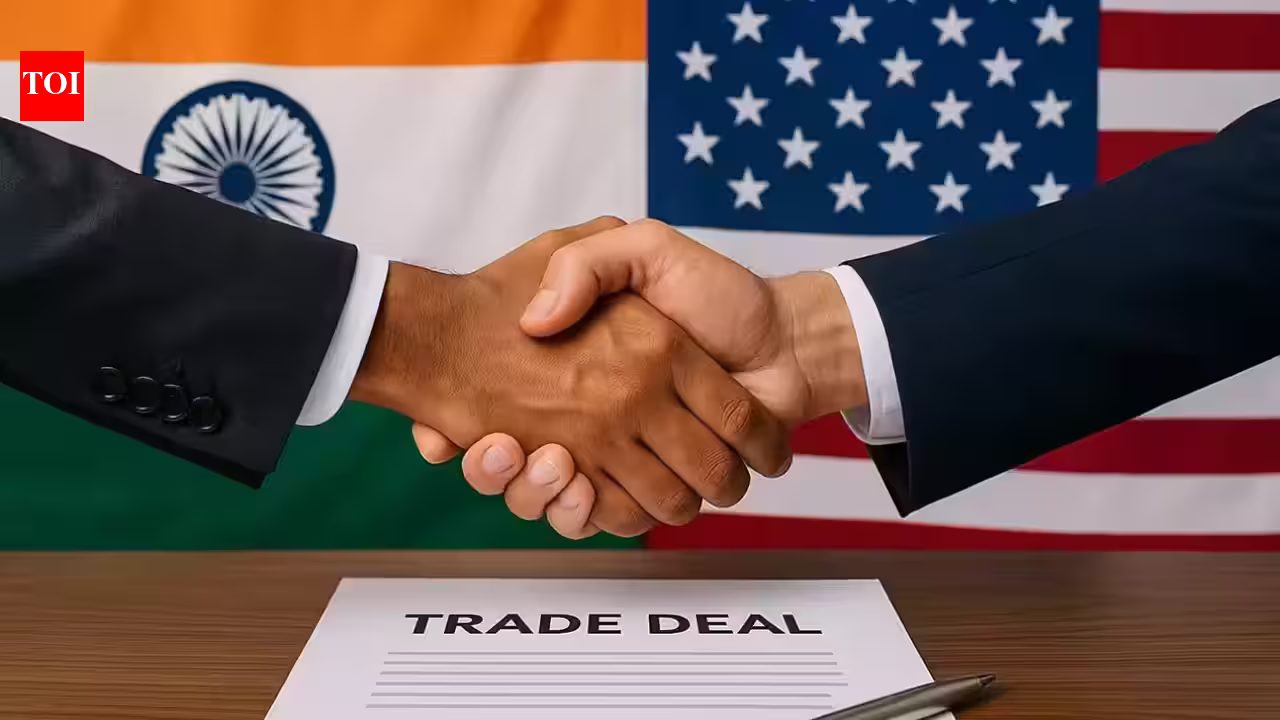
The timing of this legislation is particularly sensitive, as it coincides with ongoing efforts to deepen the economic integration between India and the US. Both nations have worked extensively to resolve legacy disputes and foster an environment conducive to investment and technology transfer. The introduction of potential tariff threats introduces a layer of uncertainty that could complicate these negotiations.
India’s approach to this issue is defined by a commitment to a “balanced and mutually beneficial” trade relationship. The Ministry of External Affairs has reiterated that while India values its relationship with the US, it remains steadfast in protecting its economic interests. The risk here is two-fold: the direct economic impact of potential trade barriers on Indian exports and the indirect cost of diplomatic friction. If the US were to utilize its new tariff powers aggressively, it could destabilize sectors such as pharmaceuticals, textiles, and technology services, where the US remains one of India’s most significant export destinations. Consequently, business leaders are watching for signs of a structured dialogue that prevents these sanctions from evolving into a broad-based trade conflict.
The Imperative of Energy Diversification
India’s reliance on imported energy—standing at over 85% for crude oil—dictates a foreign policy that prioritizes reliable and cost-effective procurement. The shift away from traditional Gulf-based suppliers toward Russian crude has been a strategic realignment necessitated by the need to stabilize domestic fuel prices. While this decision has been criticized by some Western actors, India has consistently maintained that its actions are driven by a national responsibility to ensure uninterrupted energy supply to a growing population.
Moving forward, the Indian energy sector is likely to focus on further diversifying its import origins to mitigate the risk of over-reliance on any single region or supplier. This includes increasing long-term contracts with producers in the Middle East, expanding exploration and production in domestic fields, and accelerating the transition toward sustainable and renewable energy sources. While these measures offer long-term stability, they do not resolve the immediate pressure posed by the potential US tariffs. Thus, the current focus remains on ensuring that Indian energy sourcing does not become a hurdle in the larger agenda of Indo-US economic cooperation.
Navigating Global Realignment
The opposition from both Moscow and Beijing regarding the new US legislation underscores the broader geopolitical implications of these tariffs. By framing such measures as “unfriendly actions” or instances of “long-arm jurisdiction,” these nations are signaling a pushback against the use of the US financial and trade system as a tool of foreign policy coercion. For India, being positioned in the middle of these competing spheres of influence requires a high degree of strategic autonomy.
Indian businesses and policymakers are currently analyzing the details of the US legislation to determine its practical implications for supply chains and trade compliance. The prospect of punitive tariffs forces firms to adopt more rigorous risk-assessment protocols, particularly regarding the provenance of energy and raw materials. In the long run, the current impasse may necessitate a formalizing of energy trade terms that satisfy US transparency requirements without compromising India’s access to affordable resources.
Ultimately, the goal for India is to maintain its trajectory of rapid economic growth while managing the external pressures of a volatile global order. The ability to navigate these tariff threats will depend on India’s capacity to leverage its position as a critical market and a strategic partner, ensuring that the dialogue with the US remains focused on long-term cooperation rather than short-term sanctions. The upcoming months will be defined by intensive diplomatic negotiations aimed at finding a middle ground that protects India’s energy security while preserving the integrity of its vital trade relationships.
Disclaimer: This content is auto-generated for informational purposes only.
Source: Read Original News