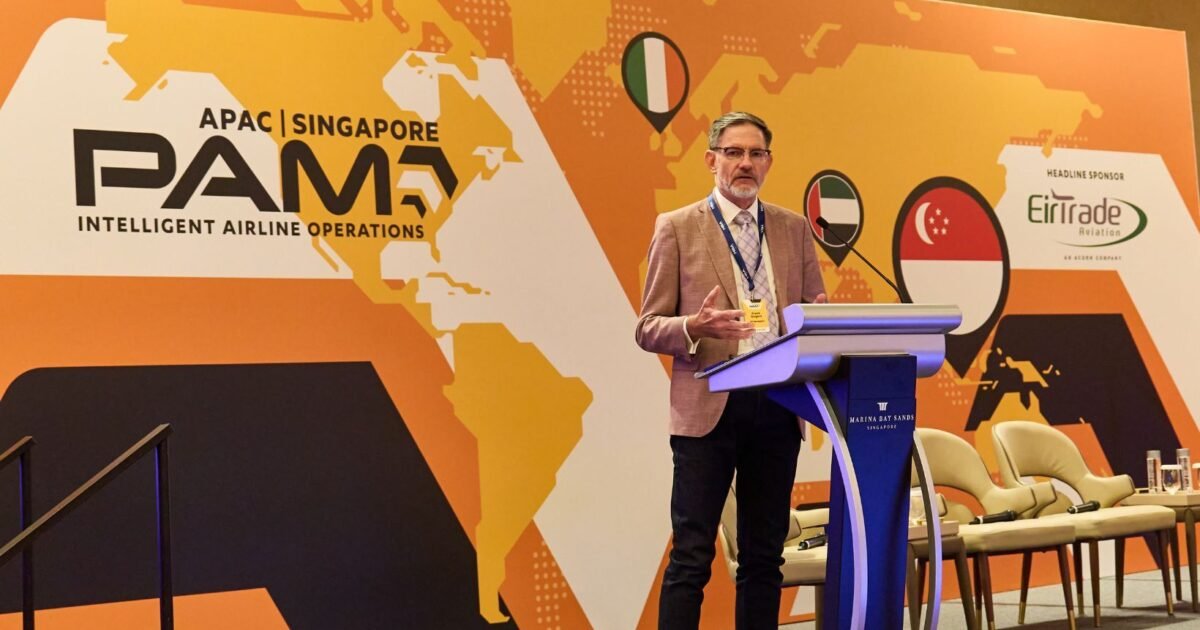









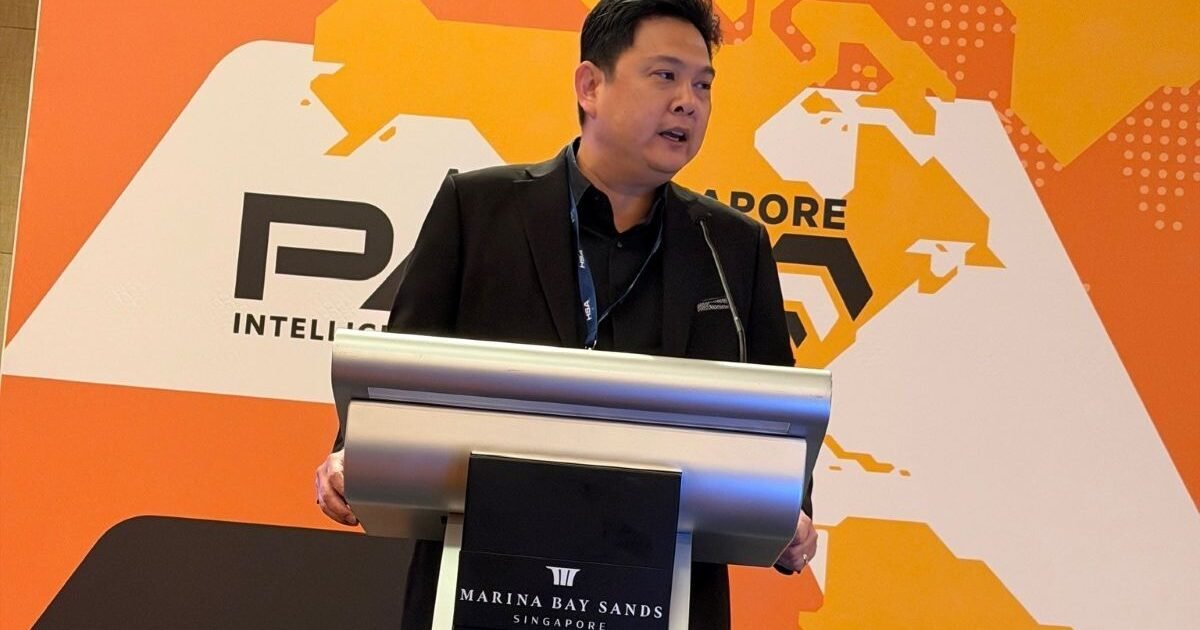
The Singapore Institute of Aerospace Engineers (SIAE) is set to revolutionize aviation supply chain management with the introduction of a new AI-powered trading system. Designed to curb the significant waste associated with expired aviation chemicals—such as specialized oils, fuels, and lubricants—the platform aims to foster a more sustainable and economically efficient ecosystem for airlines and Maintenance, Repair, and Overhaul (MRO) providers.
### Leveraging AI Agents for Inventory Optimization
At the heart of this initiative are two virtual AI agents that function in tandem to modernize how aviation businesses manage their chemical stockpiles. The first agent is tasked with the meticulous tracking of expiration dates across a company’s entire inventory, providing real-time visibility into the shelf life of essential materials. The second agent operates as a facilitator for a secondary market platform, enabling firms to list and trade chemicals that are approaching their expiration dates before they become unusable waste.
Nicholas Tan, Vice President of the SIAE, notes that this system allows operational managers to recover significant costs that would otherwise be lost to expired inventory. By shifting from traditional manual tracking to an automated, intelligent system, managers can gain predictive insights into their daily consumption rates. This allows for a higher level of inventory optimization, ensuring that resources are used efficiently rather than sitting idle until they reach their expiration limit.
### Moving from Predictive to Prescriptive Maintenance
The integration of this AI-driven trading system is part of a broader industry shift toward “prescriptive” maintenance. While predictive maintenance focuses on anticipating when a component might fail, prescriptive maintenance uses data science to determine the best course of action to prevent that failure and optimize the lifecycle of the asset.
“Airlines can make smarter decisions across the lifecycle using data science and AI agents,” Tan explained. The platform is designed to provide actionable feedback, allowing human managers to retain final decision-making authority—keeping the “human in the loop” while leveraging the computational power of AI to handle the complex logistics of chemical management. By bridging the gap between operations and finance departments, the SIAE hopes to accelerate the aviation sector’s digital transformation, allowing for more precise resource allocation across global fleets.
### Cultivating Industry Trust and Global Connectivity
While the technological architecture of the platform is straightforward, the SIAE acknowledges that the primary challenge remains cultural adoption. Within the aviation industry, trust is the foundational element that enables long-term collaboration. The SIAE is positioning this platform not just as a piece of software, but as a catalyst for a more connected and transparent maintenance sector.
Tan emphasized that the success of the initiative hinges on partnerships. By pooling data and operational experience from both airlines and MROs, the industry can solve systemic waste problems collectively. The goal is to establish a truly interconnected maintenance ecosystem, starting with a pilot program in Singapore before scaling the model across the Asia-Pacific region and beyond.
As the aviation industry faces increasing pressure to improve margins and meet sustainability targets, this AI-led approach offers a blueprint for how legacy sectors can adopt modern tech stacks to reduce waste. Through the implementation of these intelligent agents, the SIAE aims to replace isolated inventory silos with a fluid, collaborative marketplace that rewards proactive management. By fostering a climate where companies feel secure in sharing data and trading assets, the SIAE believes the aviation industry can build a more resilient and productive future, proving that even the most complex technical challenges can be solved through shared data and innovative digital collaboration.
Disclaimer: This content is auto-generated for informational purposes only.
Source: Read Original News