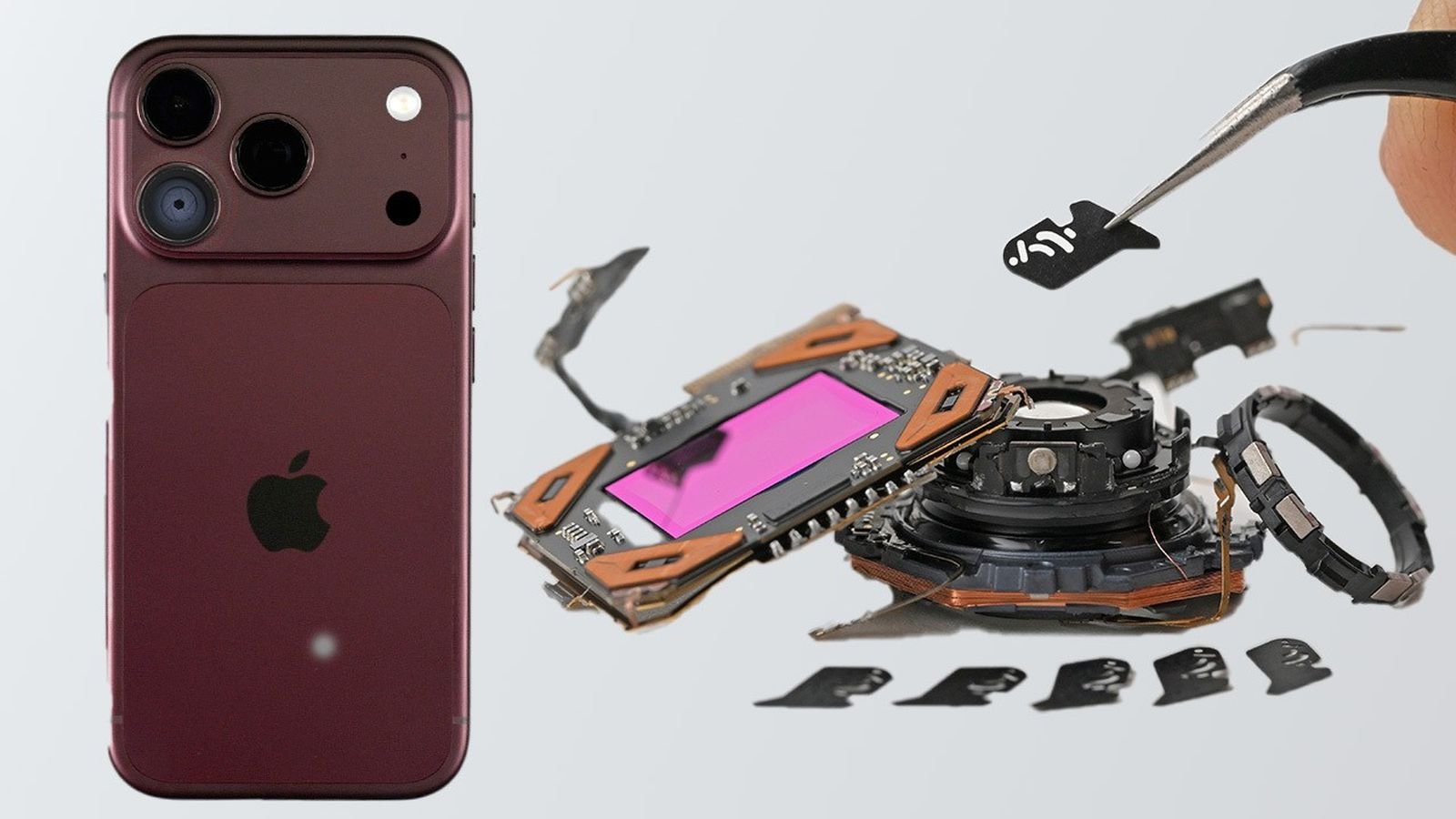









Evolving Display Metrics for the 20th Anniversary iPhone
As the smartphone industry approaches the two-decade milestone of the iPhone, industry speculation regarding the upcoming hardware has reached a fever pitch. According to recent reports emerging from supply chain sources via the leaker Digital Chat Station, the iPhone 20 Pro and iPhone 20 Pro Max are poised to introduce further refinements to display dimensions. These upcoming models suggest a strategic, albeit incremental, expansion of screen real estate compared to the current iPhone 18 Pro series.
The leaked technical specifications point to a 6.41-inch display for the standard Pro model and a 6.96-inch display for the Pro Max. When contrasted with the iPhone 18 Pro’s 6.27-inch panel and the 18 Pro Max’s 6.86-inch screen, these adjustments represent a subtle growth pattern. Crucially, the reported resolutions of 2,686 × 1,236 pixels and 2,912 × 1,340 pixels respectively indicate that Apple intends to maintain the current pixel density of approximately 460 pixels per inch. By scaling resolution in tandem with physical dimensions, Apple preserves visual fidelity, ensuring that the sharpness remains consistent as the display size increases.
The Architecture of the Borderless Design
The primary driver behind these shifting dimensions appears to be the integration of a new “borderless quad-curved” display technology. This design philosophy marks a departure from traditional flat screens that utilize a distinct metal frame to border the glass. Instead, the upcoming hardware is expected to resemble a continuous, uninterrupted slab of glass, where the curvature extends to all four sides of the device.
This approach requires significant advancements in glass manufacturing and screen lamination. By curving the display down the edges, the bezels are pushed toward the periphery, effectively hiding them from the user’s primary line of sight during normal interaction. The objective is to create a seamless visual experience that blurs the boundary between the hardware and the digital interface. This structural shift is likely why the chassis dimensions are expected to change, even if the actual viewable screen area experiences only a modest increase compared to previous generations.
Display Panel Advancements and Brightness
Beyond physical dimensions, the internal composition of these panels is undergoing a major overhaul. Sources indicate that Apple is developing thinner and more efficient OLED panels for the 20th-anniversary lineup. These advancements aim to push the boundaries of current OLED technology by improving peak brightness levels and power efficiency.
A thinner panel is essential for achieving the quad-curved aesthetic, as it allows for tighter bending radii at the edges without sacrificing structural integrity. Furthermore, improved OLED performance supports the growing demand for higher dynamic range in video playback and outdoor legibility. By refining the transistor backplane and the emissive layers of the OLED stack, Apple is working to ensure that the device not only looks more expansive but also delivers superior color accuracy and luminance compared to the 18 Pro series.
Navigating the Under-Display Camera Challenge
While the industry has long anticipated the arrival of an entirely hidden front-facing camera system, the path to implementation remains fraught with technical obstacles. The persistent challenges involve balancing the physical concealment of the camera with the necessity for high-quality light capture. An under-display sensor requires the display layer above it to be sufficiently transparent to allow photons to reach the lens, yet opaque enough to prevent the camera hardware from being visible during normal screen use.
Current test data suggests that Apple is still evaluating its options. While an under-display camera and an integrated Face ID system remain the ideal targets for an “uninterrupted” look, the current implementation of such systems elsewhere in the market often leads to degraded photographic quality. Consequently, it is possible that the iPhone 20 Pro will debut with a refined, smaller hole-punch cutout, similar to the Dynamic Island architecture seen in previous iterations. This compromise would allow Apple to prioritize imaging performance while waiting for optical technology to reach a point where light transmission through a display is indistinguishable from traditional clear glass.
Market Strategy and the Skip-Generation Approach
The decision to label these devices as the iPhone 20 represents more than a naming convention; it signifies a deliberate alignment with the 20th anniversary of the iPhone, which revolutionized the mobile market in 2007. By skipping the “19” designation, Apple is signaling a significant leap forward in design and capability, echoing the jump from the iPhone 8 to the iPhone X.
The release schedule for September 2027 follows an iterative development cycle that allows the company to polish the manufacturing processes necessary for mass-producing quad-curved glass. As the market reaches a state of saturation in terms of basic hardware performance, the focus has shifted toward screen-to-body ratios and the elimination of physical interruptions. If the rumors regarding the 6.96-inch display—which will likely be marketed as a 7-inch panel—prove accurate, Apple will have successfully pushed the physical limits of a handheld device, offering a significantly larger visual canvas without substantially increasing the total footprint of the phone. This combination of structural refinement and display innovation is expected to be the centerpiece of the 2027 flagship launch.
Disclaimer: This content is auto-generated for informational purposes only.
Source: Read Original News