





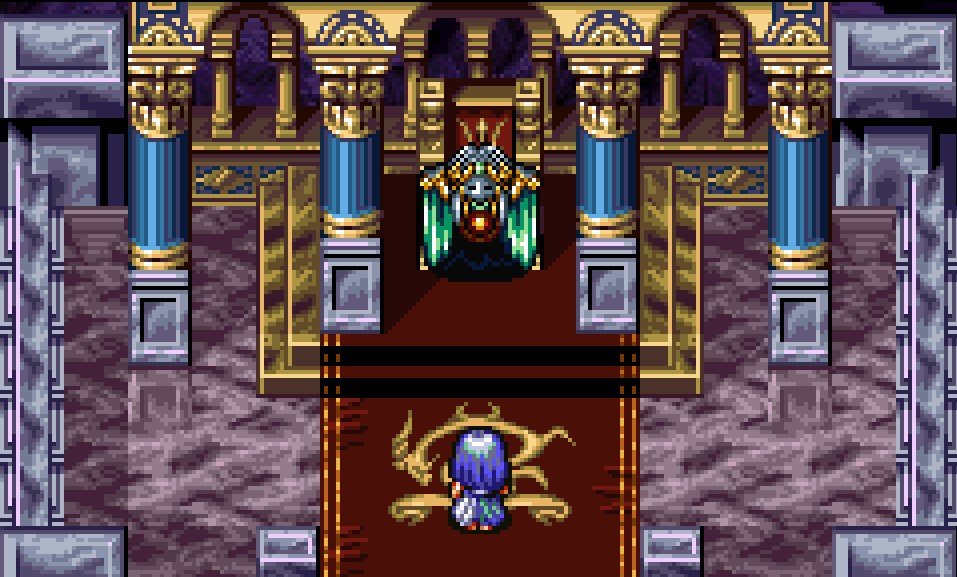
The Return of a 16-Bit RPG Legacy
The landscape of retro gaming is set to expand in 2027 with the confirmed return of two foundational titles from the 16-bit era. Clear River Games, working in collaboration with Taito, has announced the upcoming release of Lufia I & II: The Sinistrals Saga. This collection brings the original Super Nintendo Entertainment System (SNES) experiences, Lufia & The Fortress of Doom (1993) and its acclaimed prequel, Lufia II: Rise of the Sinistrals, to modern hardware.
These titles, originally developed by the now-defunct studio Neverland, are recognized for their distinct contribution to the role-playing genre during the early 1990s. The games are characterized by a generation-spanning narrative structure that follows various heroes as they combat the Sinistrals, an ethereal and god-like group attempting to seize dominion over the world. By consolidating these two entries, the release offers a comprehensive look at the historical timeline established by the series.
Core Mechanics and Gameplay Structure
At its technical heart, the Lufia series utilizes classic top-down exploration mechanics typical of the 16-bit console generation. Players navigate diverse environments, engage in turn-based combat, and manage party resources including weaponry, armor, and magical artifacts. The primary draw of the first title, The Fortress of Doom, lies in its direct approach to party-based storytelling and world exploration.
The sequel, Rise of the Sinistrals, serves as a narrative precursor that expands upon the lore of the first game. It introduced significant depth to the formula, most notably through its experimental inclusion of an early roguelike experience. This feature, often remembered for its 99-level deep dungeon, provided a high-stakes, run-based challenge that stood in contrast to the structured campaign. The inclusion of this mode in the upcoming collection remains a high point for fans who appreciate the mechanical ingenuity that defined the original SNES cartridges.
Modern Enhancements and Quality-of-Life Integration
Clear River Games has confirmed that the release will be optimized for contemporary platforms, including PC, PlayStation 5, and Nintendo Switch. While the publisher has refrained from using the term “remaster,” indicating that the core code likely remains faithful to the original releases, the announcement specifies that the games will be “enhanced for modern play.”
In the context of similar retro re-releases, this typically implies the inclusion of standardized quality-of-life features. These often include the ability to utilize save states, rewind functionality, and screen configuration settings. Such additions are critical for modern accessibility, allowing players to circumvent the more rigid saving constraints of 1990s hardware while retaining the integrity of the original pixel art and sound design. By bridging the gap between historical constraints and contemporary convenience, the collection aims to introduce these titles to a wider audience without stripping away the identity of the 16-bit architecture.
Scope of the Collection
It is important for prospective players to note the specific scope of this project. Lufia I & II: The Sinistrals Saga focuses exclusively on the two primary SNES adventures. It does not encompass the entire franchise history, specifically omitting the later iterations developed for the Game Boy Color, Game Boy Advance, and Nintendo DS platforms.
By centering the release on the original 16-bit entries, the collection serves as a direct companion to the publisher’s recent efforts in preserving classic RPG history, such as the upcoming return of the cult-classic title Terranigma. This strategic focus ensures that the release provides a cohesive experience centered on the creative peak of the Neverland studio, offering a definitive way to engage with the definitive era of the Sinistrals saga.
The Impact on Retro Archival and Accessibility
The announcement of The Sinistrals Saga contributes to a growing trend of bringing long-dormant intellectual properties back to the storefronts of modern consoles. For many players, these games were previously accessible only through original hardware or legacy secondary markets, which often suffer from physical media degradation or inflated price points.
By making these games available on modern digital and physical storefronts, the collaboration between Clear River Games and Taito acts as a digital preservation effort. It ensures that the specific design philosophies of the 90s, such as complex dungeon design and multi-generational narrative arcs, remain available for study and enjoyment. As 2027 approaches, this release will likely serve as a focal point for the preservation community, highlighting the importance of balancing historical fidelity with the technical capabilities of current-generation gaming hardware.
Disclaimer: This content is auto-generated for informational purposes only.
Source: Read Original News