




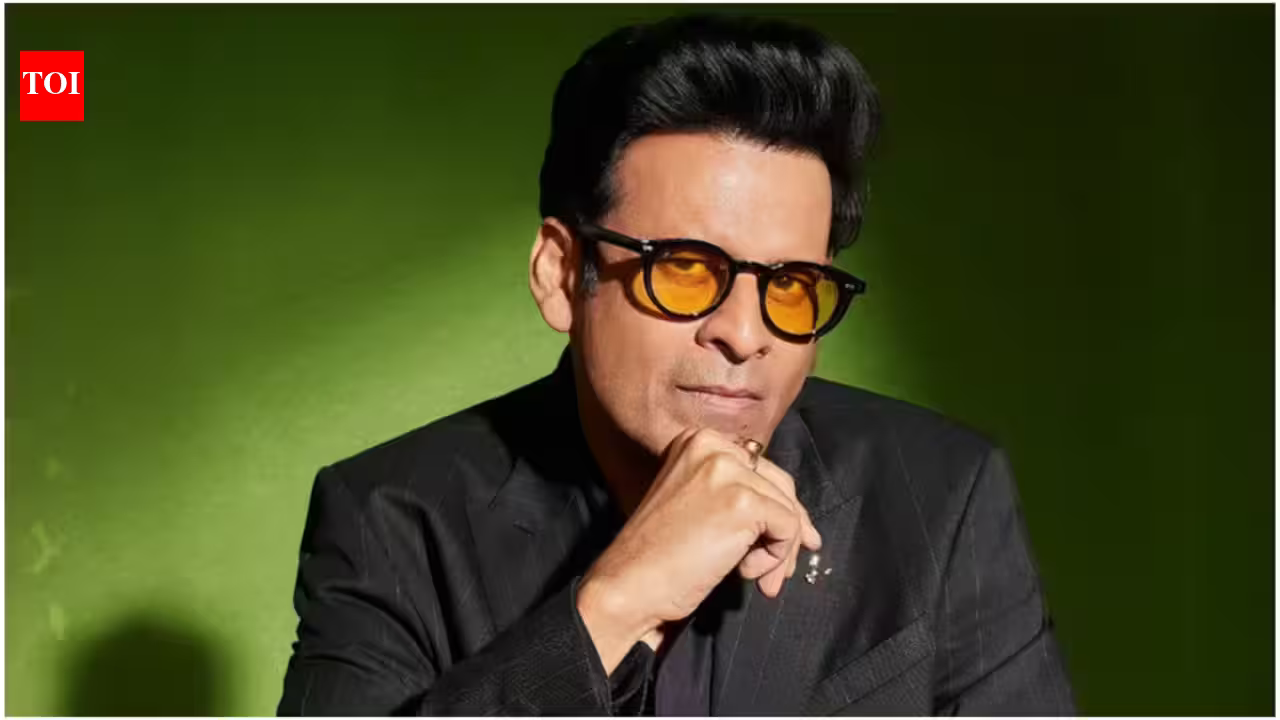
The digital Wild West has finally hit a breaking point, and one of Indian cinema’s most formidable actors is drawing a line in the sand. Manoj Bajpayee, a man whose craft is defined by an inimitable intensity and a voice that carries the weight of a thousand characters, has officially moved the Delhi High Court. The objective? To safeguard his “personality rights”—a legal frontier that is rapidly becoming the most contentious battleground for India’s A-list stars.
For decades, an actor’s greatest asset was their talent. Today, in the age of generative AI, that asset is being commodified, cloned, and commercialized by faceless entities without so much as a nod of consent. By filing this plea, Bajpayee isn’t just protecting his own brand; he is joining a growing chorus of celebrities who are realizing that in an era of deepfakes and algorithmic mimicry, their identity is the most vulnerable piece of property they own.
## The Cost of Fame in the AI Era
The specific grievances outlined in Bajpayee’s plea are as modern as they are alarming. The actor, represented by Senior Advocate Swathi Sukumar, alleges that his likeness is being harvested for unauthorized commercial gains. One particularly brazen instance involves H2PG Designs Private Limited, a company accused of using the actor’s images to falsely imply he endorsed their suits. It is the classic “impersonation for profit” trope, but amplified by the internet’s ability to circulate such claims instantly.
However, the more insidious threat lies in the technology. Bajpayee’s legal team has pointed to the terrifying precision of AI tools that can replicate his distinct voice and mannerisms. When a chatbot or a synthetic media generator can “borrow” the cadence of a Manoj Bajpayee monologue to sell a product or spread misinformation, the line between celebrity influence and digital forgery vanishes. This is no longer just about copyright; it is about the fundamental right to control one’s own persona in a virtual landscape that cares little for human agency.
## Jurisdiction and the Burden of Proof
During the brief hearing before Justice Purushaindra Kumar Kaurav, a fascinating procedural question arose: Why Delhi? For an industry stalwart primarily anchored in the Mumbai film circuit, the choice of the Delhi High Court might seem unconventional. Yet, the legal strategy is sound. Because some of the defendants are based in the national capital, the Delhi court holds clear jurisdiction.
Justice Kaurav’s reaction to the petition offered a glimpse into how overwhelmed the judiciary is becoming by these requests. The court questioned the necessity of high-level judicial scrutiny for every individual case of personality theft, hinting that perhaps a more streamlined, routine process via the Registrar could suffice. It’s a telling observation—the sheer volume of “personality right” litigation suggests that the legal system is currently struggling to keep pace with the sheer velocity of digital misappropriation. The court has now asked for a comprehensive compilation of past orders, looking for a standardized precedent to handle these identity-theft claims with greater efficiency.
## The Celebrity Precedent: An Expanding Shield
Bajpayee is far from a pioneer in this regard; he is a late arrival to a very crowded party. The Delhi High Court has effectively become the primary fortress for Indian celebrities seeking protection against digital exploitation. The roster of stars who have sought similar “blanket orders” is a veritable who’s who of the entertainment and sports worlds. From icons like Kajol and Mohanlal to stalwarts like R. Madhavan, Aishwarya Rai Bachchan, and Karan Johar, the legal consensus is shifting toward a robust recognition of personality rights.
Even beyond Bollywood, the protection extends to the world of cricket and politics, with figures like Yuvraj Singh, Sunil Gavaskar, and Shashi Tharoor securing legal shields for their image and voice. When the likes of Salman Khan and Allu Arjun feel the need to legally tether their identity to prevent unauthorized AI duplication, it is clear that the industry has reached a tipping point. The message is unanimous: your face is your property, your voice is your brand, and the law must acknowledge both as intellectual and personal assets.
## The Future of Digital Identity
As we look toward the future, the case of Manoj Bajpayee serves as a bellwether for the broader entertainment industry. The traditional contracts that defined an actor’s life—guaranteeing their presence in a film or an ad campaign—are now woefully inadequate. We are entering an era where “Right to Publicity” and “Right to Privacy” are being merged into a singular, urgent mandate: the right to digital integrity.
The legal system’s current approach, which relies on reactive lawsuits after the damage is done, is a patch on a leaking dam. The real challenge, as Justice Kaurav pointed out, is whether the courts can manage this flood of litigation without getting bogged down in the minutiae of every single AI-generated deepfake.
For the average viewer, this case highlights a sobering reality: what you see on your screen—even if it looks like your favorite star—is increasingly suspect. As Bajpayee fights to reclaim his identity from the shadows of AI algorithms, he is fighting a war on behalf of all performers. The resolution of this case won’t just impact his career; it will set the stage for how every artist, influencer, and public figure interacts with the machines that are learning to mimic them. One thing is certain: the era of the “unregulated clone” is coming to a close, and for the digital age, the law is finally starting to find its voice.
Disclaimer: This content is auto-generated for informational purposes only.
Source: Read Original News