








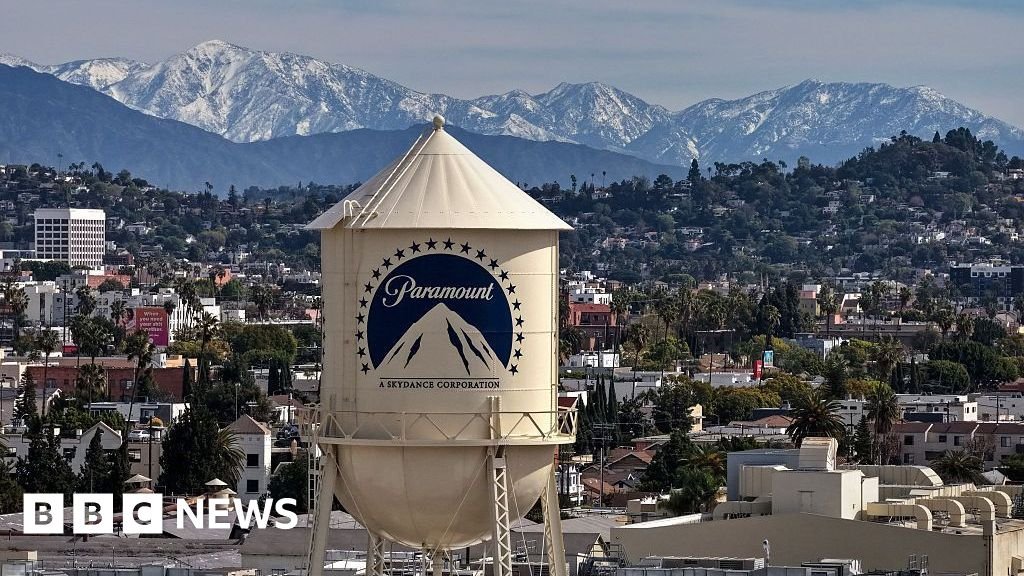
Paramount Global has officially reached a comprehensive settlement with a coalition of US states, effectively resolving a high-profile antitrust lawsuit that sought to block the company’s massive $110 billion merger with Warner Bros. The resolution marks a pivotal moment for the entertainment industry, which has been scrambling to adapt to a landscape increasingly dominated by tech giants and rapid-fire technological disruption.
The agreement comes as the media industry grapples with the existential pressures of digital transformation. While the merger was initially challenged over concerns regarding market monopolization and the potential stifling of competition, the finalized settlement signals a path forward for one of the most significant consolidation efforts in the history of broadcast and digital media.
The Intersection of Legacy Media and Tech Infrastructure
The deal is emblematic of the “streamification” of content, where traditional Hollywood studios are forced to compete head-to-head with Big Tech players like Google, Amazon, and Apple. For Paramount and Warner Bros, the merger is not just about combining movie libraries and cable channels; it is about scaling the underlying technology required to support massive global streaming platforms.
In today’s market, the infrastructure required to host high-definition video for millions of concurrent users requires deep integration with cloud services. As Paramount looks to bolster its digital footprint, it will likely lean further into modern cloud ecosystems—much like those provided by Google Cloud—to optimize content delivery networks (CDNs) and data processing. By consolidating, the newly formed entity hopes to achieve the technical efficiency necessary to retain subscribers in a market where user experience, personalized recommendations, and latency-free streaming are the primary competitive moats.
The Role of AI in Content Discovery
A significant driver behind this merger is the industry-wide push to leverage artificial intelligence to maximize viewer retention. With the combined treasure trove of intellectual property from both Paramount and Warner Bros, the challenge shifts from simply “having content” to “connecting content to the right viewer.”
Tech industry experts anticipate that the combined entity will double down on AI-driven recommendation engines, similar to those that have kept platforms like YouTube—a cornerstone of the Google ecosystem—at the forefront of digital engagement. By applying advanced machine learning models to viewing habits, the company aims to reduce “churn,” a major pain point for streaming services. Sophisticated AI tools are now essential for tagging vast libraries, predicting trend cycles, and optimizing the ad-insertion processes that fund modern ad-supported tiers.
Regulatory Hurdles and the Future of Tech Consolidation
The settlement with US states underscores a broader regulatory environment that is becoming increasingly vigilant toward massive corporate unions. As tech-forward media conglomerates emerge, regulators are paying closer attention to data privacy, advertising dominance, and the ability of smaller creators to compete on large-scale platforms.
For Google and other dominant tech players, this merger serves as a reminder of the shifting regulatory winds. With antitrust scrutiny high, all major companies—whether they are media producers or platform providers—are being forced to modernize their compliance frameworks. As the industry moves toward this new era of consolidated media, the ability to balance aggressive technological scaling with regulatory transparency will be the ultimate test of success.
By settling this lawsuit, Paramount and Warner Bros have cleared a significant hurdle, but the real work begins now. They must integrate disparate technical stacks, modernize their legacy workflows, and successfully deploy AI-powered tools to prove that this $110 billion gamble can deliver in an era where software, data, and user experience are just as important as the content itself. Investors and industry analysts will be watching closely to see if this merger acts as a blueprint for future industry consolidations or as a cautionary tale of overreach in a digital-first economy.
Disclaimer: This content is auto-generated for informational purposes only.
Source: Read Original News