








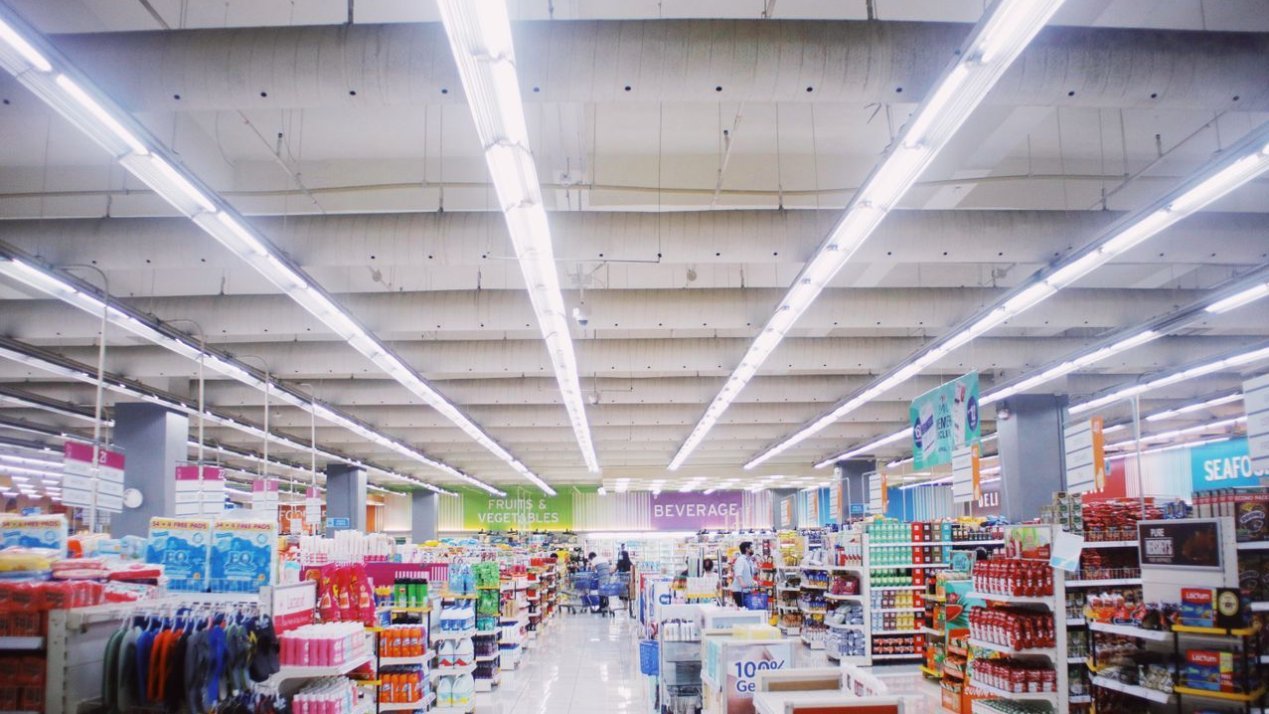
Mexico’s retail sector is currently navigating a period of strategic transition, characterized by a paradox of physical expansion and cooling labor market dynamics. While leading corporations continue to pour capital into the construction of new brick-and-mortar storefronts, the broader macroeconomic landscape reveals a softening in consumer traffic and a contraction in headcount across many major retail-linked entities.
### The Employment Landscape: A Sectoral Contraction
The most recent data from the second quarter of 2026 highlights a sobering trend within the Bolsa Mexicana de Valores (BMV) Índice de Precios y Cotizaciones (IPC). The 35 companies comprising this index reported a combined workforce of approximately 1.79 million employees, reflecting a year-over-year reduction of over 30,000 jobs.
Major retail titans, including FEMSA, Walmart de México y Centroamérica (Walmex), Liverpool, and Alsea, all recorded notable declines in their total payrolls. For instance, FEMSA’s workforce shrank by nearly 8,700 employees, while Liverpool and Alsea also saw significant headcount reductions. Chedraui remains a rare outlier, bucking the trend with a modest increase in staff. This concentration of employment—where giants like Walmart, FEMSA, and América Móvil command roughly 59% of the total IPC workforce—suggests that the retail sector’s health is tightly tethered to the operational adjustments of a few key players as they pivot toward automation and leaner business models.
### Omnichannel Integration: The Walmex Model
Despite the softer consumer environment, Walmex is aggressively pushing into the digital frontier. While the company saw a 1.1% decline in total transactions—partially due to weaker foot traffic in central Mexico—its digital performance remains a beacon of growth.
E-commerce sales for Walmex surged by 16%, with on-demand fulfillment rising by more than 21%. Crucially, the company is leveraging technology to optimize its logistics chain; nearly 70% of online orders are now delivered on the same day, with a significant fraction reaching customers within a two-hour window. By piloting 60-minute delivery services at select Bodega Aurrera and Sam’s Club locations, Walmex is mirroring the global strategy of its parent company, Walmart Inc., which has seen massive gains in U.S. e-commerce and marketplace performance. These shifts indicate that physical stores are being redefined not just as points of sale, but as vital fulfillment hubs in an increasingly tech-heavy supply chain.
### Diverging Fortunes: The Rise of Specialized Retail
Industry data from the National Association of Self-Service and Department Stores (ANTAD) for August 2026 underscores an uneven market recovery. While physical retail sales reached approximately MX$145.6 billion, the performance across formats was starkly different.
Autoservices struggled, recording a 0.7% decline in comparable-store sales, reflecting perhaps a shift in consumer spending habits or inflation-driven caution. Conversely, specialized retailers outperformed the market with a 4.1% increase in comparable-store sales, followed by department stores at 2.8%. These figures confirm that consumers are becoming more selective, favoring specialized shopping experiences that offer a blend of physical presence and digital engagement.
For investors and industry stakeholders, the message is clear: the era of blind store expansion is over. Future growth in the Mexican retail market will be determined by a firm’s ability to weave digital commerce, advanced logistics, and agile physical footprints into a unified experience. As companies integrate more sophisticated inventory management and customer data analytics, the winners in this landscape will be those who can capture the consumer across every channel, regardless of the broader labor and traffic headwinds.
Disclaimer: This content is auto-generated for informational purposes only.
Source: Read Original News