






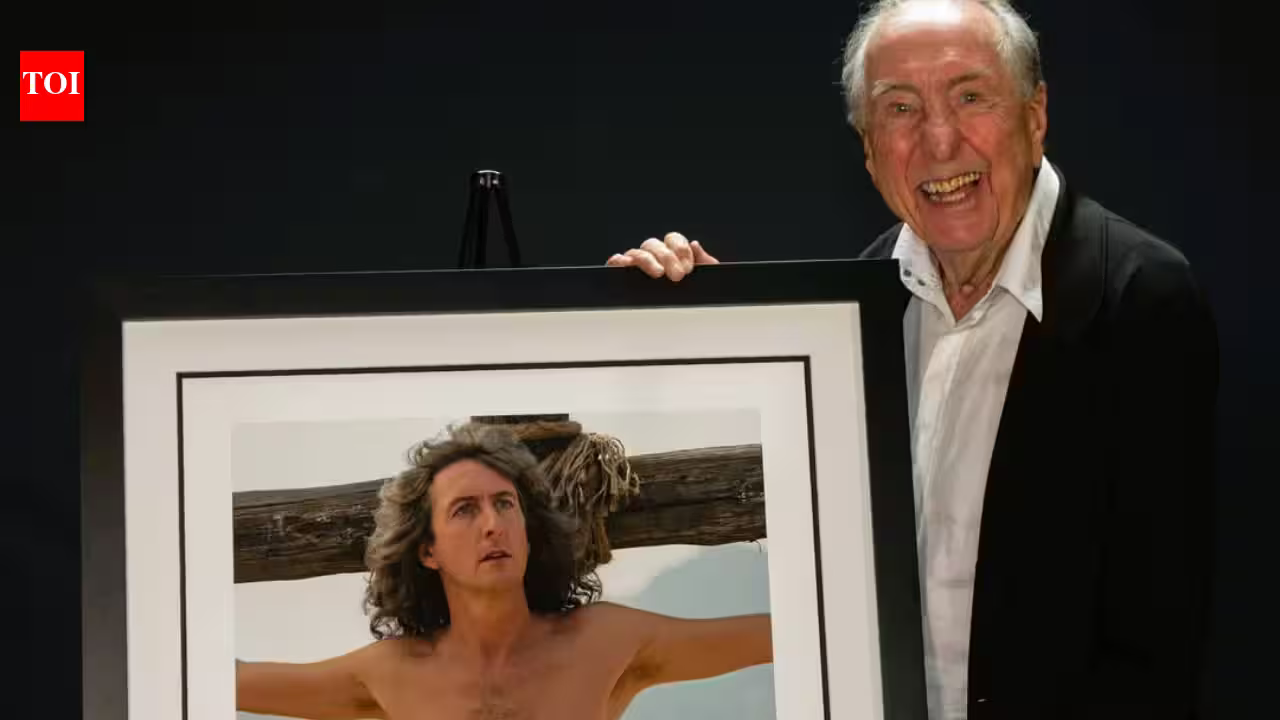


At 83, Eric Idle possesses the kind of razor-sharp, self-deprecating wit that usually belongs to a man half his age. As a founding member of the comedy troupe that fundamentally rewired the human sense of humor, Monty Python, Idle has spent decades being a professional jester. But in his latest chapter—a meditative, sun-drenched existence in the rolling hills of Provence—he is trading the spotlight for a different kind of illumination: the quiet, bracing clarity of life in the twilight.
His recent reflections, delivered with the candor of a man who has looked at the “Bright Side of Life” and found it to be both beautiful and fleeting, reveal a life far removed from the zany antics of the Flying Circus. Between his survival of a life-threatening cancer diagnosis and a deeply intimate look at his own mortality, Idle is showing us that while he may be a legend, he is, first and foremost, a survivor.
A Dark Joke Turned Reality: Surviving Pancreatic Cancer
There is something quintessentially “Python-esque” about the way Eric Idle discovered he had cancer. A year before his diagnosis, Idle was penning a musical and asked his doctor a rather specific, morbid question: What is the most certain way to kill off a character quickly? The doctor’s answer, delivered without a hint of irony at the time, was “pancreatic cancer.”
When the diagnosis eventually landed on him, the universe delivered the ultimate punchline. Idle didn’t break down; he laughed. It’s that exact brand of dark, defiant humor that has defined his career. Having survived the illness, Idle now views his life through a lens of profound gratitude. He has become a custodian of his own legacy, even finding a strange, comforting irony in the fact that his most iconic song, “Always Look on the Bright Side of Life,” is now a staple at funerals worldwide. To Idle, that isn’t just dark—it’s “really healthy.”
The Final Conversation: George Harrison and the Afterlife
Beyond the comedy, Idle has carried the weight of profound friendships. None perhaps as spiritual or enigmatic as his bond with George Harrison. In 2001, as the Beatles legend lay on his deathbed, the two engaged in a conversation that would haunt and hearten Idle for the next two decades: a dialogue about the soul’s departure.
Harrison, always the seeker, was convinced he would transcend the cycle of rebirth—a spiritual escape he was clearly ready for. Idle, conversely, held a different view. “I’d give anything to be reborn,” he told his friend. When pressed on what form that potential next life might take, the comedian didn’t opt for something grand. He chose the refined, pastoral dream of an English Test cricketer—someone who could enjoy a leisurely drink as the sun sets over the crease. It is a humble, deeply human wish that strips away the rock-star pageantry and replaces it with the desire for simple, rhythmic pleasure.
From Ruin to Refuge: The “Shackeau” in Provence
Idle’s sanctuary is a sprawling, rustic property in Provence that he purchased back in 1971. At the time, it was little more than a pile of stones—a ruined farm building lacking the modern luxuries of electricity or running water. Over the decades, Idle meticulously transformed it into what he calls his “shackeau.”
In his new memoir, Idle in Provence: A Brief History of Thyme, he chronicles this evolution. The book is not merely a renovation diary; it is a confession booth. He writes openly about the complexities of his personal life, including the strain of his divorce and the harrowing period during the 2014 Monty Python reunion when his daughter was sectioned. For Idle, Provence wasn’t just a holiday home; it was a fortress against the “silly illusion” of fame. It was the only place where the long, suffocating shadow of his boarding school upbringing and the relentless demands of the public eye couldn’t reach him.
Anonymity and the Legend’s Lair
There is a distinct irony in the fact that the most secluded corners of Idle’s home have hosted some of the most recognizable faces on the planet. From David Bowie and Carrie Fisher to Robin Williams, Paul Simon, and the surviving Beatles, the world’s most elite icons flocked to Cotignac. Why? Because here, they weren’t icons. They were just people.
Idle puts it best with a twist on an old adage: “No man is a legend to his trousers.” In a small French village, your bank account and your box office records mean little to the local baker. This anonymity allowed these stars to exhale. While Idle now shares his story in print, he isn’t worried about the tourists. When asked if his book might invite unwanted attention to his hideaway, he offers a classic, dry retort: “Oh, it’s hard to find. And if necessary, we’ll get shotguns.”
The Fractured Python Legacy
Perhaps the most poignant note in Idle’s recent interviews is his acknowledgement of the changing landscape of his professional circle. While he has moved on to a life of quiet contemplation, he hasn’t shied away from the tension that exists between him and some of his former collaborators.
When asked about the prospects of a reconciliation or a reunion with John Cleese and Michael Palin, Idle is blunt: the chances are “absolutely zero.” He notes with a hint of resignation that they “hate his guts,” despite the fact that he was the one who consistently generated the revenue that sustained their collective success. It is a sobering reminder that even the most legendary collaborations are often marred by the very human friction of ego and time.
The Reality of the “Golden Years”
Idle is also refreshingly honest about the financial realities of his “golden years.” Despite having written some of the most famous sketches in the history of television, he admits to still working to cover the steep costs of American healthcare. He speaks out against the modern streaming model, which often keeps wealth locked away from the creators of the very content that platforms rely on.
Ultimately, Eric Idle’s story at 83 is not one of a man fading away, but of a man choosing his own ending. Whether he is writing about the history of thyme or contemplating his own burial in the French soil he loves, he remains in control of the narrative. He no longer wishes to be “a comedian”—a label that feels too small for the life he has lived. Instead, he is a man at peace, happy to tend his garden, observe the cycle of life, and wait for the final curtain with the same sharp, mischievous smile he’s been wearing since the 1960s.
Disclaimer: This content is auto-generated for informational purposes only.
Source: Read Original News