








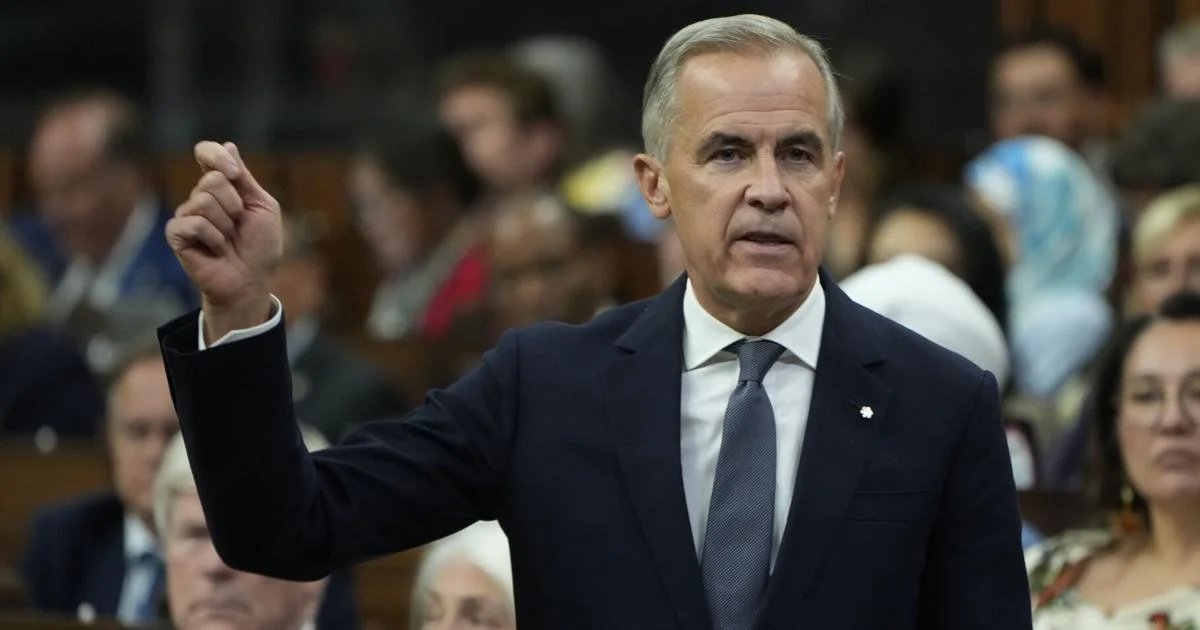
OTTAWA — Prime Minister Mark Carney’s government tabled sweeping new legislation on Monday, marking a significant recalibration of Canada’s regulatory landscape. The proposed omnibus bill targets a broad range of environmental and labour statutes, aiming to streamline approval processes for major infrastructure projects and harmonize industrial standards to bolster economic competitiveness.
The government characterizes the legislative package as a “pragmatic reset” intended to remove bottlenecks that have stalled domestic growth. Officials argue that existing regulatory frameworks, developed over decades, have become overly complex and duplicative, often hindering the transition toward a more integrated national economy. Under the new proposal, the federal government intends to consolidate environmental oversight, reducing the involvement of multiple agencies in what the administration calls “redundant” review cycles.
“We are moving toward a framework that values both precision and pace,” a senior government spokesperson stated during a briefing on Parliament Hill. “By clearing away the procedural underbrush that has prevented sustainable, high-growth projects from reaching the construction phase, we are ensuring that Canada remains a viable destination for capital investment.”
The environmental component of the bill has already drawn sharp criticism from advocacy groups and opposition members. Environmental lawyers warn that the legislation significantly narrows the scope of the federal impact assessment process. Critics point specifically to provisions that would allow the federal cabinet greater discretion to exempt projects from rigorous oversight if they are deemed to be of “national economic importance.”
“This is not streamlining; it is a fundamental retreat from the commitment to evidence-based decision-making,” said Dr. Elena Rossi, a policy researcher at a national environmental watchdog. “By curtailing the ability of regulators to weigh the cumulative environmental impacts of massive infrastructure projects, the government is essentially trading long-term ecological stability for short-term fiscal targets. This legislation risks eroding public trust in how we protect our water, land, and biodiversity.”
On the labour front, the bill introduces reforms designed to increase flexibility within federally regulated industries. The proposed changes aim to modernize collective bargaining requirements and simplify administrative filings for businesses operating across provincial lines. The government claims these changes will help address chronic labor shortages in the transport and energy sectors by allowing for more fluid workforce deployment.
However, organized labour groups have reacted with skepticism. Representatives from several national unions expressed concern that the changes undermine protections for workers, particularly those in the gig economy and temporary sectors. There are mounting fears that the ease of business promised by the bill will come at the expense of standardized safety protocols and job security protections that were previously entrenched in federal law.
The legislative push reflects Prime Minister Carney’s broader vision of a “pro-growth transition,” a strategy that seeks to marry climate goals with industrial expansion. The administration maintains that without a leaner regulatory environment, Canada will be unable to attract the necessary private-sector investment to meet its decarbonization targets. Proponents argue that the technology and infrastructure required for a green transition—ranging from inter-provincial power grids to carbon capture facilities—cannot be built under the current, often protracted, regulatory regimes.
As the bill heads to the House of Commons for second reading, the government faces a steep climb. Opposition parties have already signaled their intent to force a clause-by-clause review of the legislation, which spans hundreds of pages and touches on dozens of existing acts. The debate is expected to intensify in the coming weeks, as the administration attempts to balance its promise of economic revitalization against concerns over the erosion of long-standing environmental safeguards and labour rights.
For now, the document remains a lightning rod for broader ideological tensions. While the government positions the bill as a necessary step toward modernization, the coming parliamentary session will determine whether this legislative pivot will be viewed as a prudent evolution of the Canadian regulatory state or a reckless dismantling of essential protections.
Disclaimer: This content is auto-generated for informational purposes only.
Source: Read Original News