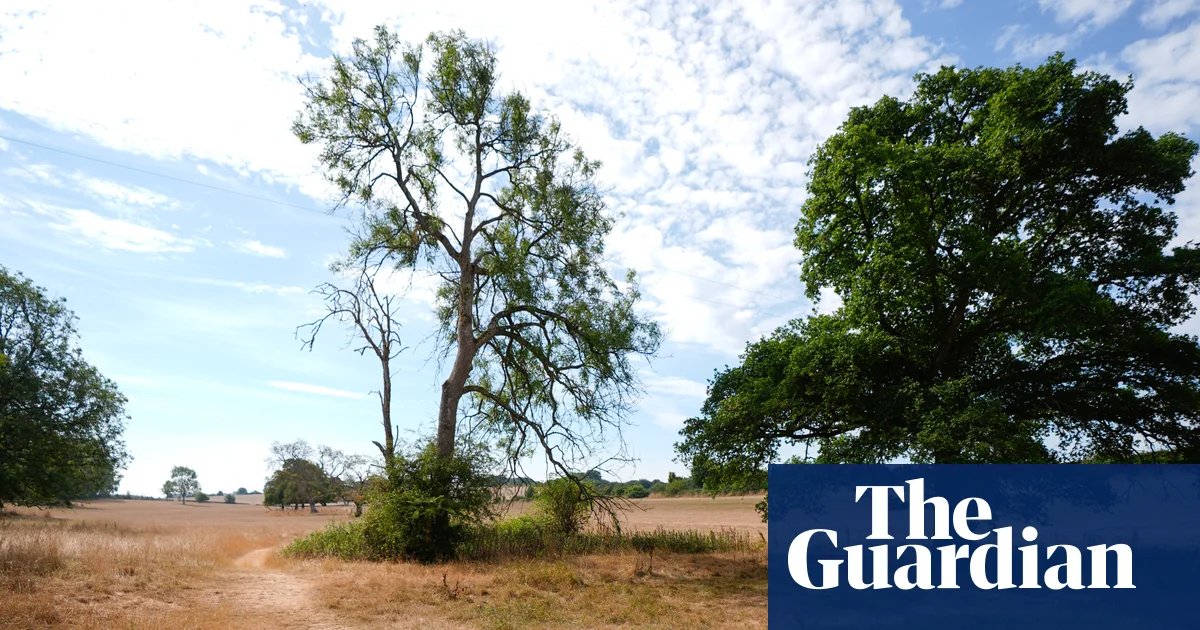








As world leaders descend upon New York for the United Nations General Assembly (UNGA), the climate crisis has taken center stage at the annual Climate Week, which kicked off this Monday against a backdrop of global volatility. This year’s summit arrives following months of punishing environmental extremes, including record-breaking heatwaves across the US and Europe, devastating wildfires in Africa, and catastrophic flash flooding in Asia, all exacerbated by an intense, record-setting El Niño event.
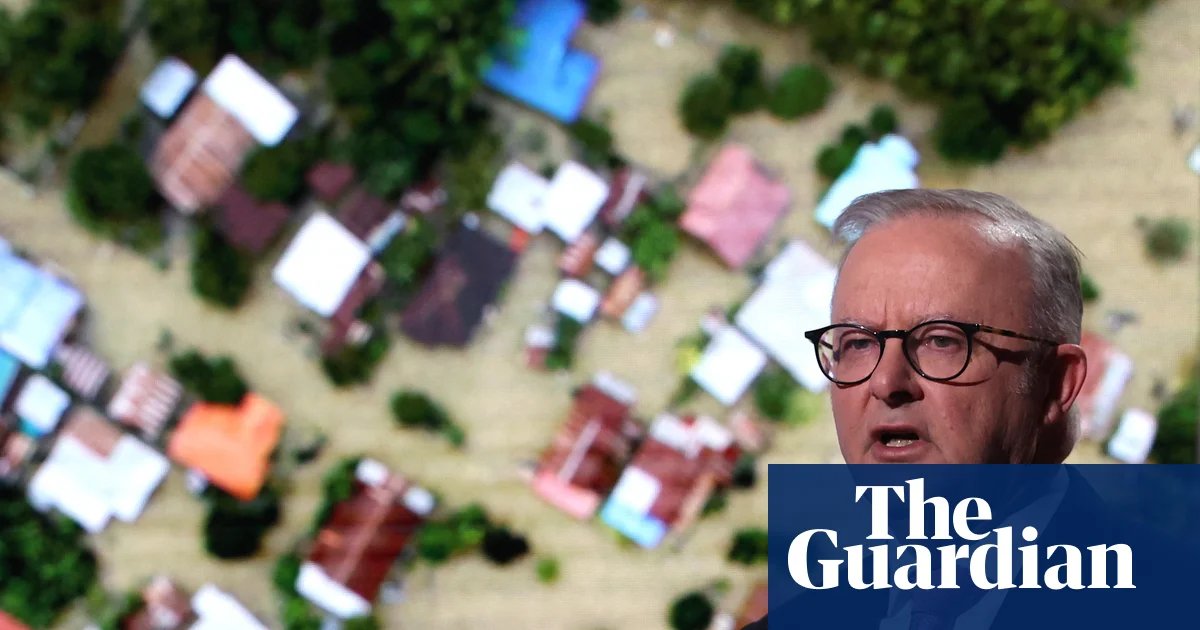
The opening day featured keynote addresses from Prime Minister Anthony Albanese of Australia and Prime Minister Kristrún Frostadóttir of Iceland. Both leaders emphasized the urgency of transitioning away from fossil fuels, framing the shift not merely as an environmental necessity, but as a core component of national security and economic stability.
“Global weather has always been treacherous,” Albanese stated. “But the science told us unmistakably that as the world warms, these events will become more frequent and intense. And those scientific forecasts have come to be.” Albanese underscored Australia’s commitment to supporting neighboring Pacific nations, which remain on the front lines of climate-induced displacement and disaster.
For Iceland, the path to decarbonization began decades ago. Frostadóttir detailed how the 1970s oil crisis forced the nation to move away from expensive, imported fossil fuels. “We made a choice,” she said. “Instead of riding out the volatility, we turned to what was right under our feet.” Through unwavering, cross-party political consensus and financial mechanisms that eased the transition for households, Iceland successfully pivoted to geothermal energy. Today, over 90% of the country’s heating is sourced from geothermal power.
Despite the momentum in speeches, the opening day was marked by a conspicuous silence regarding the US government’s recent efforts to stall climate progress. While the Trump administration continues to push policies aimed at blocking offshore wind projects and weakening emissions standards for vehicles and coal plants, speakers at Climate Week largely pivoted to focus on the pragmatic advantages of renewable energy.
Security officials and international diplomats argued that the current geopolitical climate—marked by the war in Iran and ongoing conflicts elsewhere—has exposed the fragility of fossil fuel dependency. Selwin Hart, the UN assistant secretary general for climate action, characterized the crisis as a “wake-up call” for nations to break their reliance on unstable fuel sources.
This perspective was echoed by Lt Gen Richard Nugee, a retired senior British army officer, who warned that militaries must adapt to a warming world. “The sea in the gulf is getting so hot and is predicted to get so hot that the water won’t cool the engines of our ships,” Nugee noted. He argued that moving toward hybrid-powered vehicles could offer both environmental benefits and strategic advantages, such as reduced noise and vibration, which enhance stealth operations.
In the private sector, the economic argument for sustainability is gaining traction. Representatives from major corporations, including the Ingka Group—the largest Ikea retailer—noted that investing in efficiency and large-scale solar projects is increasingly a matter of good business sense. “Regardless of what’s happening from a political point of view, the economic imperative is there,” said Karen Pflug, the company’s chief sustainability officer.
Despite the growth of Climate Week, which this year expects over 100,000 attendees, organizers acknowledged a growing trend of “climate hushing,” where political and business leaders avoid the topic due to the overwhelming pressure of inflation and global conflict. Helen Clarkson, chief executive of the Climate Group, emphasized that this silence is a mistake. “There has been this disconnect… between the degree to which leaders want to speak about this issue and the reality that people are feeling climate change like no other year,” she said.
As the summit continues, the recurring message from speakers remains clear: the cost of inaction is rising. As Frostadóttir concluded, the time to prepare is before the next disaster strikes. “Start before you must,” she urged. “Build the resilience before the crisis tests it.”
Disclaimer: This content is auto-generated for informational purposes only.
Source: Read Original News