






The Imminent Obsolescence of a Cult Classic
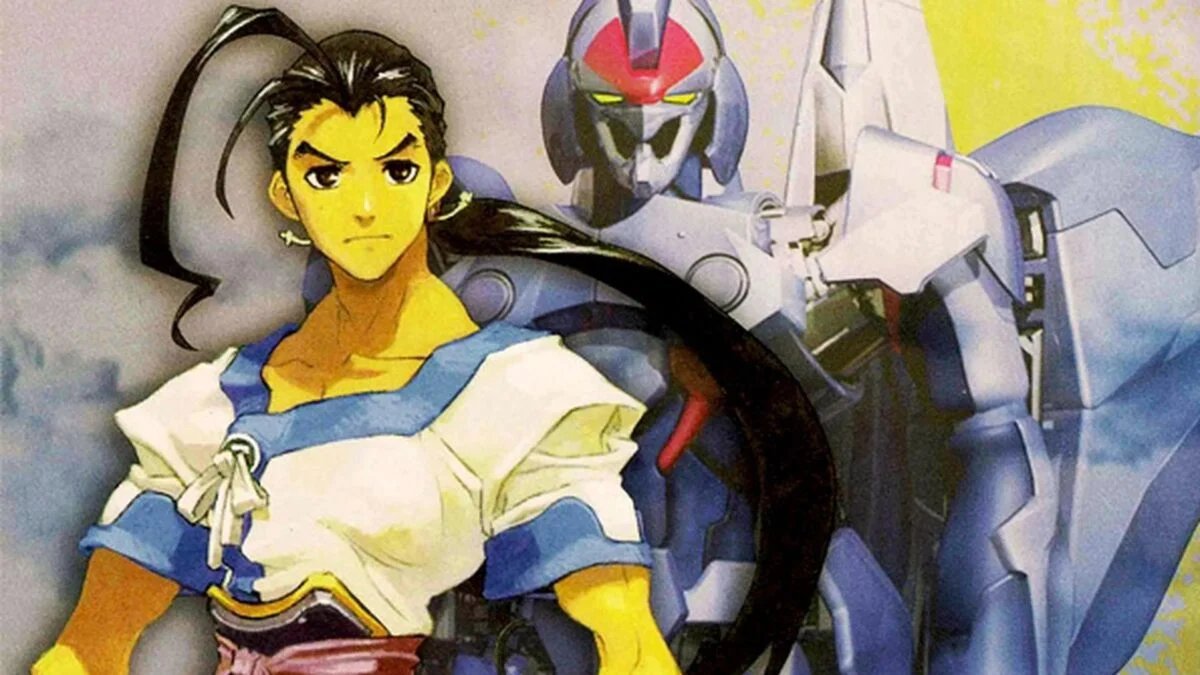
The landscape of classic gaming preservation faces a critical juncture as the digital storefronts for the PlayStation 3, PlayStation Portable, and PlayStation Vita are slated for closure in 2027. Among the casualties of this architectural transition is Xenogears, a title that has remained largely trapped on legacy hardware for nearly three decades. Originally released in 1998, the game serves as a cornerstone of the Squaresoft era, yet it lacks a modern port or remaster. With the impending shutdown of the digital services that currently offer the game, Xenogears is moving toward a state of complete commercial inaccessibility, prompting discussions among developers and enthusiasts regarding its future.
The technical hurdle of reviving older titles is significant. Unlike modern software built with modular, cross-platform engines, titles from the late 90s rely on proprietary hardware abstraction layers designed specifically for the original PlayStation’s architecture. Rebuilding these systems for contemporary platforms requires more than simple emulation; it necessitates a deep dive into archaic codebases that often lack comprehensive documentation. As industry veterans retire or move to different studios, the human knowledge required to navigate these digital archives diminishes, making the preservation of titles like Xenogears an increasingly urgent task for both the original publishers and the gaming community.
The Complex Legacy of Square Enix Development
Recent discussions surrounding the Final Fantasy VII Remake series have brought the history of Xenogears back into the public consciousness. During a recent interview regarding the development cycle of modern Square Enix titles, director Naoki Hamaguchi addressed the unexpected inclusion of Xenogears references within the latest Final Fantasy VII projects. These nods, which Hamaguchi attributed to the long-standing tenure of developers like Motomu Toriyama and Kazushige Nojima, highlight the internal recognition of the title’s influence. Despite this acknowledgment, the appetite for a full-scale remake remains low at the executive level.
The primary constraint is the sheer volume of resources required to modernize a project of this scale. Modern AAA development mandates high-fidelity assets, complex physics engines, and expansive quest systems, all of which contrast sharply with the original game’s experimental structure. The second disc of the original title—notoriously condensed into a narrative-heavy visual novel format—presents a specific design challenge. A faithful remake would likely require expanding these sections into fully realized gameplay, essentially doubling the scope of the original development. Hamaguchi noted that applying the current Remake treatment to titles from that era represents a monumental logistical undertaking that the studio is currently not positioned to execute.
The Role of Monolith Soft in the Xeno Narrative
The stewardship of the Xeno brand has shifted significantly since the release of the original game. Director Tetsuya Takahashi, who helmed Xenogears, eventually founded Monolith Soft, which is now a subsidiary of Nintendo. Under this partnership, the franchise has evolved into the sprawling Xenoblade series, which currently sets the industry standard for open-world design and complex narrative integration on modern hardware. This separation between the creator and the original intellectual property holder creates a fragmented ecosystem.
The probability of a collaborative revival effort between Square Enix and Nintendo is viewed as technically and legally complicated. Square Enix retains the rights to the original Xenogears, while the narrative DNA of the franchise has migrated to the Monolith Soft ecosystem. A hypothetical project would require an unprecedented licensing agreement that would likely restrict the game’s availability to specific hardware, limiting the potential reach of a remake. Consequently, the industry focus remains on the current Nintendo-published Xeno projects rather than a retrospective investment in the Squaresoft-era catalog.
Modern Emulation and Community Preservation
As official channels for distributing legacy software reach their expiration date, the burden of preservation has shifted toward the open-source community. Projects such as the unofficial PC port utilizing the Godot engine demonstrate the capabilities of contemporary reverse-engineering. By porting the game’s assets into a modern, flexible engine, developers can bypass the limitations of the original PlayStation hardware, offering features like higher resolutions, improved text rendering, and compatibility with modern input devices.
These community initiatives serve as a technical proof-of-concept for how legacy titles can be transitioned to current architectures. However, these efforts operate within a precarious legal gray area. While they satisfy the demand for accessibility, they do not offer the stability or legitimacy of an authorized re-release. Furthermore, these ports are dependent on the availability of the original game files, meaning that as physical copies age and degrade, the ability to build these projects will also face technical degradation over time.
The Path Forward for Legacy Titles
If a commercial revival of Xenogears is not on the horizon, the industry may look toward a more scalable approach: the HD remaster. Unlike full remakes, HD remasters focus on scaling the original rendering logic to output at higher pixel densities while maintaining the original gameplay loops and systems. This path is significantly more cost-effective and carries less risk, yet Square Enix has been selective with its back catalog. The successful remaster of titles like SaGa Frontier 2 suggests that there is a framework for these updates, though Xenogears has yet to be included in such initiatives.
The ultimate goal for many remains a unified collection that bridges the gap between the original Xenogears and the subsequent Xenosaga trilogy. Should rumors regarding Nintendo’s acquisition of the Xenosaga rights prove accurate, it would establish a consolidated foundation for the entire series. Bringing these titles to modern hardware would not only provide a historical service but would also allow new audiences to experience the narrative trajectory that led to the contemporary hits developed by Monolith Soft. Without a clear commitment from the rights holders, however, the digital legacy of the title remains at risk of being lost to the obsolescence of the very systems that once gave it life.
Disclaimer: This content is auto-generated for informational purposes only.
Source: Read Original News