







As the media landscape barrels toward a massive consolidation, the upcoming merger between Paramount Skydance and Warner Bros. Discovery is set to create a global news juggernaut. By uniting the institutional weight of CBS News with the international reach of CNN, the combined entity will stand as the largest television news organization in the world. However, a landmark settlement with state attorneys general has introduced a unique governance mechanism that could redefine how corporate media handles editorial oversight: the “Editorial Independence Board.”
A New Architecture for News Governance
As tech giants and media conglomerates increasingly leverage AI-driven content distribution and automated news aggregation, the human element of journalism remains a focal point of regulatory scrutiny. The new board is designed to act as an internal arbiter of integrity. According to the merger agreement, this five-member body is tasked with establishing “News Editorial Principles” that prioritize accuracy, fairness, and structural independence from shareholders.
Crucially, the board will serve as a high-level mediation panel. It is empowered to resolve disputes between newsroom staff and management regarding allegations of reporting bias or failures to meet ethical benchmarks. By focusing on content produced for the U.S. market, the board effectively mandates a “firewall” between the corporate bottom line and the day-to-day editorial output of two of the nation’s most influential newsrooms.
Navigating Appointments and Political Balance
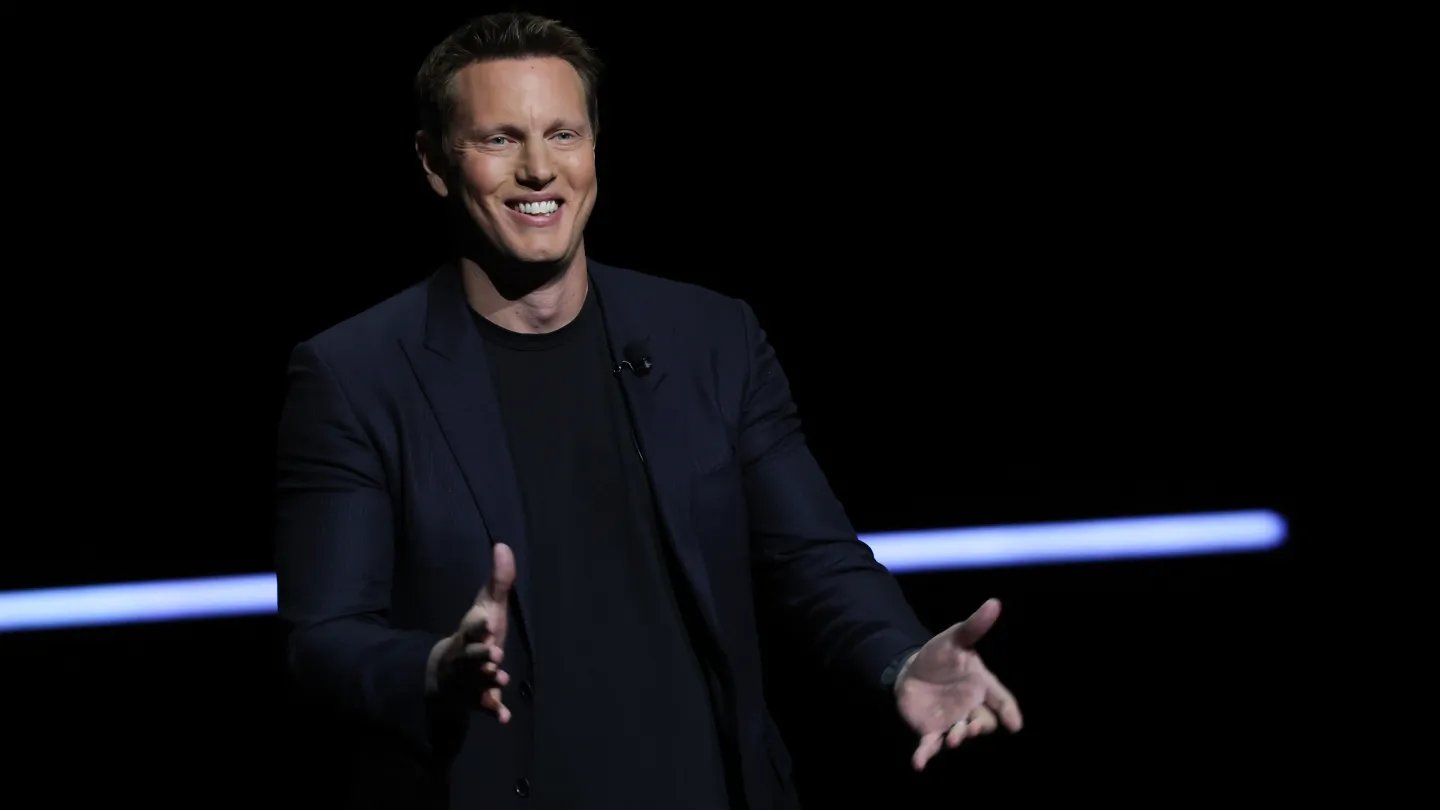
The structure of the board reflects a careful attempt to balance corporate control with public trust. Within 180 days of the deal’s closure, CEO David Ellison’s board of directors will appoint the five members, who will serve three-year terms with protections against arbitrary removal. To ensure a diversity of thought, the agreement stipulates that no more than two members can share an affiliation with the same political party—a clear attempt to mitigate concerns regarding partisan bias.
The criteria for membership are strict: individuals must have at least a decade of journalism experience. While the board excludes government officials and non-journalist corporate employees, it leaves the door open for high-profile figures already within the industry. Names such as Jake Tapper or Norah O’Donnell, or perhaps veteran voices currently associated with the merger’s backers like RedBird Capital, are being whispered as potential candidates. However, the inclusion of partisan-leaning journalists—even if balanced—is already sparking debate among press freedom advocacy groups who worry about the potential for industry-captured oversight.
The “Bark and Bite” Problem in Media Tech
While the mandate sounds comprehensive, critics and industry analysts are questioning whether this board will function as a meaningful watchdog or merely a symbolic gesture. History is filled with corporate editorial boards—such as those within News Corp—that have faced skepticism regarding their actual power to influence editorial direction.
In an era where tech platforms and media firms are increasingly integrating AI to streamline reporting and content delivery, the role of a human editorial board becomes even more complex. If the board’s primary function is limited to resolving specific, granular disputes, it may lack the broader authority to influence the systemic algorithmic biases that often plague modern news delivery. Whether this board becomes a toothless relic of corporate compliance or a robust protector of journalistic independence remains to be seen. As the industry shifts toward this new mega-structure, the effectiveness of this oversight body will serve as a test case for whether corporate-managed news can truly remain independent in the age of massive media consolidation.
Disclaimer: This content is auto-generated for informational purposes only.
Source: Read Original News