









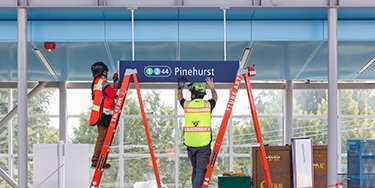
The landscape of urban transportation is undergoing a digital transformation as Sound Transit prepares to open its inaugural infill project, Pinehurst Station, on September 30. While the physical construction—formerly known as the N.E. 130th Infill Station—is entering its final finishing phase, the integration of smart city technologies and data-driven transit management is highlighting a broader trend of how public infrastructure is increasingly becoming a tech-centric operation.
## The Intersection of Transit and Data
The deployment of the Pinehurst Station represents a critical milestone in infrastructure planning, one that relies heavily on predictive modeling and real-time data analytics. Modern transit agencies are no longer just laying concrete and steel; they are building digital ecosystems. By leveraging advanced sensors and IoT connectivity, Sound Transit is optimizing the flow of commuters through Pinehurst, ensuring that transit arrival times are perfectly synced with localized traffic patterns and pedestrian congestion data.
This shift mirrors the broader movement within the tech sector where major players like Google are refining their own transit-focused tools. As commuters prepare to utilize this new station, they will inevitably rely on Google Maps and the Google Transit API to navigate the transition. These platforms utilize machine learning algorithms to process the massive amounts of data generated by transit sensors, providing commuters with precise, minute-by-minute updates that minimize wait times and maximize the efficiency of the regional light rail network.
## AI and the Future of Urban Mobility
The completion of Pinehurst Station is not an isolated development but a byproduct of sophisticated AI-driven planning. Urban planners are now using high-fidelity spatial computing and AI simulations to predict how new infill stations affect city-wide transit density. These tools allow engineers to stress-test station designs against various occupancy scenarios long before the first train arrives at the platform.
This trend is rapidly evolving in tandem with advancements in generative AI and cloud infrastructure. For residents in the Pinehurst area, the station serves as a testbed for a “smart station” concept. Features such as automated lighting adjustment based on occupancy, AI-assisted security monitoring, and real-time predictive maintenance logs are becoming the industry standard. By utilizing cloud-based management systems, transit operators can monitor the health of the station’s infrastructure remotely, allowing for preemptive repairs that prevent service disruptions before they impact the traveling public.
## The Digital Integration of the Commuter Experience
As Pinehurst Station goes live, it underscores the importance of the digital interface in the daily commute. For the average rider, the “polishing touches” on a transit station today are as much about digital connectivity as they are about architectural aesthetics. Reliable high-speed wireless connectivity and integrated mobile ticketing systems are now essential components of the station’s infrastructure.
Tech industry leaders are keeping a close watch on these developments, as the integration of NFC-enabled transit cards with mobile wallets and Google Pay simplifies the user experience to a single tap. This level of friction-less integration is essential for modern urban transit to compete with private rideshare services. As Sound Transit opens the gates at Pinehurst, they are essentially plugging a new node into a vast, real-time digital network.
The successful launch of this station serves as a reminder that the future of city transit lies in the ability to harmonize heavy civil engineering with the lightning-fast capabilities of modern software. Whether it is through the precise location data provided to Google Maps users or the backend AI managing the rail grid, Pinehurst Station stands as a testament to the fact that today’s most successful infrastructure projects are built on a foundation of code and connectivity.
Disclaimer: This content is auto-generated for informational purposes only.
Source: Read Original News