








The Evolution of NetherRealm Studios and the DC Universe
For nearly a decade, fans of the DC Universe fighting game franchise have awaited a successor to 2017’s Injustice 2. NetherRealm Studios, the developer renowned for the visceral combat of the Mortal Kombat series, has maintained a disciplined silence regarding its next project. However, recent developments provide substantial technical and professional evidence that Injustice 3 is currently in active development. This potential return to the DC intellectual property marks a significant pivot for the studio, which recently concluded its work on the soft reboot of the Mortal Kombat franchise.
The resurgence of these rumors stems from specific industry documentation. Resumes from industry professionals, including stunt performers and digital artists who have collaborated with NetherRealm in the past, have surfaced with references to Injustice 3. These documents suggest that motion capture sessions and asset development are already underway. When combined with recent reports of playtesting in California, the evidence points toward a mature production cycle, suggesting that the game is moving beyond the conceptual phase and into technical realization.
Decoding Potential Roster Additions
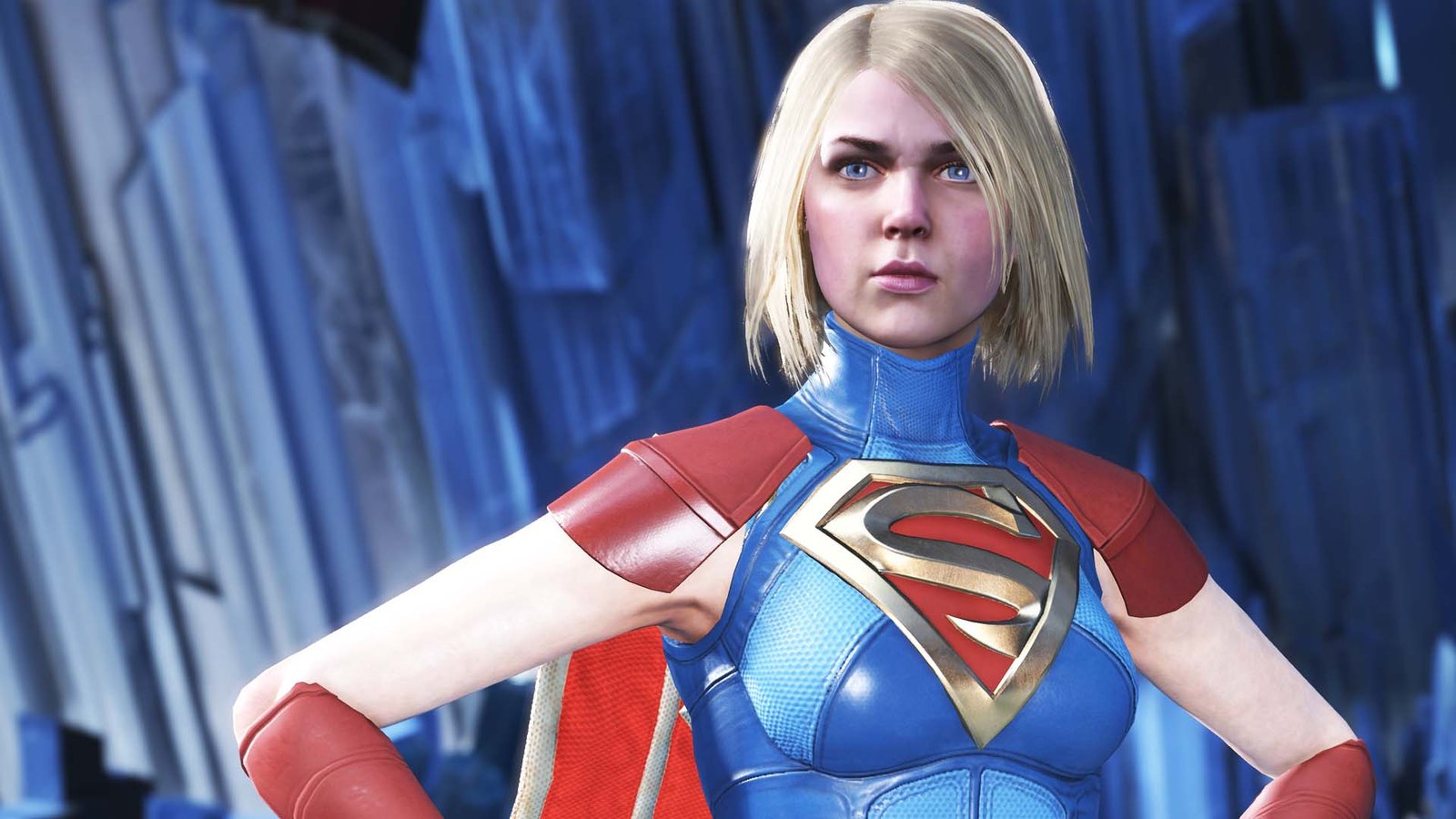
Perhaps the most compelling evidence found in these professional disclosures concerns the character roster. The inclusion of specific names on a stunt performer’s resume provides a glimpse into the kinetic design of the upcoming title. Supergirl is listed as a returning character, which follows the logical continuity of the Injustice narrative. As a key figure in the second installment, her presence maintains the structural integrity of the established lore.
More intriguing is the inclusion of Batwoman. In the established canon of the Injustice comic book series, which serves as the foundation for the game’s narrative, Batwoman perished. Her appearance in a technical role for a new project suggests several potential design paths. NetherRealm could be exploring narrative resurrection, the introduction of a multiverse scenario similar to the mechanics seen in Mortal Kombat 1, or the introduction of a new individual assuming the Batwoman mantle. This development highlights the creative flexibility inherent in comic book source material, allowing developers to manipulate timeline constraints to bring legacy characters into modern gameplay loops.
Advancements in Motion Capture and Combat Dynamics
NetherRealm Studios has long been a leader in the implementation of high-fidelity motion capture in the fighting game genre. The specific mention of a stunt performer in the latest reports implies that the studio is prioritizing fluid, human-centric movement patterns. As the industry moves toward more sophisticated animation blending, the transition from motion capture data to digital skeletal rigs becomes increasingly critical for achieving the high-impact visual style synonymous with the studio.
The technical requirements for a game of this caliber necessitate a deep integration between the combat engine and the visual feedback systems. By utilizing experienced stunt talent, NetherRealm ensures that character movements—from defensive parries to cinematic super-moves—remain grounded in physical reality while adhering to the stylized, exaggerated aesthetic of the DC Universe. This emphasis on performance capture serves as a foundation for the frame-data accuracy required in competitive fighting games, ensuring that every movement is as readable as it is visually striking.
The Influence of Recent Studio Precedents
The development of Injustice 3 occurs in the wake of the successful launch of Mortal Kombat 1. That title functioned as a structural reboot, introducing new mechanics such as the Kameo system, which allowed players to summon secondary characters for tactical assistance. It is highly probable that lessons learned during the development of Mortal Kombat 1 will be applied to the Injustice engine.
While the Injustice series is known for its environmental interactivity and heavy, impact-oriented combat, the studio’s recent technical experimentation suggests that we may see a more complex approach to team-based or assist-heavy combat mechanics. The studio is tasked with balancing the high-octane, screen-filling spectacle of superheroes with the precise, rhythmic input requirements of a top-tier fighting game. Leveraging the refined Unreal Engine pipelines used in recent projects will likely result in a title that exceeds the visual fidelity of its predecessors by a significant margin.
Market Impact and Future Expectations
The shift back to the DC Universe is a calculated move that addresses a clear market demand. While casual-focused mobile titles such as DCKO provide entry-level interactions for the franchise, the enthusiast market has been clamoring for a AAA experience that fully utilizes modern hardware capabilities. By focusing on a console-first approach, NetherRealm can push graphical boundaries, including ray-traced lighting for metallic costumes and complex cloth simulation for capes, which are hallmarks of the superhero aesthetic.
As we move toward an official announcement, the focus will remain on how NetherRealm intends to evolve the narrative trajectory. The studio has proven it can handle the dense, multiversal storytelling required to keep a fighting game interesting for years post-launch. Whether the game utilizes a time-travel narrative to reset the status quo or continues the dark, regime-focused storyline established in previous entries, the primary impact will be the delivery of a polished, high-performance combat experience that redefines how players engage with the DC pantheon. With technical production clearly in motion, the long-awaited sequel is poised to become one of the most anticipated titles in the fighting game community.
Disclaimer: This content is auto-generated for informational purposes only.
Source: Read Original News