









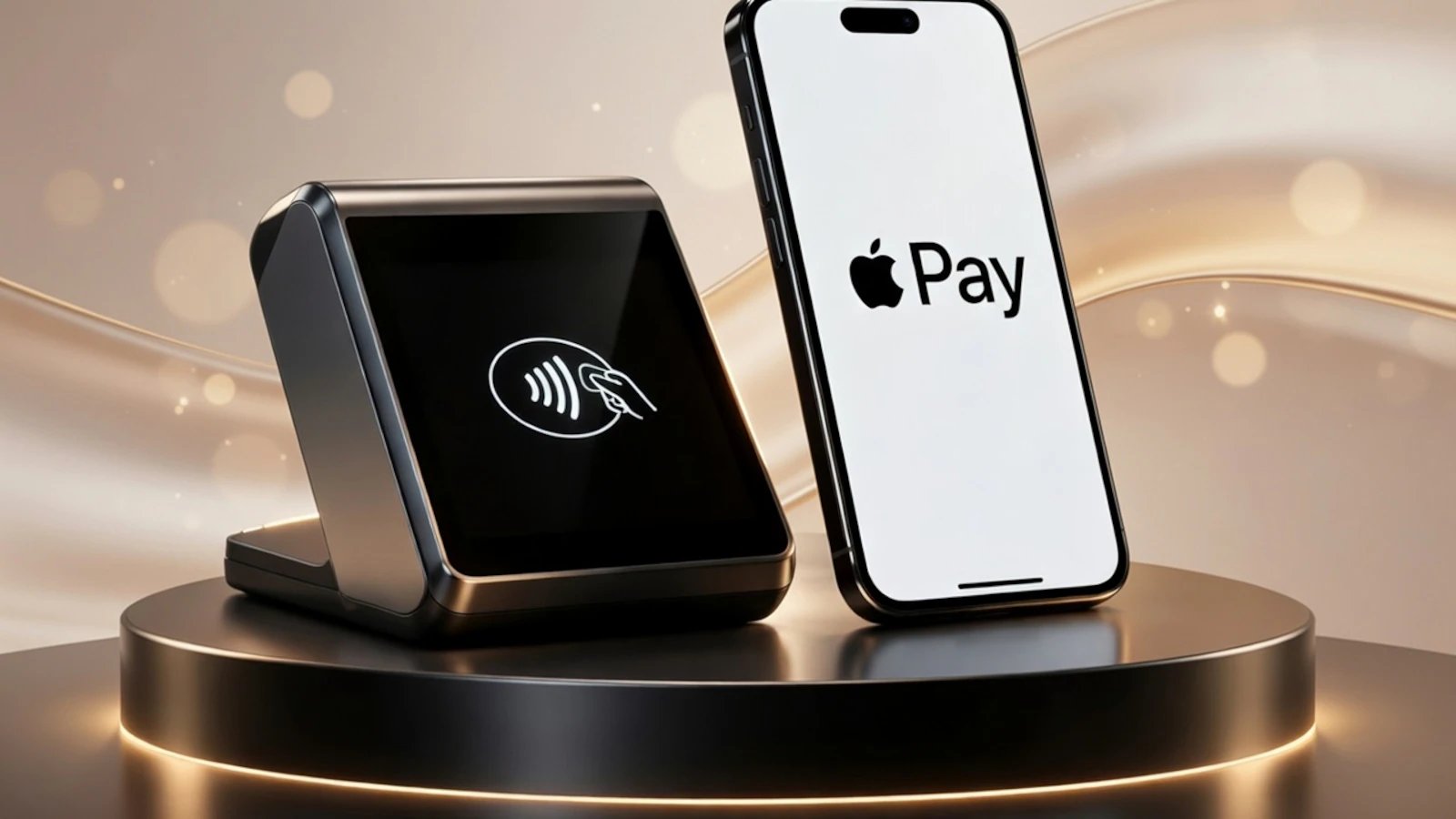
Apple is reportedly preparing to introduce its tap-to-pay service, Apple Pay, to the Indian market as early as next month. According to industry insiders, the initial rollout will be limited to a partnership with Axis Bank, marking a significant milestone for iPhone users in the country who have long awaited the service. While Apple has remained tight-lipped regarding an official announcement, the move signals an aggressive push to integrate its ecosystem into India’s rapidly evolving digital finance landscape.
## Bridging the Gap: Why Apple Pay is Finally Arriving
The path to launching Apple Pay in India has been complex, involving delicate negotiations over interchange fees and strict regulatory compliance. For years, the launch was stalled by a fundamental disagreement over transaction economics. Apple reportedly pushed for a 15–20 basis point share of interchange fees per transaction, while major Indian banking institutions pushed back, offering closer to 10 basis points.
Beyond the monetary dispute, the Reserve Bank of India (RBI) had to clear the way for secure biometric authentication. Recent regulatory updates allowing for enhanced card payment security enabled Apple to utilize its Face ID and Touch ID technologies, which are essential to the platform’s security model. By tokenizing card data rather than storing actual card numbers, Apple Pay ensures that sensitive information is never shared with merchants, providing a level of privacy that aligns with the company’s broader marketing strategy.
## A Crowded Landscape: Apple Pay vs. UPI
Apple Pay enters a market dominated by the Unified Payments Interface (UPI). Unlike existing giants such as Google Pay, PhonePe, and Paytm—which facilitate real-time, bank-to-bank transfers—Apple Pay functions primarily as a digital wallet for credit cards. Because it operates on global networks like Visa and Mastercard, it differs from the domestic, fee-free UPI architecture.
The introduction of Apple Pay also comes just as the National Payments Corporation of India (NPCI) has begun promoting its own “UPI Tap & Pay” feature. This domestic solution allows users to tap NFC-enabled phones for quick transactions without opening an app or requiring an internet connection. Apple Pay will initially struggle to compete with the ubiquity of UPI’s QR-code-based payments, as it requires merchants to possess NFC-enabled contactless card terminals. Consequently, its immediate utility will likely be confined to premium retail outlets, high-end dining, and major transport hubs where contactless infrastructure is already standard.
## Phased Rollout and Future Prospects
The initial launch will be exclusive to Axis Bank, though reports indicate that Apple is in active discussions with other major players like HDFC Bank and ICICI Bank. However, these partnerships are subject to finalized commercial terms, meaning that for many Indian iPhone users, the service will not be available on day one.
The service is expected to function across the Apple ecosystem, including iPhones, Apple Watches, and iPads. Furthermore, the integration may streamline how Indian consumers interact with Apple’s own services. Currently, users often rely on UPI or complex workarounds to pay for iCloud subscriptions, Apple Music, and App Store purchases. With Apple Pay, these subscriptions could eventually be managed directly through the secure Wallet app using a linked credit card, offering a more seamless user experience.
As Apple continues to scale its operations in India, the rollout will likely mirror its phased approach in other global markets. By starting with a single banking partner, the company can stress-test its integration within the Indian financial ecosystem before onboarding a wider range of lenders. While it may not replace UPI anytime soon, Apple Pay’s focus on the credit card demographic—combined with the inherent security of Apple’s hardware—positions it to capture a significant share of the premium consumer segment.
Disclaimer: This content is auto-generated for informational purposes only.
Source: Read Original News