






COLOMBO – The legal proceedings regarding the 2019 Easter Sunday terror attacks reached a critical juncture today as the official judgment phase of the high-profile case began. The start of these proceedings marks a significant milestone in the long-sought pursuit of justice for the hundreds of victims and their families affected by the coordinated bombings that rocked Sri Lanka five years ago.
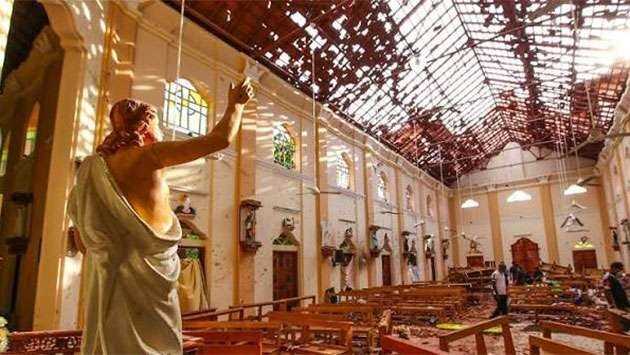
The courtroom was heavily guarded as proceedings commenced, with heightened security measures in place to manage the influx of legal teams, victim representatives, and observers. The case involves numerous defendants accused of varying roles in the planning, financing, and execution of the suicide attacks, which targeted three churches and three luxury hotels on April 21, 2019.
The commencement of the judgment phase follows years of intensive investigations, complex legal debates, and persistent demands from religious and civil society groups for accountability. The prosecution has presented thousands of pages of evidence, including forensic reports, digital surveillance, and testimony from key witnesses, aiming to connect the accused to the extremist network responsible for the carnage. Conversely, defense attorneys have consistently challenged the procedural validity of certain evidence and the involvement of their respective clients.
For many, today’s development is a somber reminder of the tragedy that claimed over 260 lives and left hundreds more with life-altering injuries. Advocates for the victims, including the Catholic Church, have expressed hope that these proceedings will bring clarity to the “masterminds” behind the plot—a demand that has been a focal point of public protests and political discourse since the incident occurred.
“The start of the judgment phase is a vital step toward closure for the entire nation,” said one legal analyst observing the case. “However, the public’s eyes remain fixed on the bench, waiting to see how the court balances the evidence against the complex web of individuals who have been indicted.”
The judgment, which is expected to be delivered in stages, will address the culpability of those directly involved in the blasts, as well as those alleged to have facilitated the radicalization of the attackers. The verdict is anticipated to have lasting implications for Sri Lanka’s national security architecture and its legal system’s ability to handle large-scale terrorism cases.
As the judge began the opening remarks of the proceedings, a sense of heavy anticipation filled the room. The outcome of this trial is not only seen as a legal necessity but as a moral imperative for a country still grappling with the scars of the Easter Sunday atrocities. Legal experts expect the proceedings to continue over the coming weeks, with the final verdicts likely to draw intense scrutiny from international observers and human rights organizations worldwide.
Disclaimer: This content is auto-generated for informational purposes only.
Source: Read Original News