







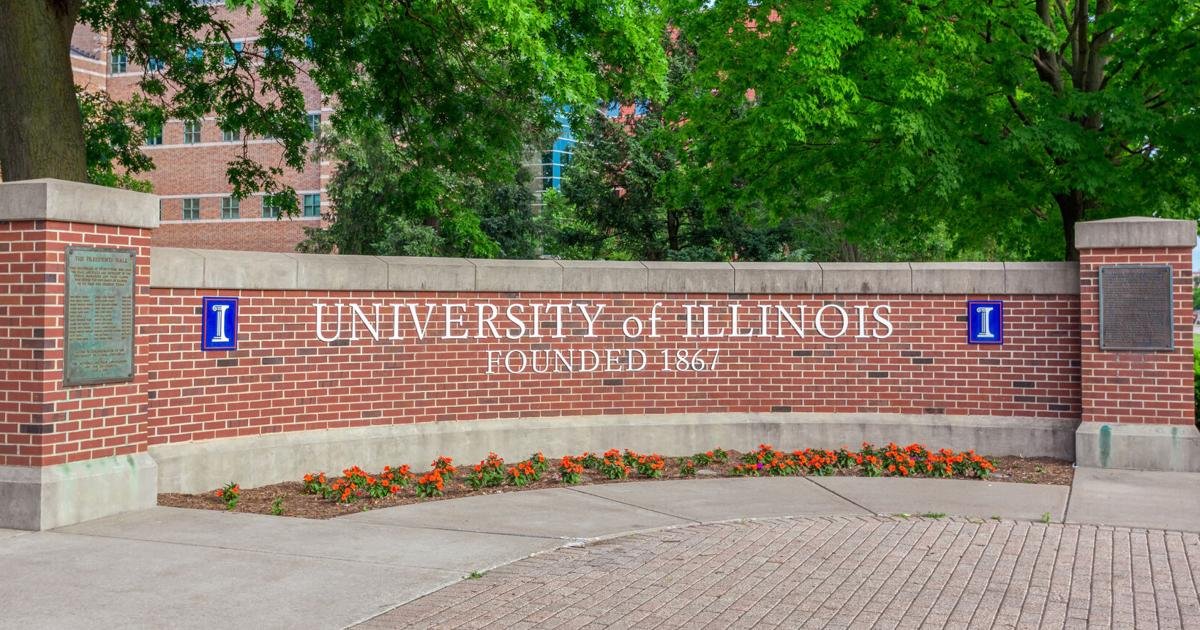
The University of Illinois has achieved its highest-ever standing in the latest U.S. News & World Report “America’s Best Colleges” rankings, signaling a significant moment for the institution as it competes in an increasingly data-driven academic landscape. With the university now tied for 34th place among all national universities, the results highlight how top-tier research institutions are leveraging technology, interdisciplinary studies, and high-impact departments to climb the ranks.
## The Intersection of Data and Academic Performance
In an era where prospective students rely heavily on search algorithms and digital ranking platforms to make life-altering education decisions, the methodology behind these lists has become as sophisticated as the technologies the schools themselves develop. The U.S. News & World Report rankings—often aggregated and highlighted through Google’s own Knowledge Panels and “Featured Snippets”—serve as a vital touchpoint for digital discovery. For the University of Illinois, maintaining visibility in these search results is essential to attracting global talent.
The university’s climb to 34th place was bolstered by consistently high scores in its specialized fields. Notably, the school achieved a No. 5 national ranking for computer science, a discipline that continues to be the primary engine of the global tech economy. As AI continues to dominate research agendas, Illinois’ ability to maintain these elite metrics confirms its position as a central hub for the next generation of software engineers and machine learning experts.
## Gies and Grainger: Powerhouses of Specialized Learning
While the overall university ranking is a headline-grabber, the specific performance of individual colleges within the university paints a picture of intense specialization. The Gies College of Business saw its accounting program maintain a top-tier national ranking for the second consecutive year. Michael Donohoe, head of the Gies accounting department, recently discussed these successes, underscoring that such consistency is vital for maintaining a school’s digital footprint and reputation among recruiters.
Similarly, the Grainger College of Engineering continues to demonstrate why it remains a top choice for students looking to enter the fast-evolving tech industry. By placing multiple departments—including civil, electrical, computer, and environmental engineering—within the top 10 nationally, the university is successfully branding itself as a multidisciplinary leader. This level of granular success ensures that when prospective students or employers search for specific technical specializations, the University of Illinois appears prominently, often bolstered by the very algorithmic sorting that governs modern web traffic.
## The Competitive Big Ten Landscape
The broader rankings reveal the intense competitive landscape within the Big Ten. Northwestern maintains a commanding lead at No. 9 nationally, while other institutions—such as Michigan, Wisconsin, and Purdue—compete for visibility and prestige in the same digital ecosystem. The wide gap between schools like Northwestern and the institutions at the lower end of the conference spectrum highlights the “digital divide” that can exist in higher education, where top-ranked schools benefit from a virtuous cycle of positive search visibility, increased enrollment, and greater investment.
For the University of Illinois, this year’s data confirms that its strategy of focusing on core pillars like engineering, business, and computer science is working. By securing strong rankings across these high-demand sectors, the university ensures its continued relevance. As search engines and AI assistants become the primary gateways for students researching higher education, the ability of a university to maintain a high-ranking profile is no longer just about campus life—it is about being found and favored by the digital tools that define the modern applicant’s journey.
Disclaimer: This content is auto-generated for informational purposes only.
Source: Read Original News