







India Rejects OIC’s Interference on J&K, Advises Group to Counsel Pakistan
India has issued a sharp rebuttal to the Organisation of Islamic Cooperation (OIC) following the latter’s latest attempt to internationalize the issue of Jammu and Kashmir. During the ongoing 81st session of the United Nations General Assembly in New York, the OIC Contact Group on Jammu and Kashmir convened to reiterate its stance on the region, prompting an immediate and firm response from New Delhi.
The Ministry of External Affairs (MEA) categorically dismissed the OIC’s remarks, asserting that the organization lacks any legal standing or justification to deliberate on India’s internal affairs. New Delhi has consistently maintained that the Union Territories of Jammu and Kashmir and Ladakh are, and will remain, inalienable parts of the Indian sovereign territory.
Questioning the Credibility of the OIC
In its formal statement, the Indian government cast doubt on the OIC’s impartiality and its reputation as a responsible global body. By persistently providing a forum for what India termed “politically motivated propaganda,” the OIC is effectively undermining its own standing in the international arena.
The MEA emphasized that the repetitive nature of these factually incorrect references does nothing to change the ground reality. Instead, these actions serve only to highlight the OIC’s susceptibility to being used as a tool for narrow geopolitical agendas. India further underscored that any attempts to alter the status or international perception of its internal territories through such forums are entirely futile and will be rejected with the same level of firmness each time.
A Call to Counsel Pakistan
The center of India’s ire was not just the OIC, but the group’s blatant role as an amplifier for Pakistan’s regional grievances. New Delhi hit out at Islamabad for manipulating the OIC platform to disseminate “fabricated and motivated” narratives. The MEA statement offered a direct piece of advice to the bloc: rather than acting as a megaphone for Islamabad’s agenda, the OIC should focus its energy on counselling Pakistan regarding its own systemic failures.
The Indian government reminded the global community that Pakistan possesses a long, well-documented history of promoting and sponsoring cross-border terrorism. New Delhi called upon Islamabad to stop indulging in rhetoric and instead take concrete, verifiable steps to address the pervasive threat of terrorism emanating from the regions currently under its control.
The OIC Contact Group’s Stance
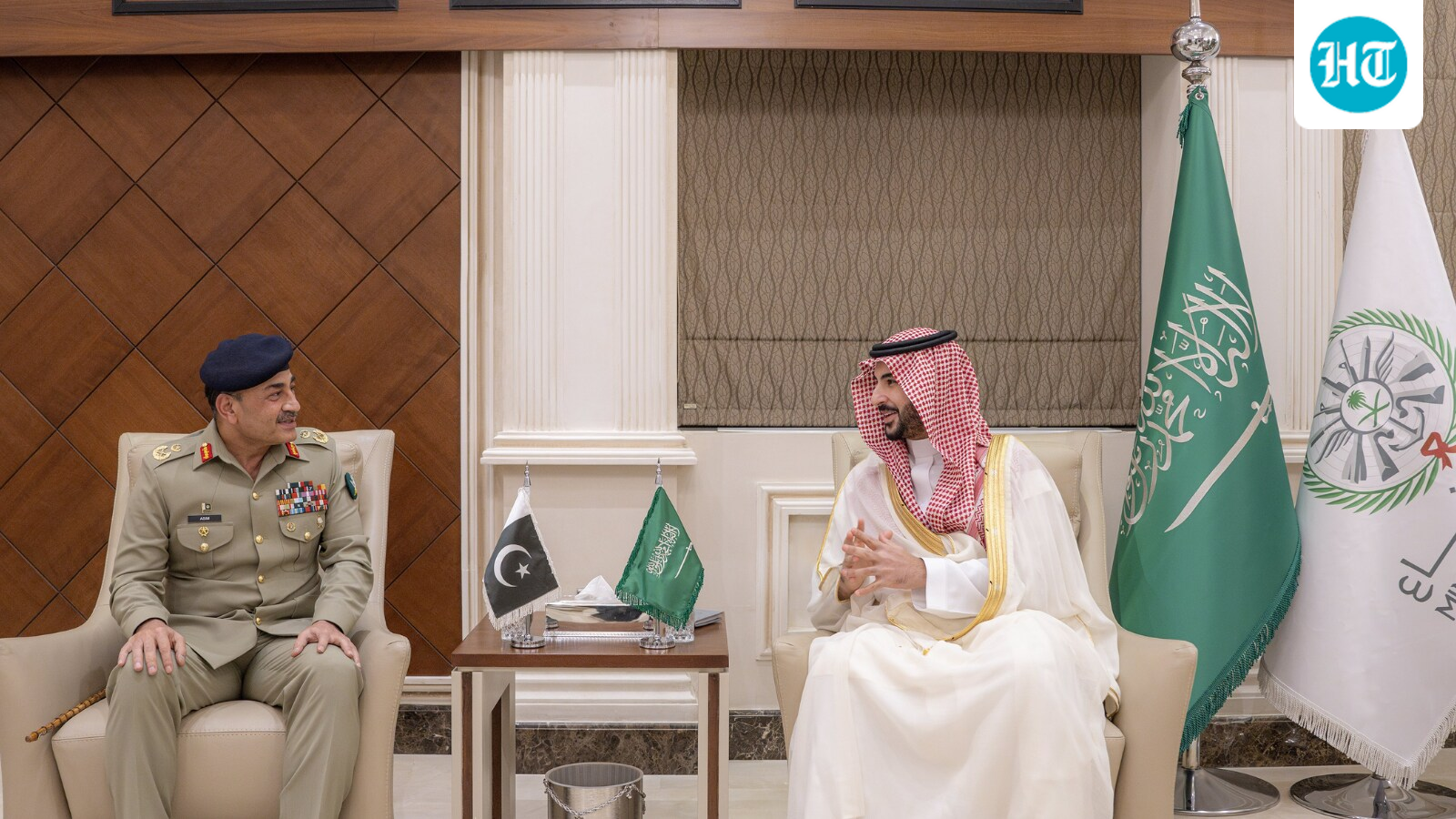
The OIC Contact Group—which includes Azerbaijan, Pakistan, Turkiye, Saudi Arabia, and Niger—used the sidelines of the UN General Assembly to reaffirm its support for what it characterized as the Kashmiri people’s “right to self-determination.”
Pakistan’s Deputy Prime Minister and Foreign Minister, Ishaq Dar, who addressed the meeting, urged member nations to maintain a unified diplomatic front against India. Dar’s rhetoric focused on calls for India to reverse the administrative changes made in August 2019, while also demanding the release of political detainees and the granting of access to international observers.
Despite these demands, India’s position remains unshaken. New Delhi’s rejection of the OIC’s narrative highlights a hardening diplomatic stance: India will continue to treat the Kashmir issue as a strictly domestic matter and will actively counter any external attempt to challenge its sovereignty on international platforms.
Disclaimer: This content is auto-generated for informational purposes only.
Source: Read Original News