









The Shifting Landscape of Microsoft’s Gaming Division
The recent wave of restructuring within Microsoft’s gaming division has sent tremors through the industry, marking a significant pivot in how Xbox manages its internal development studios. This latest announcement, which resulted in 268 layoffs across various teams, reflects a broader organizational strategy focused on consolidation and redirected operational control. Key studios such as Rare, World’s Edge, and Halo Studios have been significantly impacted, with responsibilities for major franchises being shifted toward Activision. This move suggests that Microsoft is centralizing its production pipelines under the Activision umbrella, aiming to streamline resources and standardize development cycles for its flagship intellectual properties.
The reorganization is not limited to mere headcount reduction; it involves the systemic integration of independent teams into larger operational entities. For instance, the merger of Playground Games and Turn 10 signals a strategic alignment of internal talent, specifically tasking these unified teams with the continued development of the Fable and Forza franchises. Similarly, the movement of Obsidian Entertainment under the direct supervision of Bethesda reflects an effort to keep legacy RPG development localized within a single reporting structure. These changes indicate that Microsoft is prioritizing the stability of long-running franchises over the autonomy of individual creative studios.
Impact on The Coalition and Gears of War: E-Day
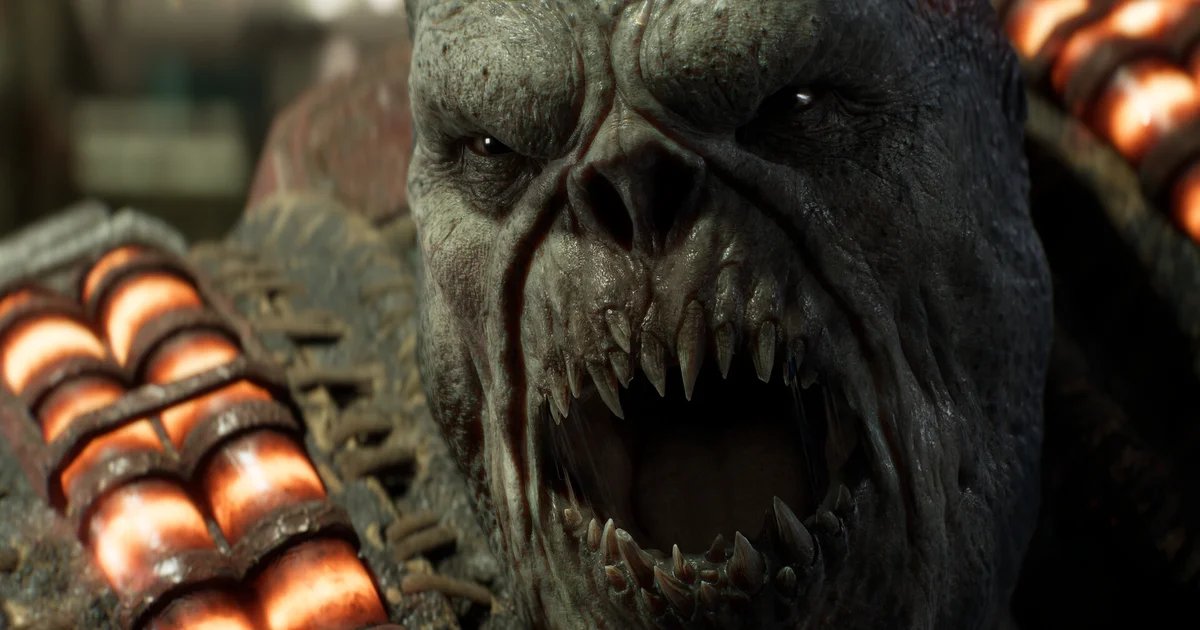
Among the most visible consequences of these cuts is the departure of Juan Vaca, the story director for the highly anticipated title, Gears of War: E-Day. Vaca, who played a central role in shaping the narrative for this latest installment in the franchise, was laid off just two weeks before the official release date. The timing of this departure is particularly notable, occurring only five days after the team celebrated the milestone of the game going gold. In software production, reaching gold status signifies that the master code is finalized, debugged, and ready for mass production, marking the conclusion of the core development phase.
While the loss of a lead storyteller during the final launch window is uncommon, reports suggest that the impact at The Coalition—the studio responsible for the Gears of War franchise—has been limited compared to other departments. Sources indicate that fewer than a handful of developers were affected at the studio, with the nature of the layoffs cited as being distinct from the broader organizational restructuring affecting other Xbox internal groups. Despite the sudden loss of leadership, the development trajectory for Gears of War: E-Day remains on track for its scheduled October 6th release, as the fundamental creative and technical work had already transitioned into the distribution phase.
Strategic Realignment and Studio Integration
The decision to fold major franchises like Halo into Activision’s operational model represents a seismic shift in Xbox’s publishing strategy. Halo Studios, once the center of Microsoft’s internal development efforts for the series, has undergone significant downsizing as part of this transition. By moving the development of future Halo releases to Activision, Microsoft is effectively leveraging the scale, infrastructure, and technical expertise of a larger organization to oversee one of its most critical assets. This approach allows the company to reduce overhead costs associated with smaller, localized studios while maintaining a more consistent output for its service-based games.
Furthermore, the closure of Ninja Theory signifies a retreat from maintaining high-risk experimental development studios. Despite internal efforts to secure alternative ownership or operational models, the potential deals to save the studio collapsed, leading to its shutdown. This reflects a growing trend where mid-sized, specialized development teams find it increasingly difficult to survive within the portfolio of a corporate parent that is prioritizing efficiency and large-scale blockbusters. For the gaming industry, this contraction indicates a return to a landscape dominated by massive, centralized production hubs rather than diverse, decentralized studios.
Technological and Operational Consequences
From a technical perspective, these changes signify a move toward unified toolsets and development processes. When studios are merged or redirected to report to a singular entity like Activision or Bethesda, the primary goal is often the standardization of engine technology and project management workflows. By consolidating these pipelines, Microsoft aims to reduce technical debt and accelerate the transition from concept to market. However, such integrations often come at the cost of the unique workflows and creative cultures that previously defined these studios.
The transition of Obsidian Entertainment into the Bethesda structure, for example, is likely intended to facilitate better synergy in open-world RPG development. By aligning these teams, Microsoft can share technical resources, quality assurance frameworks, and engine optimizations more effectively. While this integration can lead to more stable production cycles, it simultaneously minimizes the independence of the creative teams that built these franchises. The challenge for Microsoft will be balancing the technical benefits of this corporate consolidation with the need to maintain the distinct creative vision that defines the quality of these games.
The Future of Triple-A Development
The broader implication of these layoffs is a fundamental change in the economics of large-scale gaming development. As the costs associated with producing high-fidelity titles continue to rise, studios are under constant pressure to deliver significant returns on investment. The consolidation of internal teams and the reliance on massive entities like Activision are reactions to this economic pressure. For the end user, this means that the industry will likely see fewer, but perhaps more consistent, releases. However, the loss of experienced personnel at the final stages of a project’s lifecycle underscores the precarious nature of the current labor market in the gaming sector.
As the industry moves toward this new era of consolidated development, the legacy of teams like those at The Coalition and the now-shuttered Ninja Theory will continue to shape future titles. The immediate release of Gears of War: E-Day will be a litmus test for how a project can navigate major personnel changes in its final weeks. Whether this restructuring provides the financial stability Microsoft desires or erodes the creative vitality that fans have come to expect remains a key question for the upcoming fiscal years. For now, the industry is witnessing a transition toward a more tightly controlled, efficiency-driven model of software production.
Disclaimer: This content is auto-generated for informational purposes only.
Source: Read Original News