







The corridors of the Karnataka Legislative Assembly, usually echoing with the sharp crossfire of political debate, fell into a rare, rhythmic harmony this week as lawmakers paused to celebrate a titan. The subject of their collective reverence? The incomparable Anant Nag. With the recent announcement that the veteran Kannada actor is to be the recipient of the Dadasaheb Phalke Award—the crowning jewel of Indian cinema—the state government has officially signaled that an era of unparalleled artistic brilliance is being rightfully immortalized.
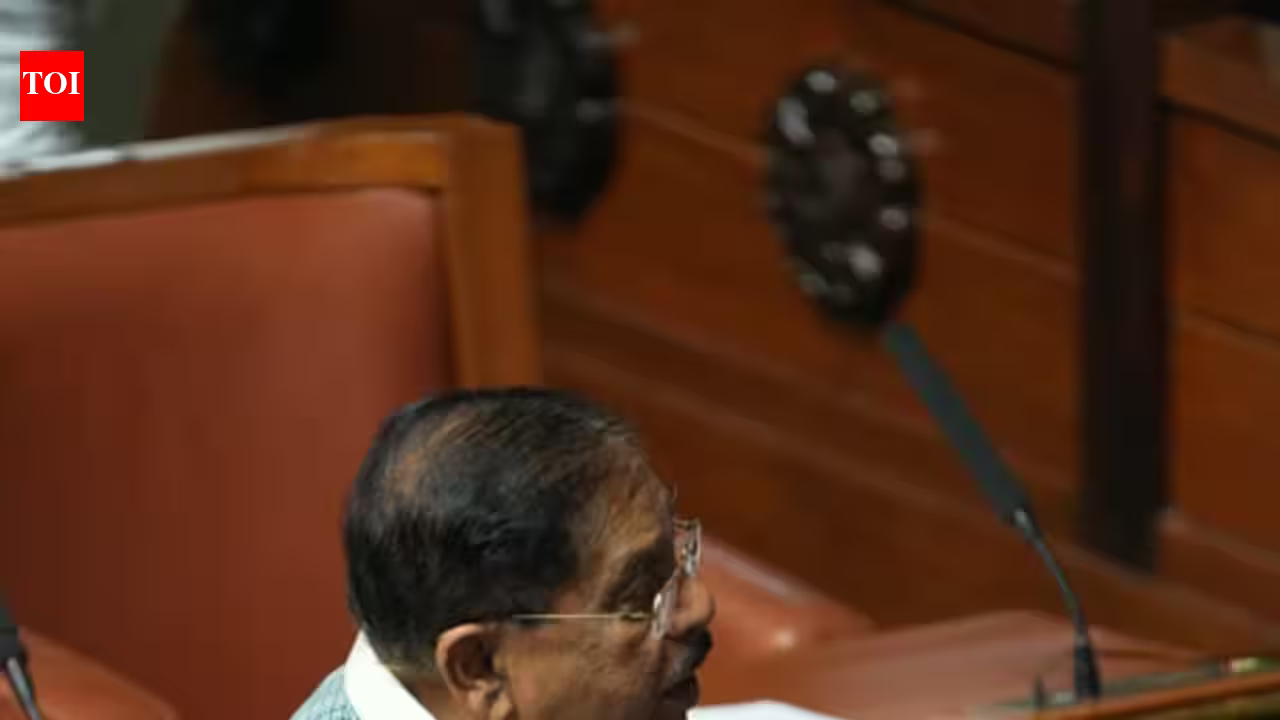
Karnataka Deputy Chief Minister G. Parameshwara led the tribute, his voice reflecting the gravity of the occasion. For an industry that often measures success in box office receipts and opening-weekend frenzy, this award serves as a profound reminder of what truly lasts: craft, integrity, and a lifelong commitment to the screen.
## A Legacy Written in Performance
To call Anant Nag an “actor” feels like a staggering understatement. He is a cinematic institution. When Deputy CM Parameshwara took the floor to congratulate the legend, he didn’t just rattle off a list of accolades; he traced the trajectory of a man who refused to follow the well-trodden path.
In the 1970s, when the Kannada film landscape was dominated by the titanic, larger-than-life personas of Dr. Rajkumar and Vishnuvardhan, a young Anant Nag arrived with a different energy entirely. He was the intellectual, the relatable everyman, and the pioneer of the “new wave” in Kannada cinema. While others occupied the space of the infallible hero, Nag carved out a territory of nuance, playing characters that felt like they were pulled directly from the streets of Bengaluru or the quiet corners of rural life. With over 300 films to his name, he hasn’t just participated in cinema; he has chronicled the evolving identity of the modern Indian man.
## The Brotherly Force of the Nag Duo
The discussion in the Assembly inevitably turned to the symbiotic, almost mythical creative partnership between Anant Nag and his late brother, Shankar Nag. It is impossible to discuss the history of modern Kannada cinema without acknowledging the seismic shift they triggered.
“Along with his brother and actor Shankar Nag, they created a new wave in the Kannada film industry,” Parameshwara noted. This was more than just a family affair; it was an artistic insurrection. Together, they pushed the boundaries of storytelling, moving away from theatrical melodrama toward a more grounded, realistic, and often experimental style of filmmaking. The legacy of the Nag brothers is stitched into the fabric of Karnataka’s cultural DNA—a blend of raw, unfiltered passion and sophisticated artistry that paved the way for generations of filmmakers who followed in their wake.
## Beyond the Arc Lights: A Life of Principle
What makes the Dadasaheb Phalke honor particularly fitting for Anant Nag is the multidimensional nature of his life. He is not merely a studio-bound performer. His life has been a tapestry of artistic, political, and social engagement.
His foray into politics in the 1990s—serving as a Legislative Council member and later as a Minister—showed a man unafraid to test his convictions in the arena of public service. Yet, perhaps his most telling trait is his eventual retreat from the spotlight. In an industry defined by the relentless pursuit of relevance, Anant Nag chose a “simpler approach to life” in his later years. This quietude has only served to amplify his legend. It suggests that he never acted for the fame; he acted because the work demanded it. As Parameshwara astutely pointed out, the fact that he won film awards on five separate occasions is not just a testament to his versatility, but a validation of a standard of excellence that never wavered, regardless of the role or the decade.
## The Magnitude of the National Honour
It has been three decades since the legendary Dr. Rajkumar became the first artiste from the Kannada film industry to receive the Dadasaheb Phalke Award. The wait for the next recipient from the state has been long, but in Anant Nag, the committee has selected a standard-bearer who embodies the very best of Indian storytelling.
The Dadasaheb Phalke Award is not a participation trophy; it is a lifetime achievement milestone that is notoriously difficult to attain. By honoring Nag, the nation is acknowledging a career that spanned multiple languages and broke regional barriers. From the streets of Bhatkal to the global stage, his journey has been one of bridge-building. He brought the sophisticated, thoughtful sensibilities of Kannada cinema to audiences far beyond the state’s borders, proving that truly local stories possess a universal resonance.
## A Proud Moment for Karnataka
As the Assembly session concluded, the consensus was clear: this award is not just a personal victory for Anant Nag; it is a badge of honor for the state of Karnataka. It puts the Kannada film fraternity back in the national spotlight, reminding the rest of India of the profound creative depth that exists within the region.
“Recognising Anant Nag’s talent and conferring the Dadasaheb Phalke Award on him is an honour for the entire state,” Parameshwara concluded. It was a sentiment shared by everyone in the room. In an age of ephemeral digital content and fleeting viral stardom, celebrating an icon like Anant Nag feels like a necessary act of anchoring. We are honoring a man who spent his life teaching us how to watch, how to feel, and—perhaps most importantly—how to live with grace both on and off the screen.
For a man who has played so many roles, Anant Nag’s final, and perhaps most enduring role, is that of the elder statesman of Indian cinema—a role he wears with the same effortless charm that first captured our hearts nearly fifty years ago. Congratulations are indeed in order, but the true prize belongs to the audience, who have been the beneficiaries of his genius for all these decades.
Disclaimer: This content is auto-generated for informational purposes only.
Source: Read Original News