







The Economic Imperative of Diversification in India’s Sugar Industry
The Indian sugar sector, long considered the backbone of rural prosperity, stands at a critical juncture. For decades, the industry has relied heavily on the production of sugar as its primary revenue stream. However, shifts in global commodity prices, combined with domestic production costs, have rendered the traditional business model increasingly vulnerable. According to recent insights from Union Minister for Road Transport and Highways, Nitin Gadkari, the industry’s reliance on sugar alone is no longer economically sustainable. While Brazil produces sugar at a cost of approximately Rs 23 per kilogram, Indian producers face significantly higher costs, hovering between Rs 33 and Rs 34 per kilogram.
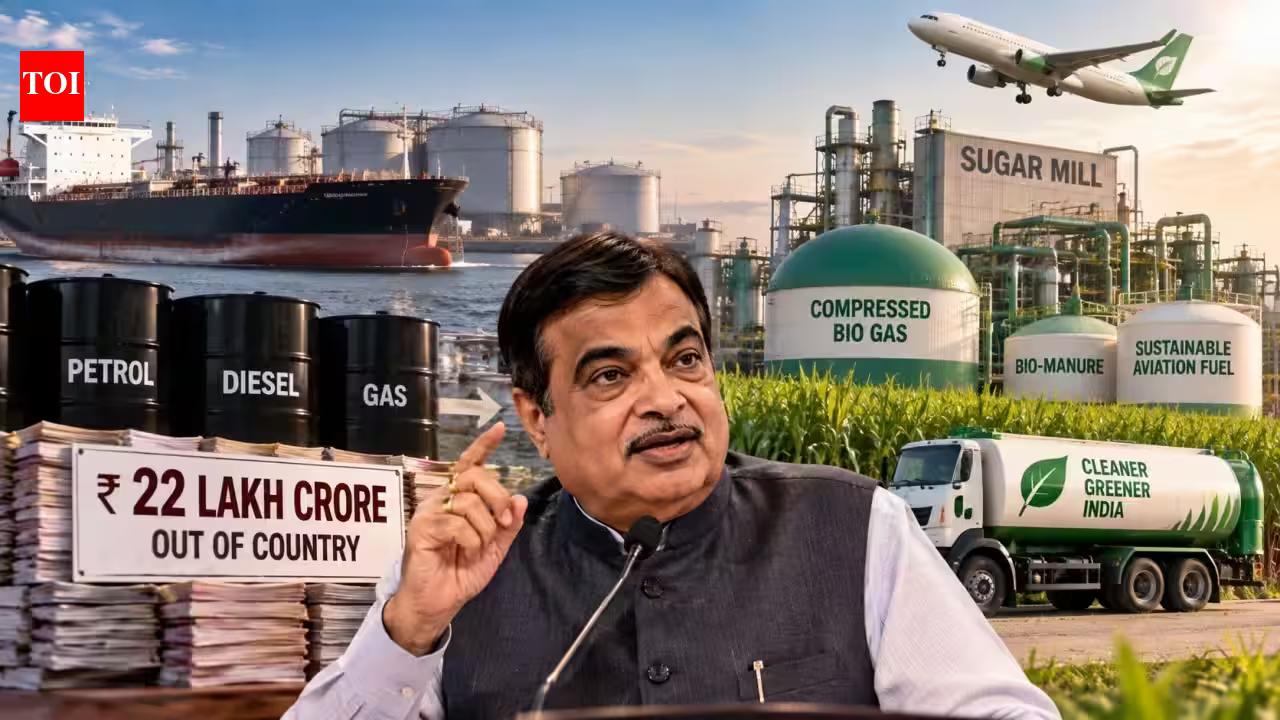
This price gap creates a structural disadvantage that cannot be bridged through traditional methods alone. To maintain competitiveness and ensure the long-term viability of the sugar cooperative ecosystem, the industry must pivot toward value-added by-products. The potential for such a transformation is rooted in the utilization of sugarcane waste—specifically bagasse and molasses—to produce compressed bio-gas (CBG), ethanol, and bio-manure. By diversifying the output of sugar mills, the industry can create multiple revenue streams, insulating itself from the volatility of global sugar markets while simultaneously strengthening the balance sheets of rural cooperatives.
Reducing the National Fuel Import Burden
India’s dependence on imported energy is one of the most significant strains on its macroeconomic stability. The country spends roughly Rs 22 lakh crore annually to import crude oil, natural gas, and coal. This reliance not only drains foreign exchange reserves but also exposes the domestic economy to global geopolitical fluctuations and supply chain disruptions. The agricultural sector, often viewed primarily as a food producer, is increasingly being positioned as a key player in India’s energy security strategy.
By integrating the sugar and agricultural industries into the energy supply chain, India can significantly lower its import bill. The shift toward ethanol blending in petrol and the transition to CBG represent a deliberate move to replace fossil fuels with domestic, sustainable alternatives. The conversion of agricultural residues—such as paddy stubble, rice straw, and Napier grass—into energy provides a dual benefit: it transforms a persistent environmental challenge, such as crop burning, into a lucrative resource, and it decentralizes energy production. This transition aligns with the broader national objective of achieving self-reliance or “Atmanirbhar Bharat” in the energy sector, turning fields and mills into the fuel depots of the future.
Scaling the Compressed Bio-Gas Economy
The transition to a bio-fuel economy requires systemic infrastructure development and clear policy signaling. India currently possesses the potential to produce approximately 50,000 tonnes of CBG per day; however, current output accounts for only two percent of that capacity. Bridging this gap requires both technology adoption and improved supply chain logistics. The government has already registered nearly 2,000 CBG plants, with over a hundred already operational, indicating a growing momentum in this sector.
To accelerate this growth, the government has introduced mandatory procurement obligations and established a fixed procurement price of Rs 106 per kg for CBG. This pricing floor provides the necessary revenue certainty for investors and mill owners to commit capital toward large-scale processing facilities. The financial impact of such a shift is immense. Estimates suggest that scaling the bio-gas industry could infuse up to Rs 2.5 lakh crore into the rural economy, generating approximately 15 lakh jobs. This represents a substantial shift in the rural employment landscape, transitioning away from seasonal agricultural labor toward skilled roles in bio-energy management and plant operations.
Technological Integration and Precision Agriculture
Innovation is not limited to the output of the sugar mill; it must start at the farm level. The traditional methods of sugarcane cultivation are increasingly being challenged by the need for higher yields and lower input costs. The adoption of artificial intelligence, precision farming, and drone technology can revolutionize how farmers monitor crop health, optimize irrigation, and manage fertilizer application. By leveraging AI-driven data, farmers can make informed decisions that maximize the efficiency of their land, directly contributing to the profitability of the sugar supply chain.
The success of the corn-to-ethanol initiative in states like Uttar Pradesh and Bihar demonstrates that policy-driven demand for agricultural produce can yield immediate financial results for the rural workforce. By diversifying the raw material base for bio-fuels beyond sugarcane to include corn and other biomass, the government has created a safety net that protects farmers from price crashes in any single commodity. Integrating this technological layer ensures that the agricultural sector remains resilient against climate variability and market fluctuations, setting a new standard for modern, data-informed farming.
Infrastructure Efficiency: The Role of FASTag and Toll Logistics
While the production side of the economy is undergoing a transformation, the logistical infrastructure supporting the movement of goods is also seeing a massive overhaul. The transition to a barrier-free, FASTag-enabled toll collection system on national highways is a critical component of India’s overall cost-efficiency strategy. The goal is to eliminate delays at toll plazas, which traditionally resulted in significant fuel wastage and logistical bottlenecks.
The financial benefits of this system are substantial. Once fully operational by 2027, the government anticipates an annual gain of between Rs 20,000 and Rs 25,000 crore from improved toll collection efficiency. Beyond the direct revenue, the secondary impact—reduced carbon emissions from idling vehicles and lower transportation costs for goods—further strengthens the economic landscape. As the logistics sector becomes more efficient, the overall cost of moving agricultural and industrial products declines, creating a more cohesive national market. The integration of digital toll systems with the push for bio-fuels represents a comprehensive strategy: one side reduces the national import burden through energy diversification, while the other side saves vital resources through logistical excellence.
In conclusion, the roadmap for the Indian sugar and agricultural sector is clear. The future does not lie in the continuation of status-quo manufacturing, but in a multi-faceted approach that integrates energy production, advanced technology, and logistical efficiency. By converting waste into wealth and adopting modern management tools, the sector can secure its own future while helping India transition toward a more sustainable and economically autonomous state. The convergence of these initiatives holds the promise of not only revitalizing the rural economy but also fundamentally changing the nature of India’s industrial capabilities in the global arena.
Disclaimer: This content is auto-generated for informational purposes only.
Source: Read Original News