








Market Shifts in the Pokémon Trading Card Game
The release of the Pokémon Trading Card Game (TCG) 30th Anniversary expansion on September 16th, 2026, has triggered a significant disruption in the secondary market. Traditionally, highly anticipated sets are characterized by intense demand and soaring prices as collectors and speculators compete for rare, high-value pulls. However, this latest milestone release has defied these expectations, revealing a calculated shift in distribution and rarity mechanics by The Pokémon Company.
The current market reality is largely defined by increased pull rates. By making rare cards more accessible to the average player, the manufacturer has effectively flattened the price curve of the set. For the general enthusiast, this represents a welcome change, as it reduces the financial barrier to completing a set. Conversely, for individuals who rely on artificial scarcity to generate profit through resale, the market conditions have proven unfavorable, leading to widespread dissatisfaction within speculative circles.
Analyzing the Mechanics of Pull Rates
The technical core of this market shift lies in the distribution algorithms governing card pack contents. Historically, “chase” cards—highly coveted, rare variants—were manufactured with extreme scarcity to drive the secondary market value of booster boxes and individual packs. By increasing the frequency at which these cards appear in the 30th Anniversary packs, The Pokémon Company has directly influenced the supply side of the supply-demand equation.
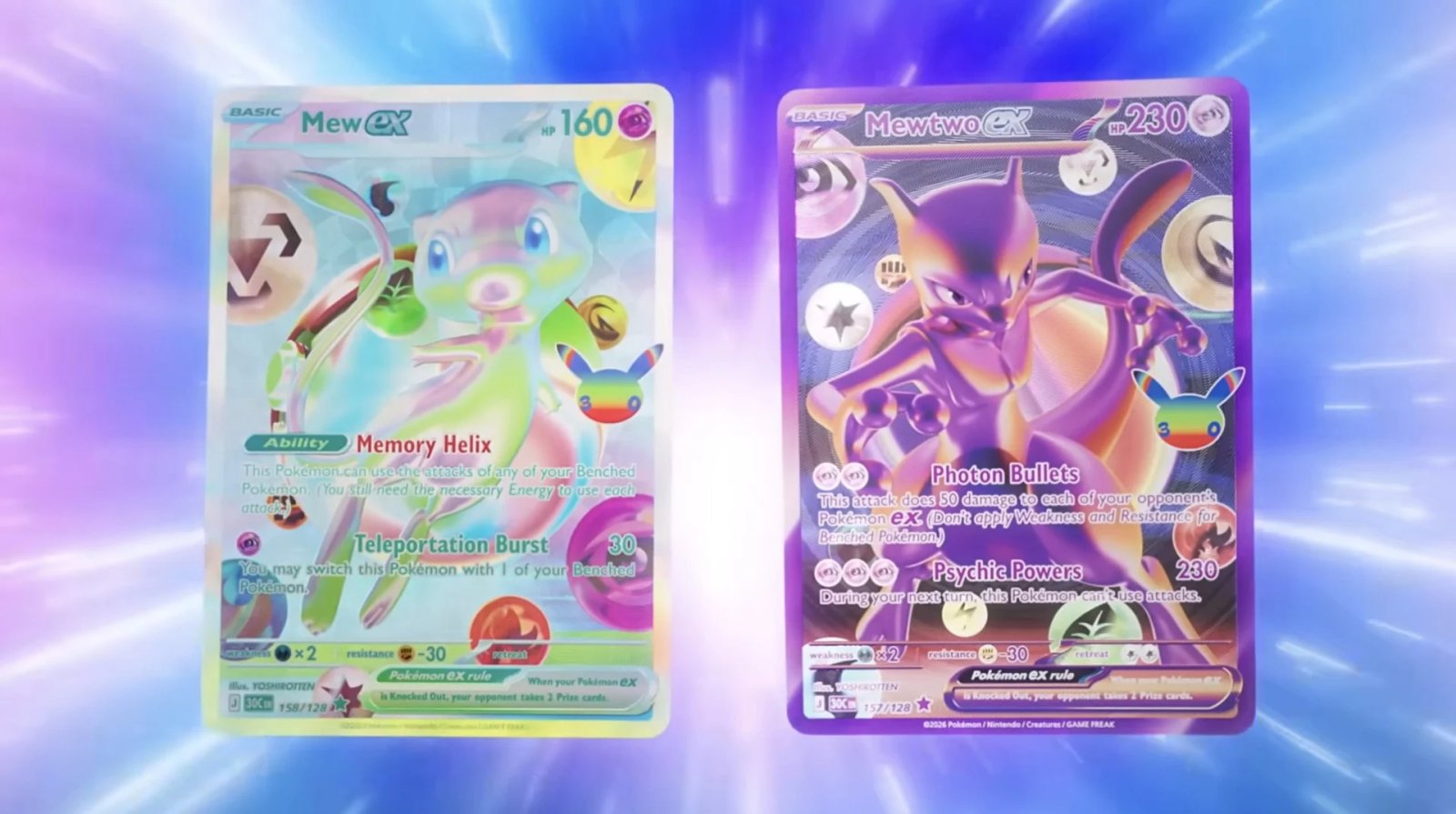
With supply significantly higher than in previous anniversary cycles, the market price for the majority of the set’s cards has plummeted. Data from trading platforms indicates that outside of a few specific Special Illustration Rare (SIR) Mew cards, which maintain a higher valuation, the vast majority of the collection is trading well below the $200 threshold. This creates a more accessible environment for players who wish to engage with the game at a functional level rather than an investment level.
The Impact of Speculative Behavior
Speculators and scalpers often treat TCG sets as assets with high liquidity. Their strategy involves mass acquisition of sealed products during the initial launch, with the intent of creating artificial stock shortages that force market prices upward. The 30th Anniversary release saw this pattern unfold, with reports of long queues and immediate stock exhaustion at retail locations.
However, the rapid devaluation of these cards has frustrated those who anticipated a substantial return on investment. Discussions across dedicated online forums reveal a divide between those who view the collection as a strictly financial venture and those who view it as a recreational hobby. The “investor” demographic, having anticipated the 30th anniversary as a bull market catalyst, is now finding that their exit strategies are failing to materialize as expected. This has led to panic-selling, which further compounds the price drops as supply floods the market, creating a cycle that negatively impacts only those holding stock for price-gouging purposes.
Long-term Sustainability and Hobby Engagement
Despite the noise from the resale market, there is an argument that these changes are vital for the long-term health of the Pokémon TCG ecosystem. A hobby that becomes prohibitively expensive due to secondary market speculation risks alienating the core user base. When cards are attainable, engagement levels tend to rise. Users who find it enjoyable to open packs and complete collections are more likely to remain active within the community, participate in organized play, and support future product lines.
Some community members have noted that the 30th Anniversary set serves as a corrective measure against the toxic aspects of collection culture. By prioritizing the user experience—making the thrill of pulling a “rare” card a more frequent occurrence—the game designers are arguably focusing on the longevity of the game itself rather than the temporary volatility of resale prices.
Technological and Distribution Trends
This shift may also reflect an evolution in how The Pokémon Company manages product distribution. Over the past few years, the rise of automated bots and sophisticated scalping networks has made it difficult for legitimate fans to secure products. While the company cannot entirely prevent bulk purchasing, adjusting the reward structure of the physical product is an effective way to neutralize the financial incentive for mass-scale scalping.
As the secondary market continues to adjust, it remains to be seen whether this will become a permanent standard for high-profile sets. The current data points toward a new era where the “collectibility” of a set is derived from artwork and nostalgia rather than purely astronomical financial values. For the collector who values the cards for their design and utility, the 30th Anniversary expansion marks a shift toward a more inclusive and sustainable model, even if it leaves those seeking quick profits scrambling to find value elsewhere.
Disclaimer: This content is auto-generated for informational purposes only.
Source: Read Original News