








The Strategic Convergence of Indian Engineering and African Energy
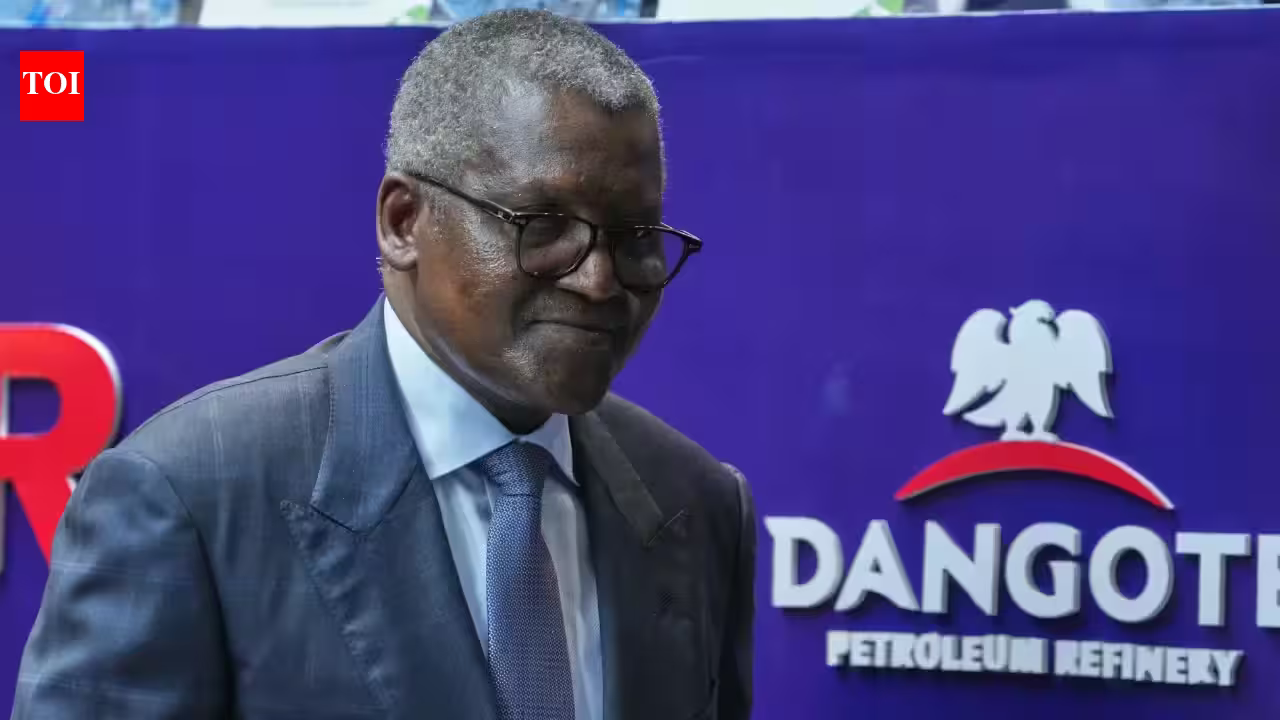
The recent announcement that Aliko Dangote, Africa’s wealthiest entrepreneur, has selected Engineers India Ltd (EIL) to oversee the construction of a $16 billion refinery in Kenya marks a significant milestone in the South-South economic partnership. This $450 million contract is not merely a service agreement; it is a testament to the growing global confidence in Indian public sector enterprises (PSUs) as leaders in complex, large-scale industrial infrastructure. By leveraging EIL’s technical expertise—a firm that operates under the Indian Ministry of Petroleum and Natural Gas—Dangote is positioning his enterprise to reshape the energy landscape of East Africa.
For India, this deal represents a triumph of soft power and industrial diplomacy. The export of high-end engineering consultancy services demonstrates that Indian firms have moved beyond domestic boundaries to become pivotal architects of industrialization in emerging markets. This collaboration, which mirrors the successful partnership on the Lagos refinery project, highlights a recurring theme: the ability of Indian state-owned entities to scale their operations internationally while maintaining the precision required for massive petrochemical ventures.
Project Scope and Regional Energy Security
The proposed refinery in Lamu, Kenya, is a colossal infrastructure undertaking. Designed to process 700,000 barrels of crude oil per day, the facility will be one of the largest on the continent. The project’s objectives extend far beyond profit margins for the Dangote Group; it is fundamentally about altering the supply chains of East Africa. Currently, many nations in the region remain heavily dependent on imported refined fuels, which leaves them vulnerable to global price shocks and logistical bottlenecks.
By establishing a massive refining and petrochemical hub on the Indian Ocean coast, the Dangote Group plans to streamline the distribution of fuel to landlocked neighboring nations such as Ethiopia. The inclusion of a 4,000-kilometre pipeline network in the broader project scope is the critical component that elevates this from a local refinery to a regional energy artery. This infrastructure will facilitate a degree of energy self-sufficiency that was previously inaccessible to the East African Community. EIL’s role as the project manager and lead consultant will be to ensure that these sophisticated engineering components are integrated seamlessly, mitigating the significant technical risks associated with a project of this magnitude.
The EIL Business Model and Global Scaling
Engineers India Ltd is uniquely positioned for this venture because of its long-standing history of executing large-scale projects within the challenging regulatory and physical environments of India. Its success is rooted in a culture of rigorous project management, cost efficiency, and technical compliance. The renewal of trust by the Dangote Group—following EIL’s oversight of the Lagos facility—serves as an endorsement of India’s industrial capabilities.
From a business perspective, the $450 million contract provides a lucrative stream of foreign exchange revenue for a public sector entity. More importantly, it secures EIL’s footprint in the burgeoning African market. As African nations prioritize industrialization and domestic value addition, the demand for consultants who can build complex, greenfield refineries will surge. EIL is successfully leveraging its previous track record to establish a dominant market share in a continent that is ripe for energy infrastructure development. This strategy of follow-on contracts with high-net-worth clients illustrates a mature business development approach, moving from opportunistic bidding to long-term industrial partnership.
Economic Implications for the Dangote Group
Aliko Dangote’s ambition to build a $100 billion revenue empire by 2030 is supported by this aggressive capital expenditure program. With a planned investment of $50 billion over the next four years, the group is clearly shifting its focus toward regional dominance in energy and logistics. The transition from the Atlantic side of the continent to the Indian Ocean reflects a pan-African vision that seeks to maximize trade efficiencies across the continent’s vast geography.
The Kenya project serves as a cornerstone for this growth. By diversifying his geographic presence, Dangote is hedging against localized supply chain disruptions and political risks. The refinery and the associated pipeline network are designed to create a symbiotic relationship between the production hub in Kenya and the consumer markets in the interior. This is a classic industrial strategy: controlling the value chain from the point of processing to the point of delivery. If successful, the project will transform the Dangote Group into the primary fuel provider for a massive demographic segment, creating a stable, long-term revenue base that is largely immune to the volatility of global export markets.
India-Africa Synergies in the Modern Industrial Era
The collaboration between EIL and the Dangote Group is emblematic of the evolving nature of international business between India and the African continent. Historically, these relations were defined by commodity trade. Today, they are increasingly defined by technology transfer, professional services, and high-stakes infrastructure development. India has developed a unique cost-benefit proposition in engineering, offering world-class technical talent and management standards that are often more cost-effective than Western counterparts.
For Indian companies, this relationship offers a path to scale that is harder to achieve in the highly competitive and regulated markets of North America or Europe. In Africa, the scale of infrastructure need matches the capability of Indian PSUs to deliver. As Kenya and other East African nations modernize their economies, the requirement for reliable energy infrastructure becomes a national priority. By positioning itself at the center of this transition, EIL is not just generating revenue; it is embedding its operational methodologies and technical standards into the bedrock of African development.
This partnership also sets a template for other Indian corporates. The success of the Dangote-EIL model suggests that, for Indian firms, the most effective strategy for international expansion is to partner with established, high-growth local conglomerates. These local giants bring an intimate understanding of the political and legal terrain, while the Indian partners provide the technical rigor and execution capability.
Ultimately, the Lamu refinery project is a significant indicator of where the next decade of industrial growth will occur. As the global energy market transitions, the ability of regional players in Africa to produce and distribute their own fuel will be the primary driver of economic resilience. With Engineers India Ltd guiding the construction of this ambitious infrastructure, the project stands as a showcase of Indian industrial expertise operating at the forefront of African progress. This convergence of capital, ambition, and engineering precision is likely to yield substantial returns for all parties involved and set a new standard for infrastructure development in emerging economies.
Disclaimer: This content is auto-generated for informational purposes only.
Source: Read Original News