








India Adopts Strict Red-Label Warning System for Packaged Foods
In a significant policy pivot that impacts the nation’s $100 billion food processing sector, the Food Safety and Standards Authority of India (FSSAI) has toughened its stance on mandatory nutritional labeling. Following mounting pressure from health advocates and the judiciary, the regulator confirmed it will implement a stringent system where products high in salt, sugar, or saturated fats will bear red warning symbols—even if only one of those nutrients exceeds the prescribed threshold.
This decision marks a decisive departure from the FSSAI’s earlier, more lenient proposal, which had suggested that warning labels should only be triggered if a product breached limits for at least two ingredients. The updated strategy, outlined in a recent filing to the Supreme Court of India, represents a victory for public health experts who had long argued that the previous multi-ingredient requirement was insufficient to address the rising burden of lifestyle diseases across the country.
A Shift Toward Transparency
According to the regulatory filing, the FSSAI intends to roll out these warning labels in a single phase. The labels will feature a red hexagon set against a white square background, providing consumers with a clear, visual indicator of a product’s health risks. By requiring the label if just one nutrient of concern exceeds the limit, the authority aims to eliminate loopholes that might otherwise allow unhealthy items to bypass scrutiny.
This development follows a period of intense public and legal debate. The Supreme Court had previously intervened, questioning the logic of the earlier, weaker draft after activists criticized it for prioritizing corporate interests over consumer safety. The debate gained further momentum recently following reports that major multinational corporations had lobbied against stringent labeling, citing concerns that such warnings might prove ineffective or harm market sentiment.
Impact on the $100 Billion Food Industry
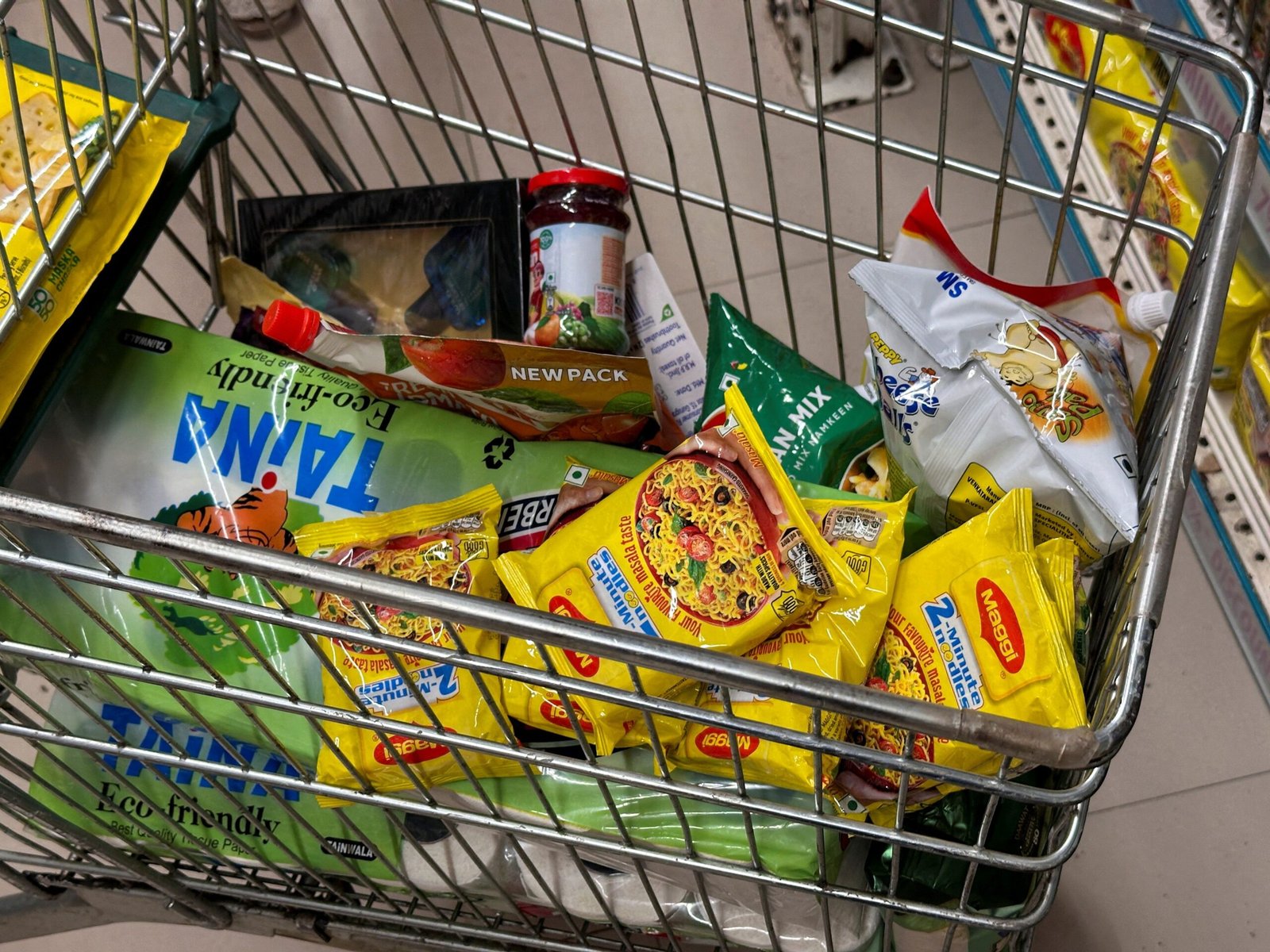
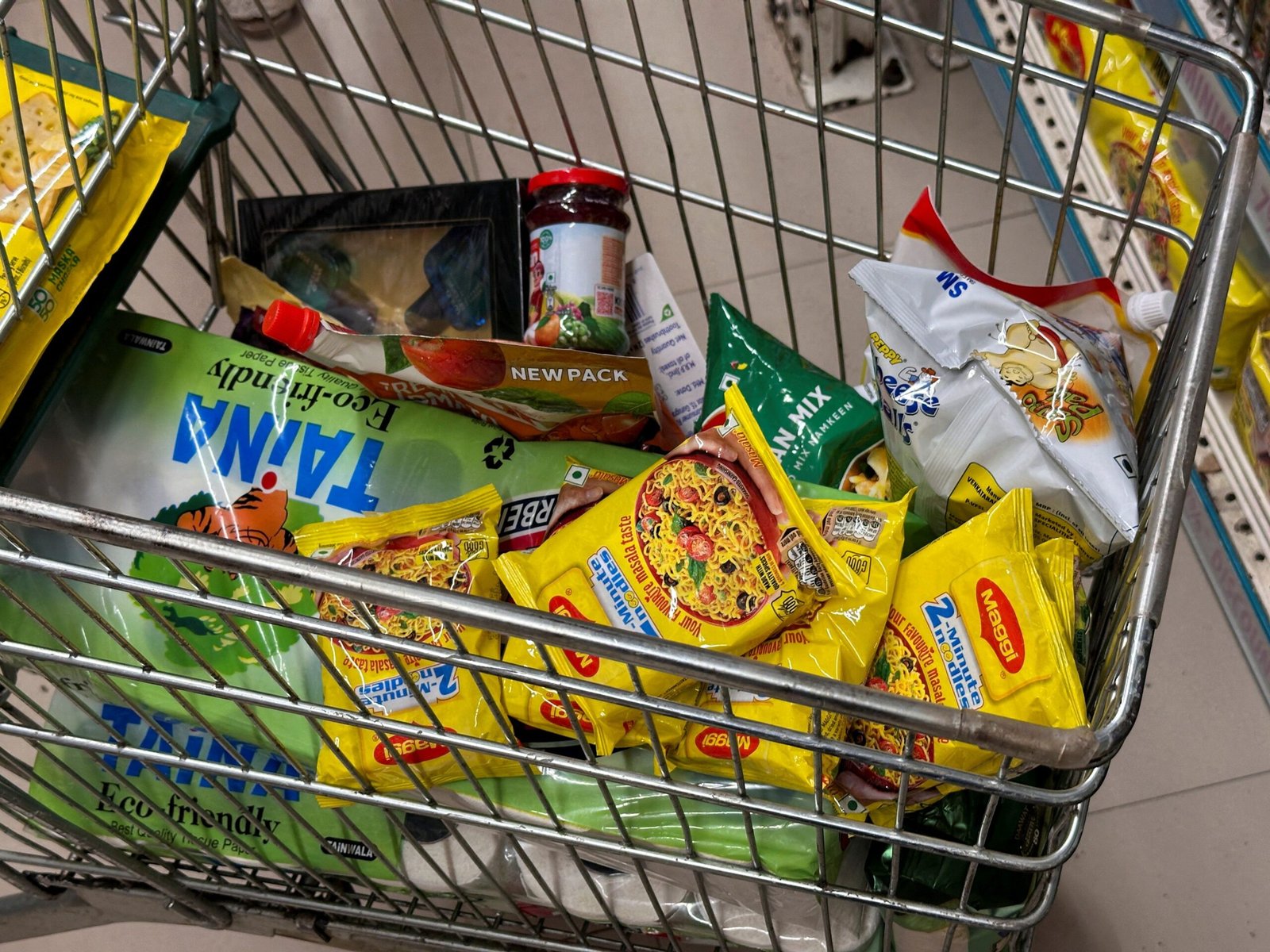
The food and beverage landscape in India is currently one of the most dynamic in the world, attracting heavy investment from global giants including Nestle, Unilever, Mondelez, and Mars. These foreign players operate alongside established domestic conglomerates, all competing for the attention of a burgeoning middle-class consumer base.
For these companies, the new mandate poses a logistical and marketing challenge. While many of these same corporations have already adopted similar warning regimes in European markets—where transparent labeling is the norm—the implementation in India is expected to be more disruptive due to the scale and variety of the local packaged food market.
Industry analysts suggest that the “single-nutrient” trigger will force manufacturers to reformulate products to avoid the prominent red warning labels, which could potentially deter price-sensitive consumers. As the FSSAI moves toward finalizing these rules, the focus now shifts to the implementation timeline and how quickly the retail market can transition to the new labels.
The move is being hailed by nutritionists as a long-overdue step toward empowering Indian consumers. By standardizing the warning system, the government is signaling that public health metrics will take precedence over the marketing strategies of the food industry, setting a new benchmark for food safety regulations in South Asia.
Disclaimer: This content is auto-generated for informational purposes only.
Source: Read Original News