




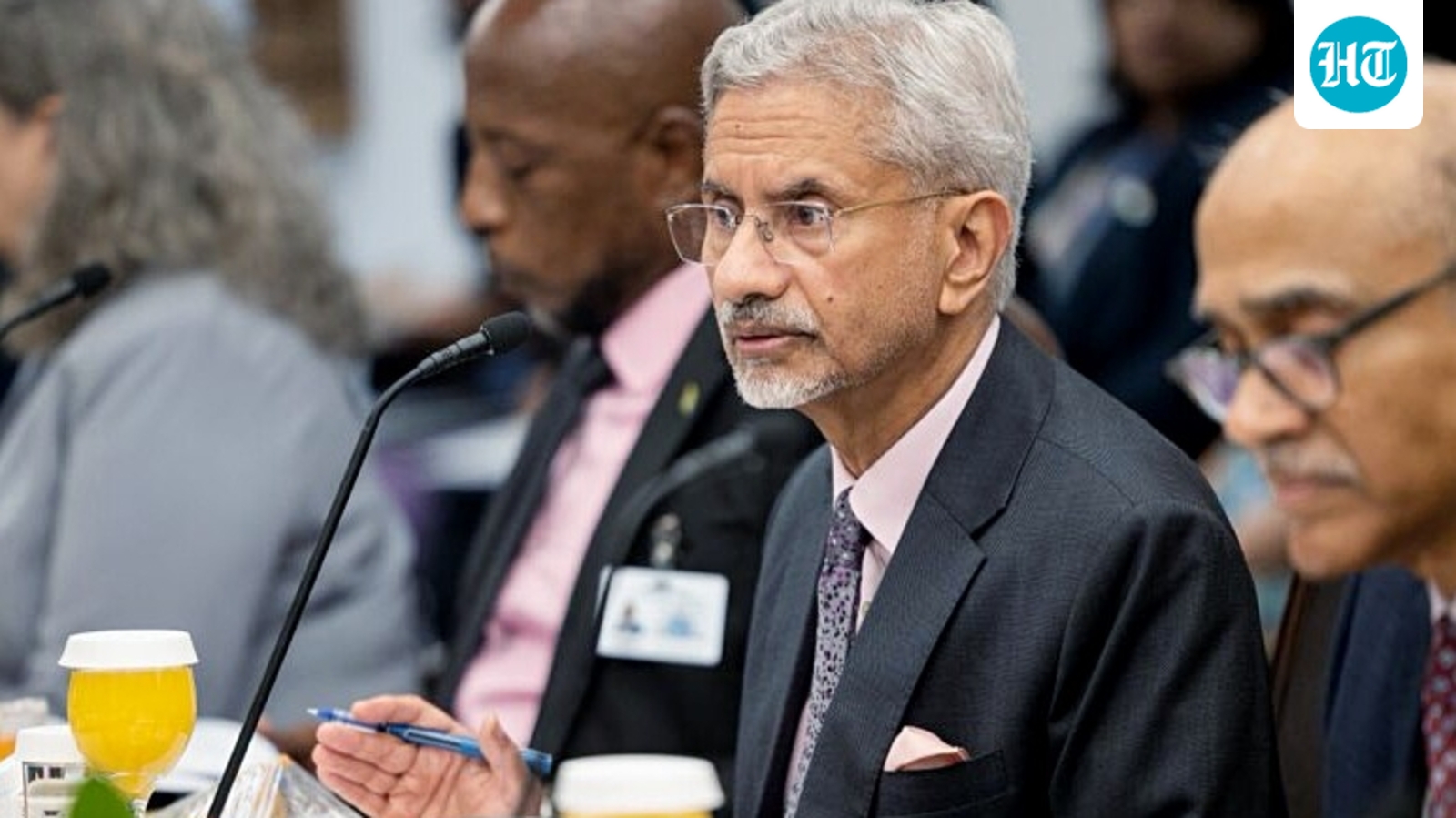
UNSC Reform Indispensable for Global South: S Jaishankar Calls for Urgent Overhaul at UNGA
NEW YORK: External Affairs Minister S Jaishankar has sounded a clarion call for the immediate restructuring of the United Nations Security Council (UNSC), asserting that the current geopolitical gridlock has left the Global South disproportionately vulnerable to the world’s most volatile challenges. Speaking at the 81st session of the United Nations General Assembly (UNGA) in New York, the minister underscored that the persistent failure of the Security Council to mitigate ongoing global conflicts is no longer just a diplomatic frustration—it is an existential risk to international peace.
Jaishankar made these remarks while co-chairing a high-level consultative ministerial interaction of the L.69 group alongside the Foreign Minister of Saint Lucia, Alva Baptiste. The L.69 group, a coalition of developing nations from Africa, Latin America, and the Asia-Pacific, has long advocated for a more representative and effective global security architecture.
Addressing the Global South’s Crisis
Highlighting the precarious position of developing nations, the External Affairs Minister noted that countries in the Global South are currently at the “receiving end” of unprecedented systemic changes sweeping across the globe. From economic instability to the fallout of regional conflicts, these nations bear the brunt of crises they did not cause, yet they remain systematically sidelined in the decision-making processes that dictate global security policies.
“The inability of the UN Security Council to address ongoing conflicts and threats to international peace and security only highlights the urgency of reform,” Jaishankar stated in a post following the interaction. For India, the message is clear: the status quo within the UN’s most powerful organ is not only ineffective but serves to perpetuate a “historical injustice” against the vast majority of the world’s population.
Building a United Front for Change
The meeting served as a rallying point for the L.69 group and the Committee of Ten (C-10) of the African Union to consolidate their position on the necessity of comprehensive reform. By joining forces, these blocs aim to apply sustained pressure on the UN leadership to move beyond stagnant debates and toward concrete structural changes.
The minister emphasized that the participation of “directly impacted stakeholders” is essential if the UN is to regain its relevance in a multipolar world. India has consistently argued that a Security Council that does not reflect the realities of the 21st century—specifically by excluding the voices of major developing economies—lacks the moral and operational authority to preside over global affairs.
A Legacy of Inaction
During his ongoing visit to New York, Jaishankar has engaged in a series of high-level diplomatic dialogues, including discussions on the sidelines of the UNGA regarding trade, sanctions, and emerging technologies. However, the push for UNSC reform remains a cornerstone of India’s agenda this year.
New Delhi’s position is that the prolonged delay in the reform process has allowed global governance to drift into a state of paralysis, where the veto power held by permanent members frequently renders the Council impotent in the face of humanitarian crises. As the Indian delegation continues its diplomatic efforts at the 81st UNGA, the demand for a more democratic, representative, and agile Security Council stands as a central pillar of India’s commitment to multilateralism and the protection of the interests of the Global South.
Disclaimer: This content is auto-generated for informational purposes only.
Source: Read Original News