







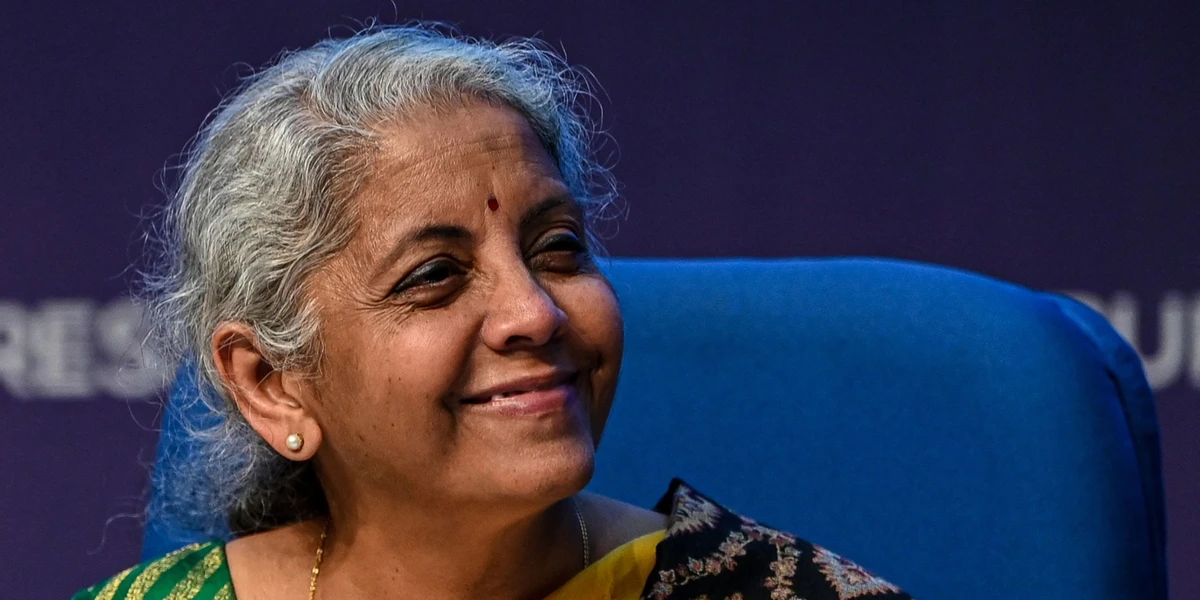
India Champions New BRICS Working Group to Reform International Tax Standards
New Delhi: Finance Minister Nirmala Sitharaman has called for a unified approach among BRICS nations to tackle the evolving complexities of global taxation, announcing the formation of a dedicated working group focused on international tax policy and transfer pricing. Speaking at a high-level meeting of tax officials in the national capital, Sitharaman emphasized that the platform will serve as a vital mechanism for member states to exchange expertise and align their strategies as international regulations undergo a historic transformation.
The initiative, which comes on the heels of the recent BRICS summit, aims to consolidate the voices of emerging economies in global forums. With China set to assume the BRICS chair in the upcoming cycle, India is keen to solidify a framework that ensures the economic interests of developing nations are prioritized during the ongoing negotiations on global tax architecture.
Addressing the Burden of Transfer Pricing Disputes
A central theme of the Minister’s address was the disproportionate administrative and financial burden that transfer pricing disputes place on developing economies. Transfer pricing—the mechanism by which multinational corporations value transactions between their various global affiliates—has become a significant point of contention. Sitharaman noted that these disputes often involve intricate valuation processes that overwhelm the resources of tax administrations in developing nations.
“The complexities surrounding the valuation of affiliate transactions present a formidable challenge,” Sitharaman told the assembled tax delegates. “For administrations in developing countries, the cost of resolving these disputes is disproportionately high, often diverting critical resources away from broader economic development goals.”
By establishing a specialized working group, the BRICS bloc intends to foster a collaborative environment where member nations—including Brazil, Russia, India, China, and South Africa—can share best practices. The goal is to develop more efficient, transparent, and equitable methods for assessing cross-border transactions, thereby reducing litigation and providing greater tax certainty for businesses operating within these jurisdictions.
Strengthening the Global South’s Tax Stance
The move signifies India’s growing influence in shaping the global economic agenda. As the international community moves toward a two-pillar solution for global tax reforms—aimed at addressing the tax challenges arising from the digitalization of the economy—BRICS nations are increasingly seeking to harmonize their domestic policies to avoid being marginalized in global rule-making.
India has consistently advocated for a more inclusive international tax system that recognizes the contribution of market jurisdictions. By leveraging the collective expertise of the BRICS grouping, New Delhi aims to ensure that the Global South has a greater say in how multinational enterprises are taxed, particularly in an era where digital presence is decoupled from physical footprint.
“This working group is not merely about procedural adjustments; it is about building a robust, cooperative ecosystem that can adapt to the rapid shifts in international finance,” a finance ministry official noted following the meeting.
As the BRICS nations prepare for the leadership transition to China, the progress made by this working group will be closely monitored by global financial institutions. If successful, the collaboration could serve as a template for other regional blocs, potentially forcing a more favorable balance in the global tax landscape for nations that have historically been price-takers in international policy discussions.
Disclaimer: This content is auto-generated for informational purposes only.
Source: Read Original News